

Why Do My Gums Bleed When I Floss? A Complete Guide to Healthy Gums

This article is for informational purposes only and is not a substitute for professional dental advice. Please consult your dentist about any concerns regarding your gum health.
Noticing blood on your floss or in the sink can be alarming, especially if it happens more than once. The good news is that bleeding gums are common, and in most cases, the cause is easy to identify and even easier to fix. Understanding why your gums bleed when you floss is the first step toward building a healthier, more comfortable flossing routine.
This guide walks through the most common reasons gums bleed during flossing, when the bleeding might point to something more serious, and what you can do at home and at the dentist's office to get your gums back to a healthy, pink baseline.
Common Causes of Bleeding Gums When Flossing
Starting or Restarting a Flossing Routine
If you've recently started flossing daily after a period of inconsistency, some bleeding in the first week or two is expected. Gum tissue that hasn't been disturbed regularly tends to be more sensitive and prone to bleeding until it adjusts to the new routine.
During this adjustment period, continue flossing rather than stopping. Skipping flossing because your gums bled once allows plaque to keep building along the gumline, which delays healing. Most people notice the bleeding decreases significantly within one to two weeks of consistent flossing.
Flossing Technique
How you floss matters just as much as whether you floss. Snapping the floss down between teeth, sawing aggressively, or forcing the floss into tight spaces can cut or bruise delicate gum tissue.
The better approach is to guide the floss gently between teeth using a back-and-forth motion, then curve it into a "C" shape against the side of each tooth as it slides beneath the gumline. This lets you clean the area thoroughly without traumatizing the tissue.
Plaque Buildup and Gingivitis
The most frequent underlying cause of bleeding gums is plaque, the soft, sticky film of bacteria that forms on teeth throughout the day. When plaque isn't removed consistently through brushing and flossing, it irritates the gumline and can lead to gingivitis, the earliest and most reversible stage of gum disease.
Gingivitis typically shows up as gums that are red, puffy, tender, or prone to bleeding, particularly around the areas where plaque tends to collect. This happens because plaque bacteria release toxins that irritate the gum tissue, triggering an inflammatory response. Blood vessels in the gums dilate and become more fragile as part of that response, which is why even light contact from floss or a toothbrush can cause bleeding at this stage.
The encouraging part is that gingivitis usually responds well to improved home care and a professional cleaning, often clearing up within a few weeks once the plaque is under control. Because gingivitis hasn't yet affected the bone or connective tissue anchoring your teeth, it's considered fully reversible with the right care.
Hardened Plaque, or Tartar
When plaque isn't removed, it can harden into tartar (also called calculus) within a matter of days. Unlike plaque, tartar can't be brushed or flossed away at home. It has a rough surface that traps even more bacteria and continues to irritate the gums, which is one reason bleeding can persist even in people who floss regularly.
Removing tartar requires a professional cleaning, which is one of the simplest and most effective ways to stop this pattern of ongoing irritation.
Brushing Habits
A toothbrush with hard bristles, or a brushing technique that relies on heavy pressure, can wear down and irritate gum tissue over time. This irritation can make gums more sensitive and more likely to bleed when you floss, even if flossing itself isn't the direct cause.
Switching to a soft-bristled brush and using gentle, circular motions rather than aggressive back-and-forth scrubbing can make a noticeable difference in how your gums respond to daily care.
Medications and Health Conditions
Certain medications and health conditions can make gums more prone to bleeding, independent of your oral hygiene habits. Blood thinners, for example, reduce the blood's ability to clot, which can make even minor gum irritation more noticeable.
Hormonal changes during pregnancy can also increase blood flow to gum tissue and heighten sensitivity, a phenomenon sometimes referred to as pregnancy gingivitis. Other conditions, including diabetes and certain vitamin deficiencies, particularly vitamin C and vitamin K, can affect gum health and healing as well.
If you're taking new medications or managing a health condition and notice new or worsening gum bleeding, it's worth mentioning to your dentist so your care can be tailored accordingly.
Pregnancy. Rising hormone levels, particularly progesterone, increase blood flow to gum tissue and can make gums more reactive to plaque than usual. Pregnancy gingivitis is common and typically improves after delivery, though maintaining consistent oral hygiene and keeping up with cleanings during pregnancy helps keep it manageable in the meantime.
Diabetes. Blood sugar levels that run high for extended periods can affect the body's ability to fight infection and heal tissue, including gum tissue. This makes people with diabetes more susceptible to gum disease, and the relationship works both ways, since untreated gum disease can also make blood sugar more difficult to control. Close coordination between dental and medical care is especially valuable for managing this.
Older adults. Gum tissue can become more susceptible to recession and sensitivity with age, and many older adults also take medications, such as blood pressure medications or blood thinners, that can influence gum bleeding. Regular dental checkups become even more valuable during this stage of life to monitor changes early.
Orthodontic patients. Braces and clear aligners create more surfaces and tighter spaces for plaque to collect, which can make gums more prone to inflammation and bleeding during treatment. Extra attention to flossing technique, sometimes with the help of floss threaders or interdental brushes, can help keep gum tissue healthy throughout orthodontic treatment.
Ill-Fitting Dental Work
Fillings, crowns, or other restorations that don't fit quite right can create small ledges or gaps where plaque accumulates more easily. This localized irritation can lead to bleeding that's isolated to one or two specific teeth rather than spread across the whole mouth.
If bleeding seems to consistently come from the same spot near a filling or crown, it's worth having that area evaluated.
When Bleeding Gums Signal Something More Serious
Occasional, mild bleeding that improves with better home care is usually not a cause for alarm. However, bleeding that is persistent, heavy, or accompanied by other symptoms can indicate a more advanced form of gum disease called periodontitis.
Periodontitis develops when gingivitis is left untreated and the infection spreads below the gumline, eventually affecting the bone and connective tissue that support your teeth. Unlike gingivitis, the damage caused by periodontitis is not fully reversible, which is why catching it early matters.
Signs that your bleeding gums may need professional attention include:
Bleeding that happens every time you brush or floss, not just occasionally
Gums that are noticeably red, swollen, or tender to the touch
Gums that appear to be pulling away from your teeth, making teeth look longer
Persistent bad breath or a bad taste that doesn't go away
Teeth that feel loose or have shifted position
Pain when chewing
If any of these apply to you, it's a good time to schedule an evaluation rather than waiting to see if things improve on their own. A comprehensive periodontal exam can determine exactly what's happening beneath the surface and what level of care is needed to restore healthy gum tissue.
How to Stop Your Gums From Bleeding
For most people, a combination of consistent home care and one or two adjustments is enough to reduce or eliminate bleeding gums. Here's where to start:
Floss once a day, every day. Consistency matters more than perfection. Gentle, daily flossing is more effective at preventing bleeding than occasional, aggressive flossing.
Use proper technique. Curve the floss into a C-shape against each tooth and slide it gently beneath the gumline rather than snapping it into place.
Switch to a soft-bristled toothbrush. Pair it with gentle, circular brushing motions rather than heavy back-and-forth pressure.
Brush twice daily with fluoride toothpaste. This helps control the plaque that contributes to gum irritation in the first place.
Consider an antimicrobial or therapeutic mouthwash. Some rinses are specifically formulated to reduce the bacteria associated with gum inflammation. Ask your dentist which option makes sense for you.
Support gum health through diet. Foods rich in vitamin C, such as citrus fruits and leafy greens, support healthy connective tissue, while calcium-rich foods support the bone structures around your teeth.
Stay hydrated. Saliva plays a natural role in washing away food particles and bacteria throughout the day.
Avoid tobacco products. Smoking and vaping are both linked to a higher risk of gum disease and can mask early warning signs like bleeding, making the condition harder to catch early.
Keep up with regular dental visits. Routine cleanings remove tartar that home care can't reach and give your dental team a chance to catch small issues before they become bigger ones.


At Kirkwood Family Dental, we love to bring smiles back to life. Check out more before and after photos of smile makeovers and contact us today learn more about how we can help you improve or maintain your dental health.
Choosing the Right Tools for Gum-Friendly Care
Not all oral care products are created equal when it comes to gum health, and a few small swaps can make a meaningful difference.
Floss type. Waxed floss tends to glide more easily between tight contacts and is less likely to shred or snap, which reduces trauma to the gum tissue. Floss picks can be a helpful option for reaching back teeth, though traditional floss generally allows for better control around the gumline. Water flossers are another option worth considering, particularly for people who find traditional floss difficult to use consistently, since they can flush out debris along the gumline with a gentle stream of water.
Toothbrush bristles. Soft or extra-soft bristles are gentler on inflamed gum tissue than medium or hard bristles. Many people assume firmer bristles clean better, but the opposite is often true, since aggressive brushing can wear down gum tissue over time without necessarily removing more plaque.
Mouth rinses. Antimicrobial rinses can help reduce the bacteria that contribute to gum inflammation, while therapeutic rinses formulated for gum health may help reduce bleeding and swelling over time. Alcohol-based rinses can be drying and irritating for some people, so a gentler, alcohol-free formula is often a better fit for sensitive gum tissue.
Your dentist can offer specific product recommendations based on what's driving your bleeding, since the right combination of tools varies from person to person.

Ready to learn about a bleeding gums?
Schedule an appointment today to learn how we can help improve the overall health and appearance of your smile.
What to Expect at a Dental Visit for Bleeding Gums
If your gums continue to bleed despite consistent home care, a dental visit can help pinpoint the cause and determine the right treatment. A typical evaluation for bleeding gums usually includes a few key steps.
Your dental team will examine your gums for signs of inflammation, measure the depth of the space between your teeth and gums (called periodontal pocketing), and check for any areas of recession or bone loss, often with the help of dental X-rays. This provides the information needed to determine whether you're dealing with early gingivitis or something more advanced.
From there, treatment depends on what's found. Many people simply need a standard professional cleaning to remove plaque and tartar buildup. If pocketing or bone loss is present, a deeper cleaning known as scaling and root planing may be recommended to clean below the gumline and smooth the tooth root, helping gum tissue reattach more securely.
Kirkwood Family Dental offers periodontal therapy alongside routine cleanings and exams, so if a checkup reveals early signs of gum disease, the appropriate next step can typically be addressed without needing a separate referral.
Your dentist may also review your home care routine with you, suggest specific products, or ask about medications and health history that could be contributing to the bleeding.
Follow-up care depends on what stage of gum disease, if any, is present. For gingivitis, a single cleaning paired with improved home habits is often enough to resolve the issue, though your dentist may suggest a shorter interval before your next visit to confirm the tissue has healed. For more advanced cases involving pocketing or bone loss, your dental team may recommend more frequent periodontal maintenance visits, typically every three to four months, to keep the condition stable and prevent further progression.
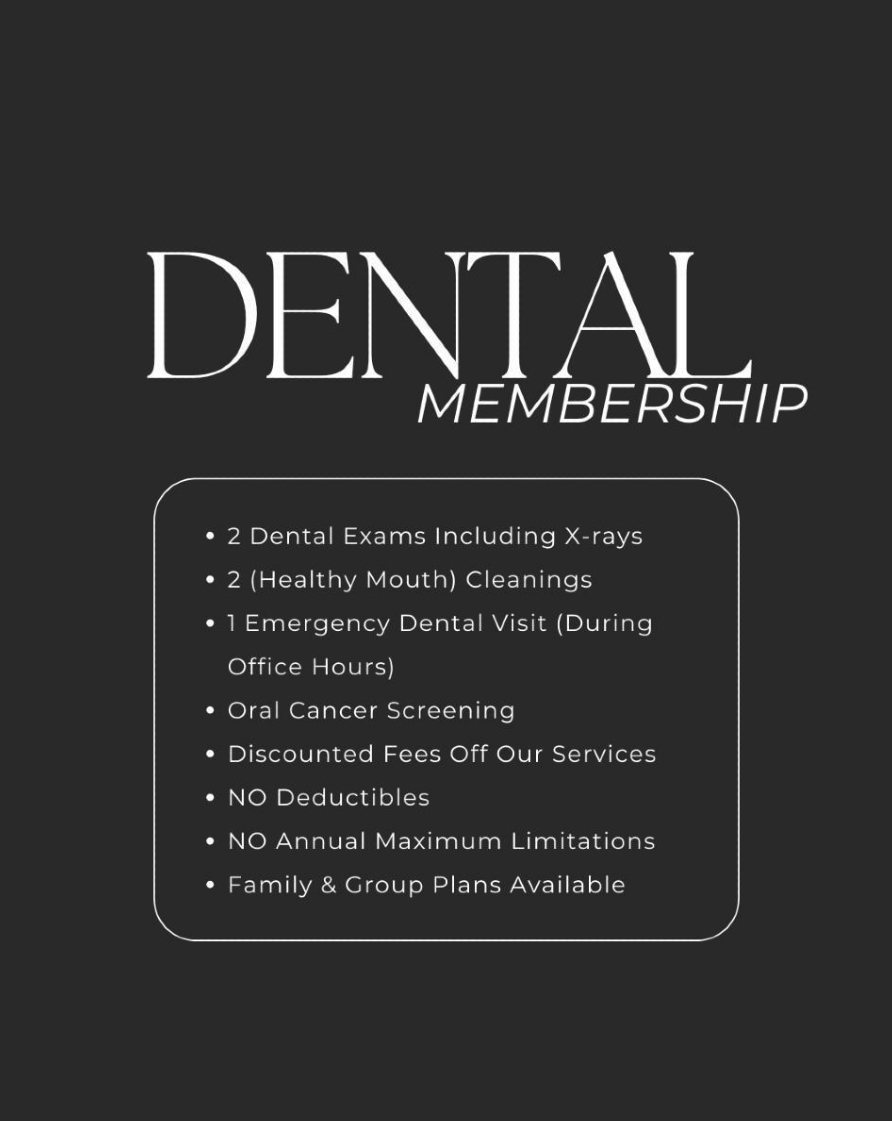
Looking for affordable dental plans in St. Louis?
We are excited to offer a membership plan for those patients who want to make Kirkwood Family Dental their home for dental care.
Prevention: Building a Gum-Healthy Routine
Long-term gum health comes down to a handful of consistent habits rather than any single fix. A solid daily routine includes brushing twice a day for two minutes with a soft-bristled brush, flossing once a day using gentle technique, and rinsing with a mouthwash if recommended by your dentist.
Beyond the daily basics, scheduling a dental cleaning and exam every six months allows your dental team to remove tartar you can't reach at home and catch early changes in your gum tissue before they progress. Staying mindful of diet, avoiding tobacco, and managing health conditions like diabetes with your physician's guidance all play supporting roles in keeping your gums resilient.
Building these habits into a routine, rather than treating them as occasional efforts, is what keeps bleeding gums from becoming a recurring problem.


At Kirkwood Family Dental, our expert team uses the latest techniques to transform your smile. See more before and after photos of smile makeovers. Contact us today to learn how we can help you experience a transformation firsthand.

Ready to learn about bleeding gums?
Contact our office today to schedule a no-pressure exam. We can’t wait to meet you!

FAQs about bleeding gums
Is it normal for my gums to bleed a little when I start flossing again after a break?
Yes. Gum tissue that hasn't been flossed regularly is often more sensitive, and mild bleeding for the first week or two of a renewed routine is common. It typically improves as you stay consistent.
Should I stop flossing if my gums bleed?
No. Stopping allows plaque to continue building up, which can make bleeding worse over time. Continue flossing gently and consistently, and the bleeding should improve within a couple of weeks. If it doesn't, schedule a checkup.
Can stress cause bleeding gums?
Stress itself doesn't directly cause bleeding gums, but it can affect immune function and sometimes leads to habits, like teeth grinding or neglecting oral hygiene, that indirectly contribute to gum irritation.
How long does it take for bleeding gums to heal?
With consistent brushing, flossing, and professional cleanings, gingivitis-related bleeding often improves within one to two weeks. More advanced gum disease may take longer and typically requires professional treatment.
What toothpaste is best for bleeding gums?
A fluoride toothpaste designed for sensitive or bleeding gums can help, but toothpaste alone won't resolve the underlying cause. Pairing it with proper brushing and flossing technique, along with professional cleanings as needed, makes the biggest difference.
When should I see a dentist about bleeding gums?
If bleeding persists for more than two weeks despite consistent home care, happens every time you brush or floss, or is accompanied by swelling, bad breath, or loose teeth, it's time to schedule an evaluation.
Can children's gums bleed from flossing too?
Yes, and the same principles apply. Bleeding in children is often related to inconsistent flossing habits or technique, though it's still worth mentioning to your dentist, especially if it persists.
Does bleeding gums mean I have bad breath too?
Not always, but the two are often connected. The same plaque buildup and bacteria that irritate gum tissue and cause bleeding can also produce sulfur compounds that lead to persistent bad breath. Addressing the underlying plaque buildup often improves both issues at once.
Bleeding gums are common, but they're also one of the easiest early warning signs to act on. A little extra attention to technique, a few adjustments to your daily routine, and consistent professional cleanings go a long way toward keeping your gums healthy for the long term.

Work with the best dentists in St. Louis
Contact us today to schedule a comprehensive dental exam. We can’t wait to meet you!
Disclaimer
This article is for informational and educational purposes only and should not be considered a substitute for professional dental advice, diagnosis, or treatment. Every individual's oral health needs are different, and the causes of bleeding gums can vary based on personal health history, medications, and other factors not addressed in this general overview. Always consult with a qualified dental professional regarding any concerns about your gum health or before starting any new oral care routine. If you are experiencing persistent or severe bleeding, swelling, or pain, please contact a dental office promptly for an evaluation.
