

How Often Should You Brush Your Teeth? A Complete Guide

This article is for informational purposes only and is not a substitute for professional dental advice. Please consult your dentist for guidance specific to your oral health needs.
Most of us learned the same rule as kids: brush your teeth twice a day. It is simple, it is repeated constantly, and it is easy to follow without giving it much thought. But is twice a day actually the right number for everyone? And does brushing more often automatically mean a healthier mouth? The answer is more nuanced than a single number, and understanding the reasoning behind brushing frequency can help you build a routine that actually protects your teeth and gums.
This guide walks through what brushing accomplishes, how often you should be doing it, when your personal circumstances might call for adjustments, and why technique often matters just as much as frequency.
What Brushing Actually Does for Your Teeth
Before getting into frequency, it helps to understand what brushing is actually accomplishing. Throughout the day, a thin layer of bacteria called plaque forms on your teeth. Plaque develops constantly, even after a meal as small as a snack or a cup of coffee. Left alone, the bacteria in plaque feed on sugars and starches from food and produce acids as a byproduct. Those acids attack tooth enamel, the hard outer layer that protects the sensitive parts of your teeth underneath.
If plaque is not removed regularly, it can harden into tartar, a mineralized deposit that can no longer be brushed away and requires professional removal. Plaque buildup along the gumline also irritates gum tissue, which can lead to inflammation and, over time, gum disease. Brushing physically removes plaque before it has the chance to harden or cause damage, which is why consistency matters more than almost any other factor in oral health.
Brushing also removes food particles that get trapped between teeth and along the gumline. These particles feed the same bacteria responsible for plaque and bad breath, so clearing them away serves a dual purpose of protecting your teeth and keeping your breath fresh.
The Twice-Daily Standard
The American Dental Association recommends brushing your teeth twice a day with fluoride toothpaste, for at least two minutes each session. This recommendation is not arbitrary. Each of the two sessions serves a distinct purpose.
Brushing in the morning removes the bacteria that accumulate overnight. Saliva production slows down significantly while you sleep, and saliva plays an important role in washing away bacteria and neutralizing acids throughout the day. With less saliva circulating overnight, bacteria have more opportunity to multiply, which is part of why your mouth can feel less fresh first thing in the morning.
Brushing before bed removes the plaque, food particles, and bacteria that built up throughout the day. Skipping this step allows all of that material to sit on your teeth overnight, right when your mouth's natural defenses are at their lowest. This is often considered the single most important brushing session of the day.
Fluoride toothpaste adds another layer of protection during both sessions. Fluoride strengthens tooth enamel and helps make it more resistant to the acids produced by plaque bacteria, which is why the ADA specifically recommends fluoride formulations rather than just any toothpaste.
When You Might Need to Adjust Your Brushing Frequency
While twice a day is the standard baseline, certain circumstances call for more frequent brushing, and it helps to know what those are.
Orthodontic appliances. If you wear braces or another type of orthodontic appliance, food particles can easily become trapped around brackets and wires. Brushing after each meal is often recommended in these cases, since plaque can build up quickly in areas a toothbrush cannot always reach effectively.
Gum disease or a history of cavities. People managing gum disease, or who are more prone to cavities, may benefit from brushing more frequently or paying closer attention to specific areas of concern. This is a conversation worth having directly with your dental team, since the right approach depends on your individual situation.
Dry mouth. Reduced saliva production, whether from certain medications, medical conditions, or other factors, means less natural protection against bacteria throughout the day. This can make more frequent brushing, along with other dry mouth management strategies, particularly helpful.
After sugary foods or drinks. When you consume something high in sugar, the bacteria in plaque feed on it and produce acid more rapidly than usual. Brushing after these moments, when practical, can help minimize the extra acid exposure.
On the other hand, there is no evidence that brushing far more than twice a day provides meaningful additional protection for most people. A thorough, well-executed brushing session removes the vast majority of plaque that has accumulated. Brushing significantly more than the recommended amount, especially with a heavy hand or a hard-bristled brush, can actually do more harm than good by wearing down enamel and irritating gum tissue over time.
Timing Matters: Before or After Eating
One detail that often gets overlooked is the relationship between eating and the right time to brush. It is not just about how often you brush, but when.
After eating something acidic, such as citrus fruits, soda, or sports drinks, it is best to wait before brushing. Acidic foods and drinks temporarily soften tooth enamel, and brushing immediately afterward can actually help scrub away that softened layer rather than protecting it. Waiting around 30 minutes gives your saliva time to neutralize the acid and allows your enamel to re-harden before you brush.
Sugary foods work differently. Since the concern there is bacterial acid production rather than the food's own acidity, brushing sooner after sugary meals or snacks, when practical, helps limit the window bacteria have to feed and multiply.
If you are ever unsure whether to brush right away, rinsing your mouth with water is a safe middle step. It helps clear away food particles and dilute acids without the abrasive action of brushing on softened enamel.
Technique Matters as Much as Frequency
Brushing the recommended number of times a day will not do much good if the technique behind it is not effective. A few fundamentals make a meaningful difference in how much plaque actually gets removed.
Duration. Each brushing session should last at least two minutes. Many people brush for far less time than they realize, often closer to 30 or 45 seconds. Using a timer, or an electric toothbrush with a built-in timer, can help ensure you are giving your teeth the full time they need.
Coverage. Divide your mouth into sections and spend equal time on each one. It is easy to unconsciously favor one side of your mouth or skip harder-to-reach areas like the back molars or the inner surfaces of your teeth.
Angle and pressure. Hold your toothbrush at roughly a 45-degree angle toward the gumline and use short, gentle strokes. Brushing too hard, or using a hard-bristled brush, can wear down enamel and cause gum recession over time. A soft-bristled brush paired with gentle pressure is more effective and far less damaging.
Don't forget your tongue. Bacteria collect on the surface of your tongue just as they do on your teeth, and this buildup contributes to bad breath. A few gentle strokes over your tongue as part of your regular routine helps address this.
Hello, World!


At Kirkwood Family Dental, we love to bring smiles back to life. Check out more before and after photos of smile makeovers and contact us today learn more about how we can help you improve or maintain your dental health.
Signs You Might Be Brushing Too Hard or Too Often
While under-brushing is the more common issue, it is possible to overdo it in a way that causes its own set of problems. Watch for these signs:
Increased tooth sensitivity to hot, cold, or sweet foods
Gums that appear to be pulling away from the teeth, sometimes called gum recession
Visible wear or thinning near the gumline
A toothbrush that wears out unusually fast, with bristles splaying outward within just a few weeks
If any of these sound familiar, it is worth switching to a soft-bristled brush, adjusting your pressure, and mentioning it at your next dental visit.
Toothbrush Care and Replacement
Your toothbrush itself plays a role in how effective your brushing routine is, and it needs regular attention too. Replace your toothbrush, or the head of an electric toothbrush, roughly every three to four months. If the bristles start to look frayed, bent, or splayed before that point, replace it sooner, since worn bristles are much less effective at removing plaque.
Both manual and electric toothbrushes can be effective when used correctly. Electric toothbrushes often make it easier to maintain consistent pressure and timing, particularly for people who tend to brush too hard or too quickly, but a manual toothbrush used with good technique works just as well for most people.
Brushing Frequency for Children and Teens
Brushing guidance shifts somewhat as children grow, since their teeth, habits, and level of independence change at different stages.
Before the first tooth appears. Even before teeth erupt, gently wiping an infant's gums with a soft, damp cloth after feedings helps establish healthy habits early and can reduce the bacteria present in the mouth.
Once teeth appear. As soon as the first tooth erupts, brushing twice a day becomes appropriate, using a smear of fluoride toothpaste about the size of a grain of rice for children under three. A soft-bristled, child-sized toothbrush is important at this stage, since young gum tissue is especially sensitive.
Ages three to six. Children in this range typically need a pea-sized amount of fluoride toothpaste and should still brush twice daily. Most children this age do not yet have the fine motor skills to brush thoroughly on their own, so parental supervision or hands-on assistance is usually necessary to make sure all surfaces are actually being cleaned.
Ages six and up. As children develop better coordination, they can typically handle more of their own brushing, though checking in periodically to confirm technique and duration is still worthwhile. This is also the age when permanent molars begin coming in, and those new teeth benefit from extra attention since their deep grooves can trap food and plaque.
Teenagers. Teens generally follow the same twice-daily guidance as adults, though those with braces often need to brush after meals to keep food from accumulating around brackets and wires. Teenagers are also more likely to consume sugary or acidic snacks and drinks throughout the day, which makes consistent brushing and mindful timing especially relevant during these years.
Across every age group, the twice-daily foundation stays the same. What changes is the amount of toothpaste, the level of supervision needed, and the specific challenges that come with each stage of dental development.
Ready to learn more about your teeth?
Schedule an appointment today to learn how we can help improve the overall health and appearance of your smile.
Common Questions About Brushing Habits
A few habits and misconceptions come up often enough that they are worth addressing directly.
Brushing right after every meal is not necessary for most people. While it might seem like the safest approach, brushing after every single meal or snack throughout the day is not required for most people and, depending on what was eaten, can sometimes do more harm than good if it involves brushing over softened enamel. Twice a day, timed thoughtfully around meals, is generally sufficient.
A harder toothbrush is not a more effective one. It is a common assumption that firmer bristles clean better, but the opposite is usually true. Soft bristles are flexible enough to reach along and slightly under the gumline without causing the kind of abrasive damage that stiffer bristles can cause over months and years of use.
Whitening toothpaste is not a substitute for regular fluoride toothpaste. Some whitening formulations contain mild abrasives designed to polish away surface stains. These can be used as part of a routine, but they should not replace a standard fluoride toothpaste, since fluoride is what actively protects enamel against decay.
Mouthwash does not replace brushing. Rinsing with mouthwash can reduce bacteria and freshen breath, and it is a helpful addition to a routine, but it does not physically remove plaque the way brushing does. The two serve different purposes and work best together rather than as substitutes for one another.
Building a Routine That Works for Your Family
Every person's mouth is a little different, and the right brushing routine can vary based on your history, your habits, and any specific concerns you are managing. At Kirkwood Family Dental, we spend time getting to know each patient's individual needs so we can offer guidance that actually fits their day-to-day life, rather than a one-size-fits-all recommendation. If you have questions about your own brushing routine, or your child's, bringing them up at your next visit is a great place to start.
Why Consistent Brushing Matters Beyond Your Mouth
The benefits of a consistent brushing routine extend past cavity prevention and fresh breath. Research has pointed to connections between oral health and several aspects of overall wellness, which gives the twice-daily habit even more weight than it might initially seem to carry.
Gum disease, when left untreated, involves ongoing inflammation, and that inflammation does not always stay contained to the mouth. Researchers have explored links between periodontal disease and conditions such as heart disease, diabetes, and respiratory issues, since the bacteria and inflammatory markers associated with gum disease can circulate more broadly through the body. While brushing alone is not a guarantee against these conditions, it is one of the most accessible, low-cost ways to reduce a meaningful risk factor.
Oral health can also affect nutrition and comfort in day-to-day life. Tooth decay, gum irritation, and sensitivity can make chewing certain foods uncomfortable, which sometimes leads people to avoid foods that are actually good for them, such as fresh fruits, vegetables, or foods that require more chewing. Keeping teeth and gums healthy through consistent brushing helps preserve the ability to eat a varied, balanced diet without discomfort.
There is also a simpler, everyday benefit that is easy to overlook: confidence. A clean, healthy smile affects how comfortable people feel speaking, laughing, and interacting with others. Something as small as a consistent two-minute brushing habit, repeated twice a day, contributes to a level of comfort and confidence that carries through daily interactions.
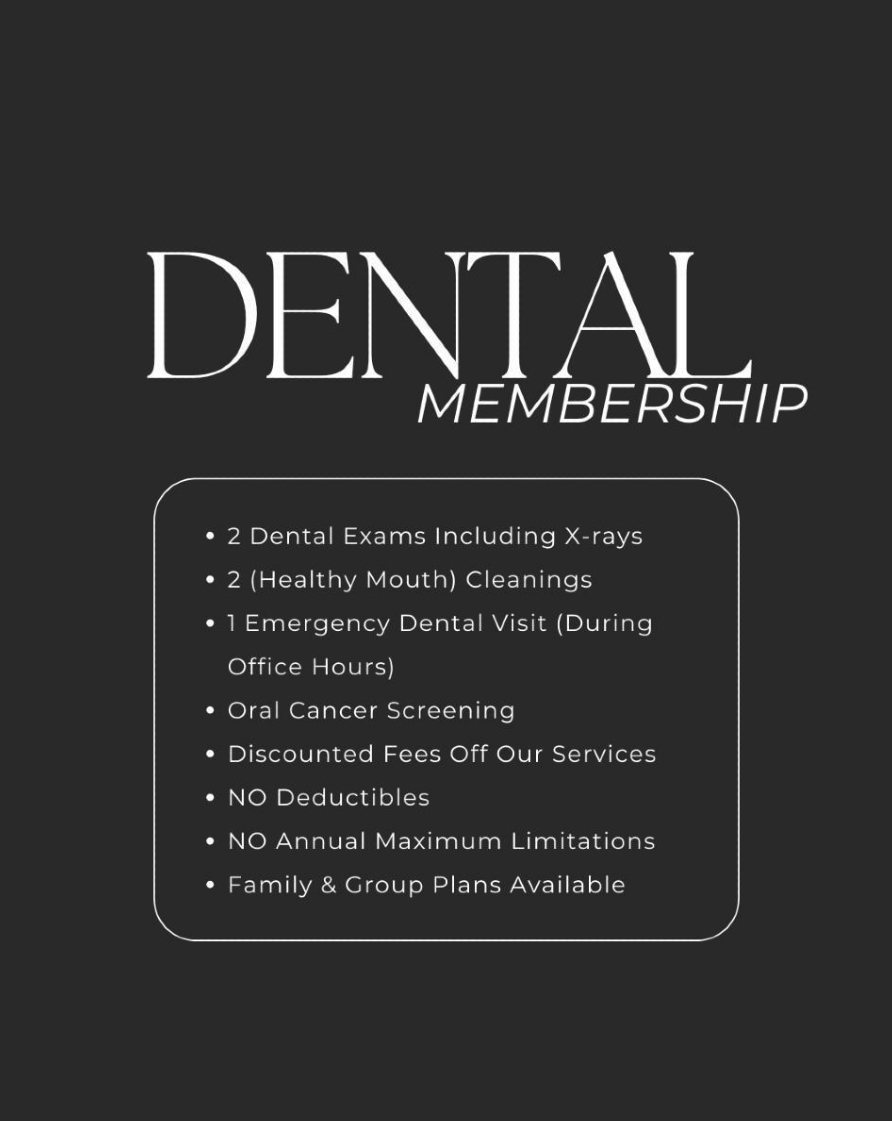
Looking for affordable dental plans in St. Louis?
We are excited to offer a membership plan for those patients who want to make Kirkwood Family Dental their home for dental care.
Pairing Brushing With the Rest of Your Oral Care Routine
Brushing is a central part of oral hygiene, but it works best as part of a broader routine rather than as a standalone habit.
Flossing. Brushing cleans the front, back, and chewing surfaces of your teeth effectively, but it cannot reach the tight spaces between teeth where floss is needed. Flossing once a day helps remove plaque and food particles from these areas before they have a chance to harden into tartar or contribute to gum irritation.
Mouthwash. As mentioned earlier, mouthwash is a helpful addition rather than a substitute. An antimicrobial rinse used after brushing and flossing can reach a few additional areas and reduce the overall bacterial load in your mouth.
Diet. What you eat and drink throughout the day affects how hard your brushing routine has to work. Limiting sugary and highly acidic foods and drinks, and drinking plenty of water, reduces the amount of acid your teeth are exposed to between brushing sessions.
Regular dental visits. Even an excellent at-home routine cannot remove hardened tartar or catch every early warning sign the way a professional cleaning and exam can. Routine visits, typically recommended twice a year for most patients, allow your dental team to monitor your oral health and catch potential issues while they are still minor and easier to address.


At Kirkwood Family Dental, our expert team uses the latest techniques to transform your smile. See more before and after photos of smile makeovers. Contact us today to learn how we can help you experience a transformation firsthand.
Ready to learn about brushing your teeth?
Contact our office today to schedule a no-pressure exam. We can’t wait to meet you!

FAQs about Teeth Brushing
How many times a day should you brush your teeth? Twice a day is the standard recommendation from the American Dental Association, once in the morning and once before bed, using fluoride toothpaste for at least two minutes each time.
Is it bad to brush your teeth more than twice a day?
For most people, brushing a third time, such as after a particularly sugary meal, is not harmful. However, brushing excessively throughout the day, especially with heavy pressure, can wear down enamel and irritate gums over time.
Should you brush your teeth before or after breakfast?
This depends on what you eat. If breakfast includes acidic foods or drinks, wait about 30 minutes after eating before brushing to avoid brushing softened enamel. If you brush before breakfast, it still helps clear overnight bacteria buildup.
How long should you wait to brush after eating?
Around 30 minutes is generally recommended, particularly after acidic foods or drinks, to give your enamel time to re-harden and your saliva time to neutralize acid.
What happens if you only brush once a day?
Brushing only once a day allows plaque and bacteria to accumulate for a longer stretch, increasing the risk of cavities and gum irritation over time. Twice-daily brushing is recommended to keep pace with plaque buildup.
Can you brush your teeth too much?
Yes. Brushing too frequently or too aggressively can wear down enamel and cause gum recession. Twice a day with proper technique is more effective than brushing many times with a heavy hand.
How long should you brush each time?
At least two minutes per session, divided evenly across all areas of your mouth.
How often should you replace your toothbrush?
Every three to four months, or sooner if the bristles look worn, frayed, or bent.
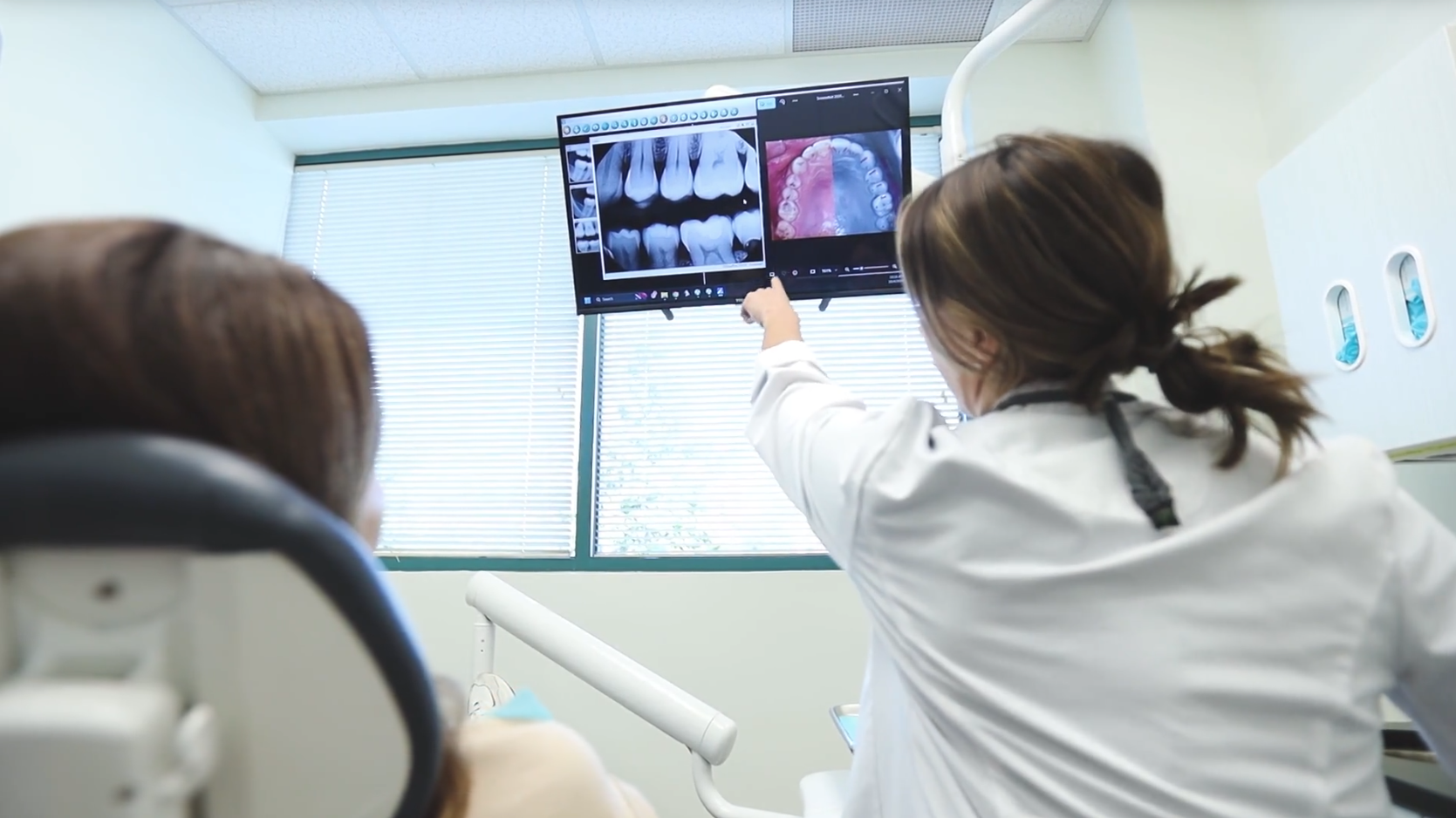
Work with the best dentists in St. Louis
Contact us today to schedule a comprehensive dental exam. We can’t wait to meet you!
Disclaimer
This article is for informational purposes only and should not be considered medical or dental advice. The recommendations discussed may vary based on individual circumstances, oral health history, and specific dental conditions. Always consult with a qualified dental professional for personalized advice regarding your specific oral health needs.
Brushing habits and oral hygiene needs can differ significantly from person to person based on factors including but not limited to existing dental work, medical conditions, medications, and individual risk factors for cavities or gum disease. This information does not replace professional dental consultation, examination, or diagnosis. If you have concerns about your oral health or your brushing routine, please contact a qualified dental professional in your area.
