

Do Veneers Stain? What Actually Happens to Porcelain and Composite Over Time
This article is for general educational purposes and is not a substitute for professional dental advice. See your dentist for guidance specific to your smile.
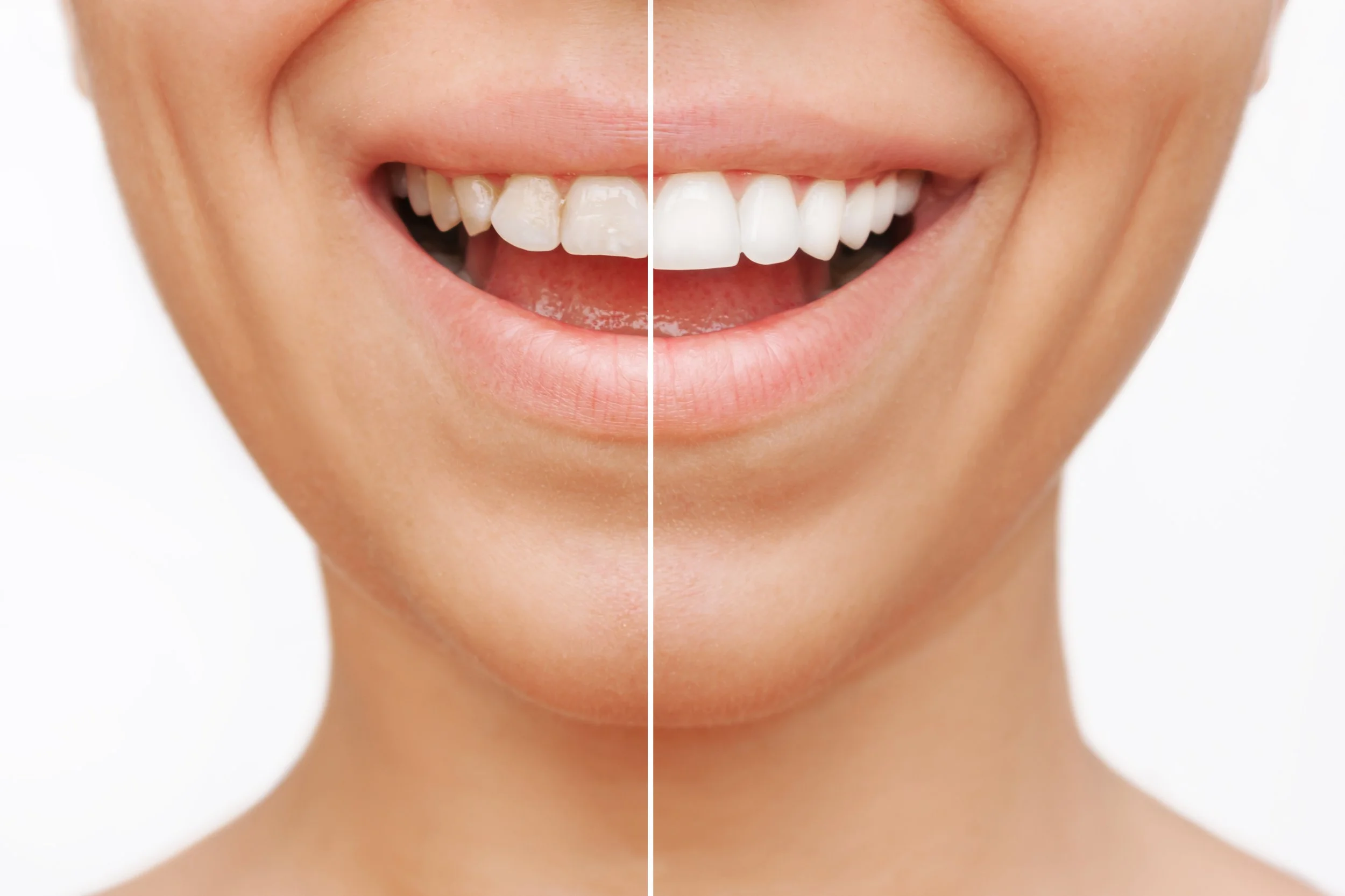
If you're considering veneers, or you already have them, one question tends to come up more than almost any other: do they stain? It's a fair thing to wonder. You're investing in a brighter, more even smile, and the idea of that investment slowly yellowing or dulling is understandably unsettling.
The honest answer is that it depends almost entirely on what your veneers are made of. Porcelain and composite behave very differently when it comes to staining, and understanding that difference can help you set realistic expectations, choose the right material for your goals, and protect your results for years to come.
This guide walks through exactly what happens to veneers over time, what causes discoloration, what doesn't, and how to keep your smile looking the way it did the day you left the dental chair.
The Short Answer: It Depends on the Material
Veneers generally fall into two categories: porcelain/ceramic and composite (bonding) resin. Both are used to reshape and brighten teeth, but they're built differently, and that difference matters a great deal when it comes to staining.
Porcelain veneers are highly resistant to staining. Once placed and properly cared for, they tend to hold their color remarkably well, often for a decade or more.
Composite veneers, while more budget-friendly and quicker to place, are more porous and considerably more prone to picking up stains over time. They may need polishing, touch-ups, or replacement sooner than porcelain to maintain their original brightness.
Neither material is stain-proof forever. But understanding why porcelain performs so differently from composite is the first step to knowing what to expect from your own veneers.
Porcelain vs. Composite: A Quick Comparison
Since the material question comes up so often, it helps to see the two side by side before going deeper into the science behind each one.
Porcelain veneers are fabricated in a dental lab, which typically means two or more appointments before final placement. That extra step allows for a denser, more uniform material with a glazed surface, with glass like smoothness, that resists staining exceptionally well. The trade-off is a higher upfront cost, though many people find the longer lifespan makes the investment worthwhile.
Composite veneers are sculpted directly onto the tooth in a single visit, which makes them faster and generally more affordable. The material bonds well and can look very natural, but its surface is more porous, which is the main reason it's more prone to staining and typically needs more frequent upkeep.
Neither option is universally "better." The right choice depends on your budget, your timeline, and how much long-term maintenance you're comfortable with. A conversation with your dentist about your specific goals is the best way to land on the material that fits your situation.
Why Porcelain Resists Stains So Well
The glazing process is the key. Porcelain is fired at high heat and finished with a ceramic glaze that seals the surface, leaving essentially no microscopic pores or rough spots for pigments to latch onto.
Natural tooth enamel, by comparison, has a slightly porous structure. Over years of coffee, tea, and everyday wear, that porosity is exactly what allows staining compounds to work their way in and gradually dull a tooth's natural color. Porcelain doesn't have that vulnerability in the same way, which is a major reason people choose it for long-term cosmetic results.
This stain resistance isn't just a marketing point. It's a structural property of the material itself, and it holds up well under normal daily habits, including your morning coffee or the occasional glass of red wine, without noticeable discoloration over the years.
That said, "stain-resistant" doesn't mean "indestructible." A glossy porcelain surface can still become dull if it's scratched or if the glaze is compromised, whether through an accident, an unusually aggressive cleaning tool, or wear over a very long period. This is one of many reasons routine professional cleanings matter even after you've had veneers placed.
Why Composite Veneers Are More Vulnerable
That convenience and lower upfront cost come with a trade-off: composite resin is more porous than glazed porcelain, which means staining compounds have an easier time settling into the surface.
Over time, composite veneers can pick up discoloration from the same sources that stain natural teeth, sometimes more readily. The rate varies from person to person depending on diet, oral hygiene habits, and how well the composite was polished during placement, but it's common for composite veneers to need periodic polishing to restore their shine and color.
Unlike porcelain, composite doesn't always respond to polishing indefinitely. At a certain point, especially if staining has become more pronounced, refinishing or full replacement may be the more practical option. Many people find that composite veneers need attention or replacement within five to seven years, whereas porcelain can often go a decade or longer before it needs any real intervention.
None of this makes composite a poor choice. It's often a smart, more affordable option for people who want a smile improvement without a larger financial commitment, and it can be a reasonable stepping stone before deciding on porcelain down the line. It simply requires a bit more ongoing maintenance to stay looking its best.
What Can Still Discolor Around Your Veneers
Here's something that catches a lot of people off guard: even with perfectly stain-resistant porcelain, the teeth around your veneers can still change color.
Veneers typically cover only the front, visible surface of a tooth. The tooth structure underneath, along the gumline, and at the margins where the veneer meets your natural enamel, is still living tooth material that behaves the way any other tooth does. Over the years, that surrounding enamel can gradually darken or yellow from the same everyday factors that affect any natural tooth.
The result, if it happens, isn't the veneer itself staining. It's a color mismatch developing between the veneer and the tissue around it. This tends to happen slowly and is often barely noticeable, but it's worth understanding so you're not caught off guard by a subtle shift in your smile's overall appearance years down the road.
This is also why the shade selected at the time of placement matters so much. A well-planned shade, especially one chosen with your natural tooth color and future changes in mind, helps minimize any future contrast between veneer and enamel.
Common Culprits Behind Surface Staining
While porcelain is well protected, composite veneers and the natural teeth around any veneer are still exposed to the everyday substances that cause staining in general. Being aware of the most common contributors can help you make small, sustainable choices without feeling like you need to overhaul your entire diet.
Coffee and tea are two of the most frequent sources of tooth discoloration, largely due to compounds called tannins that cling to tooth surfaces.
Red wine contains both tannins and deep pigments that are notorious for gradually darkening enamel and composite material alike.
Dark sauces and berries, including soy sauce, tomato-based sauces, blueberries, and similar deeply pigmented foods, can contribute to staining over time with regular exposure.
Tobacco products, including smoking and chewing tobacco, are among the most significant contributors to both surface staining and overall oral health issues.
Certain mouth rinses, particularly those containing chlorhexidine, can cause staining with long-term use, which is worth discussing with your dentist if you're using one regularly.
None of this means you need to eliminate your morning coffee or give up pasta night. Moderation, along with a few simple habits covered later in this guide, goes a long way toward keeping any staining minimal.
Can You Whiten Veneers?
This is one of the most common points of confusion, and it's an important one to understand before you commit to any veneer treatment. Traditional teeth whitening products, whether professional or over-the-counter, work by using bleaching agents to lighten the natural enamel of your teeth.
Veneers, whether porcelain or composite, don't respond to these products the same way. The materials simply aren't designed to change color through bleaching.
This has a practical implication worth planning around. If you're considering both whitening and veneers, the general recommendation is to complete any whitening treatment first, then have your veneers matched to your newly whitened shade. If you whiten your natural teeth after veneers are already in place, you risk creating a visible mismatch between your veneers and the rest of your smile, since the natural teeth will lighten while the veneers stay the same shade.
If you're unhappy with the color of existing veneers, the solution isn't whitening. It typically involves either professional polishing, in the case of composite, or replacement, in the case of porcelain that has become damaged or worn. Your dentist can advise on the most appropriate option based on the material and condition of your veneers.


At Kirkwood Family Dental, we love to bring smiles back to life. Check out more before and after photos of smile makeovers and contact us today learn more about how we can help you improve or maintain your dental health.
Daily Habits That Protect Your Veneers
Whether you have porcelain or composite veneers, a handful of consistent habits can meaningfully extend how long they stay bright and reduce the need for future maintenance.
Brush and floss daily, just as you would with natural teeth. Veneers still need the same fundamental oral hygiene to prevent plaque buildup at the margins and along the gumline.
Use a non-abrasive toothpaste. Whitening toothpastes and other formulas with strong abrasives can gradually dull the polished surface of composite veneers and, over the long term, may affect porcelain's glaze as well.
Rinse after dark-colored foods and drinks. A simple rinse with water after coffee, tea, or wine can reduce the amount of pigment that lingers on tooth and veneer surfaces throughout the day.
Avoid using your teeth as tools. Opening packages, biting nails, or tearing tape puts unnecessary stress on veneers and can chip or scratch a surface that would otherwise stay smooth and stain-resistant.
Wear a night guard if you grind your teeth. Grinding wears down surfaces over time, including the protective glaze on porcelain, which can make veneers more susceptible to staining and damage.
Keep up with professional cleanings. Routine visits allow a dental team to remove surface buildup and polish veneers using techniques suited to the material, which helps maintain their original shine far better than home care alone. A hygienist can also spot early signs of margin wear or surface roughness long before they'd be noticeable in the mirror, which makes these visits useful for more than just polish.
Consistent care like this, paired with regular checkups, is often the biggest factor separating veneers that look great after ten years from ones that need earlier attention. Practices like Kirkwood Family Dental typically build veneer maintenance into routine cleaning visits, so patients don't need to think about it as a separate task, and any early concerns can be addressed during a visit you're already scheduling anyway.
It's also worth mentioning that the products used in a professional cleaning are specifically chosen to be safe for veneer surfaces. Some at-home whitening or polishing products marketed for general use can be too abrasive for composite veneers in particular, so it's worth asking your dental team which products they recommend for daily care once your veneers are placed.

Ready to learn about a Veneers?
Schedule an appointment today to learn how we can help improve the overall health and appearance of your smile.
When Discoloration Signals a Bigger Problem
Most staining is a cosmetic issue, not a health concern. But there are a few situations where a change in your veneers' appearance is worth a call to your dentist rather than something to simply monitor.
If you notice a dark line forming at the edge where a veneer meets your natural tooth, this can sometimes indicate the margin has started to break down, which may allow bacteria or staining compounds underneath the veneer itself.
If a veneer feels loose, or if you notice any separation from the tooth, this isn't a staining issue at all but a sign the bonding may be compromised and should be evaluated promptly.
If discoloration appears suddenly rather than gradually, particularly in a single tooth, it's worth having it checked, since this pattern is less consistent with typical surface staining and more consistent with an underlying issue.
In all of these cases, waiting rarely improves the situation. A quick evaluation can determine whether you're dealing with a simple cosmetic fix or something that needs more prompt attention.
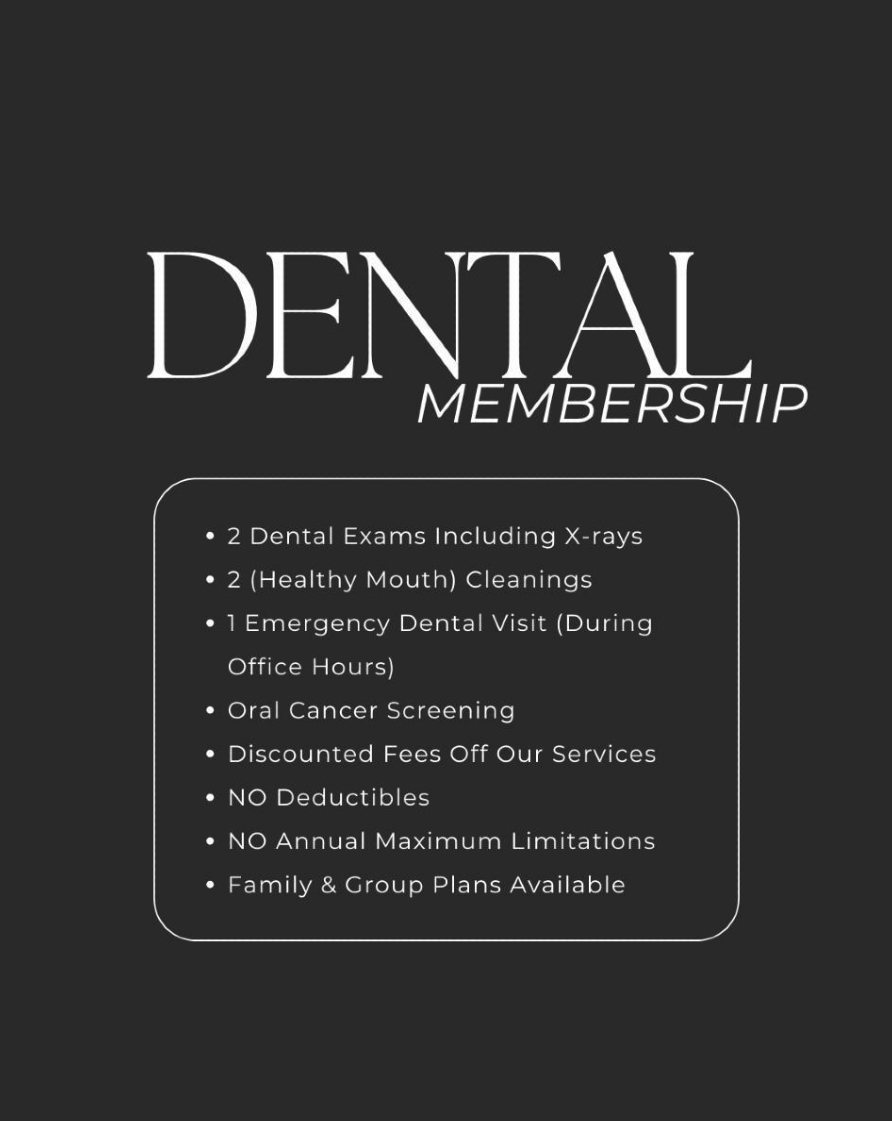
Looking for affordable dental plans in St. Louis?
We are excited to offer a membership plan for those patients who want to make Kirkwood Family Dental their home for dental care.
How Long Before Veneers Might Need Attention
It's helpful to have a general timeline in mind, even though individual results vary based on habits, oral hygiene, and how the veneers were originally placed.
Porcelain veneers commonly last ten to fifteen years before needing replacement, and many people get twenty years or more out of them with consistent care. Staining specifically is rarely the reason porcelain veneers need replacing. More often, it's normal wear, a chip, or a shift in bonding over a very long period.
Composite veneers typically need refinishing or replacement within five to seven years. Staining plays a more direct role here, since the material's porosity means color changes tend to show up sooner and more visibly than with porcelain.
Neither timeline is a strict rule. Someone with excellent oral hygiene, minimal staining exposure, and regular professional care can often extend these ranges, while someone with heavier exposure to staining foods or inconsistent care may need attention sooner.
The number of veneers you have and where they're located in your mouth can also play a role. Veneers on front teeth are more visible day to day, so even minor changes tend to get noticed sooner than they might on teeth further back. This isn't a reason for concern, but it does explain why some people feel like they're paying closer attention to their veneers than others might.
Genetics and natural enamel tone play a role as well, mainly in how the surrounding teeth age compared to the veneers themselves. Two people with identical veneers and similar habits can still see slightly different results over time simply because their natural teeth respond differently to the same daily exposures. This is normal and generally not something to worry about, but it's worth knowing so a gradual shift in shade doesn't come as a surprise.


At Kirkwood Family Dental, our expert team uses the latest techniques to transform your smile. See more before and after photos of smile makeovers. Contact us today to learn how we can help you experience a transformation firsthand.

Ready to learn about Veneers?
Contact our office today to schedule a no-pressure exam. We can’t wait to meet you!
FAQs about Veneers and Staining
Do porcelain veneers stain from coffee or wine?
Porcelain veneers are highly resistant to staining from coffee, wine, and similar foods and drinks. Their glazed surface doesn't absorb pigments the way natural enamel or composite material can, so most people notice little to no change in color from typical daily habits.
Do composite veneers stain more easily than porcelain?
Yes. Composite resin is more porous than glazed porcelain, which makes it more susceptible to picking up stains over time. Composite veneers often benefit from periodic polishing to maintain their original brightness.
Can I whiten my veneers if they look dull?
No, whitening products don't change the color of veneer material. If composite veneers look dull, professional polishing can often restore their shine. If porcelain veneers appear discolored, it typically indicates surface damage or wear rather than staining, and your dentist can evaluate whether polishing or replacement is appropriate.
Will my veneers look different from my natural teeth over time?
It's possible. While the veneer itself may resist staining, the natural teeth around it can gradually change color the way any tooth does. This can create a subtle difference in shade over the years, which is one reason shade planning at the time of placement is important.
How often should I get my veneers professionally cleaned?
Routine dental cleanings, typically every six months or as recommended by your dentist, help keep veneers looking their best. Professional cleanings remove surface buildup and use techniques suited to veneer material, which supports their appearance far more effectively than brushing alone.
Is it better to whiten my teeth before or after getting veneers?
Before. Completing any whitening treatment prior to veneer placement allows your dentist to match the veneer shade to your desired result. Whitening after veneers are placed won't affect the veneers themselves and can create a noticeable mismatch with your natural teeth.
Do veneers need to be replaced if they stain?
Not always. Composite veneers can often be polished or refinished rather than fully replaced. Porcelain veneers rarely stain in a way that requires replacement, and any needed replacement is more commonly related to wear, chipping, or bonding over a long period of time.
Can grinding my teeth make veneers more prone to staining?
Indirectly, yes. Grinding can wear down the protective glaze on porcelain veneers or roughen the surface of composite veneers, both of which can make future staining more likely. A night guard is often recommended for anyone with veneers who grinds or clenches their teeth.
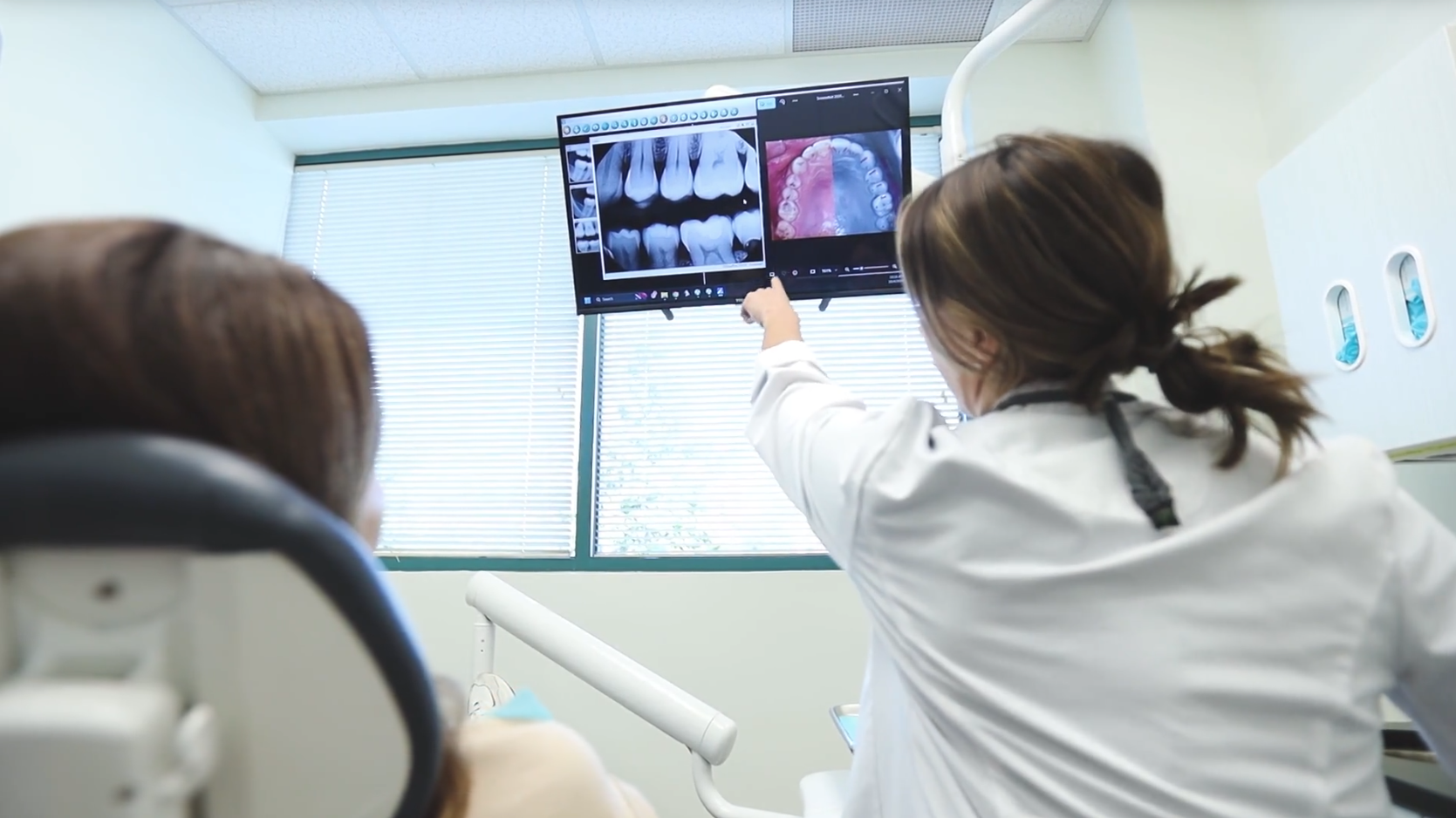
Work with the best dentists in St. Louis
Contact us today to schedule a comprehensive dental exam. We can’t wait to meet you!
Disclaimer
This article is for informational purposes only and should not be considered medical or dental advice. Individual results and timelines can vary based on the specific materials used, oral hygiene habits, diet, and other personal factors. Always consult with a qualified dental professional for guidance specific to your veneers and overall dental health. This information does not replace a professional dental consultation, examination, or diagnosis.
