

Tooth Sensitivity After a Filling: What's Normal and When to Call Your Dentist

Quick note: This article is for general educational purposes and isn't a substitute for personalized advice from your dentist. If you're experiencing tooth pain or sensitivity, the best next step is always a conversation with your own dental provider.
If you've recently had a cavity filled and noticed your tooth reacting to cold water, sweet foods, or even just biting down, you're not imagining it. Sensitivity after a filling is one of the most common experiences in restorative dentistry, and for the vast majority of patients, it resolves on its own within a short window of time.
Still, "common" doesn't always mean "nothing to think about." Knowing what typical post-filling sensitivity feels like, how long it usually lasts, and which signs suggest something else is going on can help you respond with confidence instead of guesswork. This guide walks through what's happening inside your tooth after a filling, what a normal recovery timeline looks like, and the specific situations where a follow-up visit is worth scheduling.
What's Actually Happening Inside Your Tooth
To understand why sensitivity happens, it helps to know a little about your tooth's structure. The outer layer of your tooth, the enamel, is hard and largely nerve-free. Beneath it sits a layer called dentin, which is porous and contains microscopic channels leading toward the tooth's nerve center, known as the pulp. When dentin is exposed or disturbed, hot, cold, sweet, or acidic stimuli can travel through those channels and reach the nerve, producing that sharp, momentary jolt many people describe as sensitivity.
During a filling procedure, your dentist removes decayed tooth structure and often works close to this dentin layer, sometimes very close to the pulp itself, depending on how deep the decay has reached. That process, along with the placement of the filling material, can leave the nerve slightly irritated. This irritation is a normal biological response, not a sign that anything went wrong. The nerve simply needs time to calm down and adjust after the disruption of the procedure.
It's also worth noting that sensitivity can happen whether this is your very first filling or a replacement for an older one. Teeth that have had previous dental work sometimes have thinner layers of protective structure remaining, which can make them slightly more prone to a sensitive period after new treatment.
Another factor worth understanding is that sensitivity and pain, while related, aren't quite the same thing. Sensitivity typically refers to a quick, sharp reaction to a specific trigger, such as cold water touching the tooth, that fades once the trigger is removed. Pain, on the other hand, often suggests something more persistent, whether that's a dull ache that lingers in the background or discomfort that shows up even without an obvious cause. Recognizing which category your symptoms fall into can help you describe them more clearly if you do decide to follow up with your dentist, and it can also help you gauge whether what you're experiencing fits within the range of a typical recovery.
What Normal Post-Filling Sensitivity Looks Like
Typical sensitivity after a filling tends to share a few recognizable characteristics:
Triggered by specific stimuli. Cold drinks, hot beverages, sweet foods, or biting pressure are the most common triggers. Sensitivity that only shows up in response to these specific stimuli, rather than existing constantly in the background, is generally a good sign.
Brief in duration. The discomfort usually lasts a few seconds after the trigger is removed, rather than lingering for minutes or hours.
Mild to moderate in intensity. Most patients describe it as noticeable but manageable, not sharp or severe.
Gradually improving. Even if sensitivity is present in the first few days, it should trend downward over time rather than staying flat or worsening.
If your experience matches this pattern, you're likely in the normal healing window, and no additional treatment is typically needed beyond a little patience and some simple at-home care, which we'll cover shortly.
How Long Should Sensitivity Last?
One of the most common questions patients have is simply: how long is too long? While every tooth and every patient is a little different, there's a general timeline that applies to most cases.
The first few days: Sensitivity is often at its most noticeable during this window, particularly to cold and to biting pressure. This is expected and reflects the tooth adjusting to both the procedure itself and the presence of new filling material.
One to two weeks: For most patients, sensitivity begins to taper off noticeably during this period. You may still notice occasional twinges, especially with very cold foods or drinks, but the frequency and intensity should be decreasing.
Two to four weeks: By this point, the majority of patients report that sensitivity has resolved entirely or has become minimal enough that it's barely noticeable in daily life. Deeper fillings, meaning those placed closer to the nerve, can sometimes take toward the longer end of this range to fully settle.
Beyond four weeks: If sensitivity is still present at this stage, particularly if it hasn't shown any improvement, it's a reasonable point to check in with your dentist. This doesn't automatically mean something is wrong, but it does mean the situation is worth a professional look rather than continued waiting.
Keep in mind that this timeline reflects general patterns, not a strict rule. Some patients feel completely comfortable within a few days, while others with deeper fillings may take closer to a month. What matters most is the overall trend: improvement over time is reassuring, while sensitivity that stays the same or gets worse is a signal to pay closer attention.
When Sensitivity Signals a Problem
While most post-filling sensitivity is a normal part of healing, there are specific underlying causes that can produce sensitivity extending well beyond the typical window. Understanding these possibilities can help you describe your symptoms more precisely if you do need to follow up with your dentist.
A Bite That's Slightly Off
After a filling is placed, your dentist checks your bite to make sure your teeth meet evenly when you close your mouth. Occasionally, a filling ends up sitting just a fraction too high. Because your bite naturally involves a significant amount of force, even a small discrepancy can put extra pressure on the treated tooth every time you chew, which can lead to ongoing sensitivity or a general feeling of soreness. This is one of the more straightforward issues to resolve, since your dentist can typically adjust the height of the filling in a short appointment.
Ongoing Pulp Inflammation
In cases where decay was extensive or the filling was placed close to the nerve, the pulp inside the tooth can remain inflamed for longer than the typical adjustment window. In many cases, this inflammation still resolves with additional time. However, if it continues without improvement, it can sometimes progress to a point where the nerve is no longer able to recover on its own, which may require further treatment such as a root canal.
Decay That Wasn't Fully Addressed
Occasionally, decay beneath a filling isn't entirely removed, or new decay develops around the edges of an existing filling over time. Since decay affects the dentin layer directly, it can produce ongoing sensitivity that doesn't follow the expected improvement pattern. An x-ray is usually the most reliable way to confirm whether this is the underlying cause.
A Cracked Filling or Tooth Structure
Fillings and the teeth surrounding them can develop small cracks, whether from biting pressure, teeth grinding, or normal wear over time. A crack can expose the sensitive inner layers of the tooth, producing sharp discomfort that's often triggered specifically by chewing or biting down in one particular spot. If you notice sensitivity that feels localized to a very specific point rather than the tooth as a whole, this is worth mentioning to your dentist.
Nerve Damage
In less common cases, particularly with very deep fillings, the nerve inside the tooth can become damaged enough that it doesn't recover, even after the expected healing period. Signs pointing toward this possibility include sensitivity that has become constant rather than trigger-based, or pain that continues even without any stimulus at all. This typically requires further evaluation to determine whether a root canal is the appropriate next step.
Sensitivity to Filling Materials
Filling materials are generally very well tolerated, but in rare instances, patients notice ongoing discomfort that appears related to the specific material used. If you have a known history of sensitivities and notice symptoms that seem unusual for a standard recovery, it's worth flagging to your dental team so they can consider whether material choice might be a factor for future treatment.
Does the Type of Filling Material Matter?
Patients sometimes ask whether the material used for a filling affects how much sensitivity they'll experience. In general, both composite (tooth-colored) fillings and amalgam (silver) fillings can produce temporary sensitivity, since the underlying cause is more closely tied to how close the filling sits to the nerve and how the tooth structure was affected by decay, rather than the material itself.
That said, composite fillings are bonded directly to the tooth using a process that involves some additional steps, including etching and bonding agents, which can occasionally contribute to a brief period of heightened sensitivity to cold immediately after placement. This typically fades within the same general timeline discussed earlier. Amalgam fillings, by contrast, aren't bonded in the same way and can sometimes cause temporary sensitivity to temperature changes because metal conducts heat and cold more readily than composite material.
Neither material is inherently "better" when it comes to sensitivity, and your dentist can help you understand which option makes the most sense based on the location and size of the filling, along with your personal preferences.
Managing Sensitivity at Home
While you wait for your tooth to settle, there are several straightforward steps that can help make the adjustment period more comfortable. None of these will speed up healing dramatically, but together they can reduce how often sensitivity is triggered and how noticeable it feels day to day.
Switch to a toothpaste formulated for sensitive teeth. These products typically contain potassium nitrate or similar ingredients that help calm the nerve endings within the dentin over time. Consistent use, rather than occasional use, tends to produce the best results, and it can take up to two weeks of regular use before you notice a meaningful difference.
Use a soft-bristled toothbrush. Gentle brushing reduces additional irritation to the area while your tooth recovers.
Limit extreme temperatures temporarily. Avoiding very hot or very cold foods and drinks for the first week or two can reduce how often the sensitivity is triggered.
Chew on the opposite side when possible. Giving the treated tooth a break from direct biting pressure can help reduce discomfort, particularly if the sensitivity is more noticeable when chewing.
Avoid acidic foods and drinks in the short term. Acidic items can further irritate already sensitive dentin, so it's reasonable to hold off on these for a short period after treatment.
Give your tooth a break from whitening products. If you use a whitening toothpaste or at-home whitening treatment, pausing it for a week or two after a filling can prevent additional irritation to an already sensitive area.
Over-the-counter pain relievers can also help manage mild discomfort during the first few days, if needed. As always, follow the dosing guidance on the label or any specific instructions your dentist provides.


At Kirkwood Family Dental, we love to bring smiles back to life. Check out more before and after photos of smile makeovers and contact us today learn more about how we can help you improve or maintain your dental health.
When to Call Your Dentist
Most sensitivity resolves without intervention, but certain signs suggest it's time to schedule a follow-up rather than continue waiting. Consider reaching out to your dental team if you notice any of the following:
Sensitivity that hasn't improved at all after four weeks
Pain that is sharp, severe, or worsening rather than improving
Discomfort that occurs even without a specific trigger, such as constant background pain
Swelling, redness, or a bad taste near the treated tooth
A noticeable change in how your teeth fit together when you bite down
Sensitivity that feels sharply localized to one specific spot when chewing
Dental teams that prioritize patient comfort, including the team at Kirkwood Family Dental, generally encourage patients not to wait out unusual symptoms on their own. A quick check-in appointment is typically far simpler than addressing a problem that's had time to progress, and it gives you clarity about what's actually happening rather than continued uncertainty.

Ready to learn about a getting a filling?
Schedule an appointment today to learn how we can help improve the overall health and appearance of your smile.
What Happens at a Follow-Up Visit
If you do schedule a follow-up appointment for lingering sensitivity, the visit is usually straightforward. Your dentist will likely start by asking detailed questions about your symptoms, including what triggers the sensitivity, how long it lasts, and whether it has been improving or staying the same. This information helps narrow down the likely cause before any physical examination even begins.
From there, a bite check is common, since this is one of the easiest issues to identify and correct. Your dentist may also perform a cold test, applying a cold stimulus to the tooth to assess how the nerve responds, which can help distinguish between normal lingering sensitivity and a sign of deeper nerve involvement. An x-ray is often taken as well, allowing your dentist to check for decay beneath the filling, assess the proximity of the filling to the nerve, and rule out any structural issues that aren't visible during a standard exam.
Based on these findings, next steps can range from a simple filling adjustment, which often resolves bite-related sensitivity immediately, to a period of continued monitoring, to further treatment if decay, a crack, or nerve involvement is identified. In many cases, patients leave a follow-up visit with reassurance that everything is healing as expected, along with a clearer sense of what to watch for going forward.
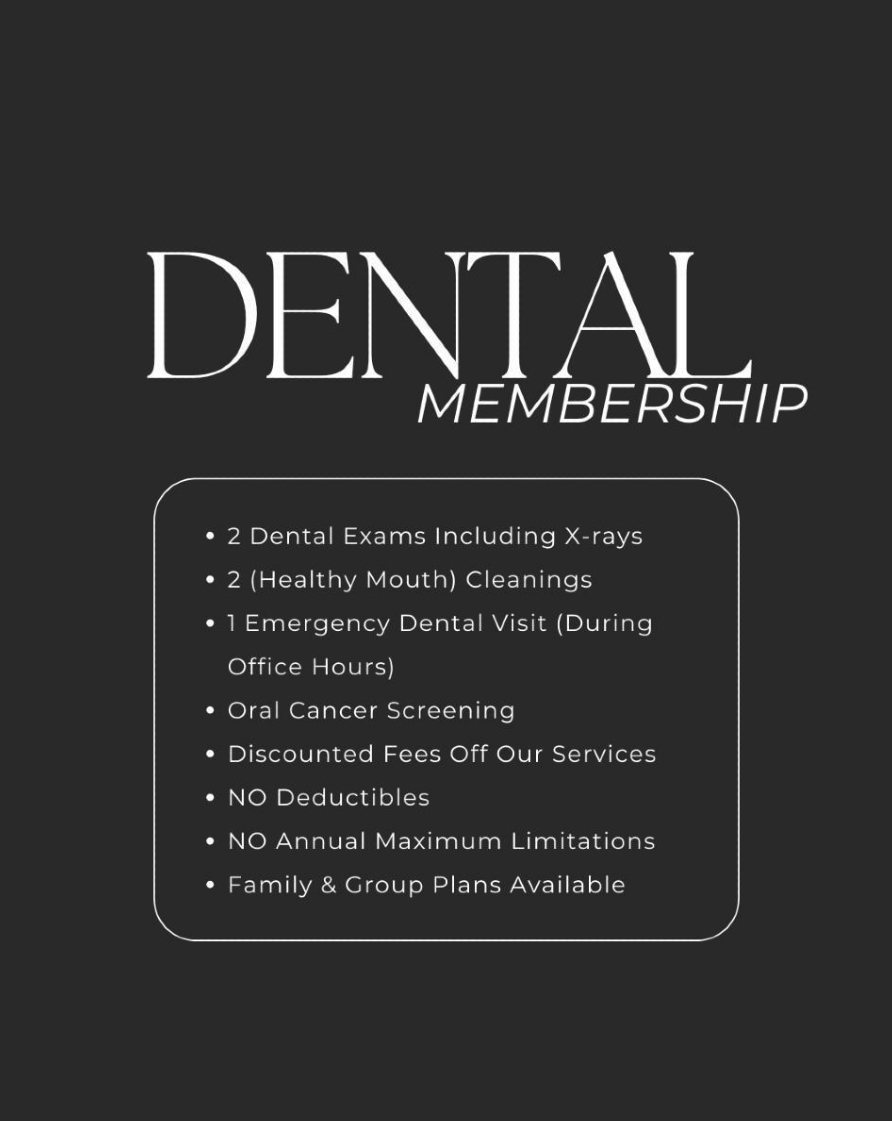
Looking for affordable dental plans in St. Louis?
We are excited to offer a membership plan for those patients who want to make Kirkwood Family Dental their home for dental care.
Preventing Sensitivity After Future Fillings
While some degree of sensitivity is a normal part of the healing process and can't always be avoided entirely, a few habits can help minimize how pronounced it becomes after future dental work. Keeping up with routine exams and cleanings allows small areas of decay to be caught and treated while they're still shallow, which generally means less disruption to the tooth and a shorter, milder adjustment period if a filling is needed. If you know you grind your teeth, discussing a nightguard with your dentist can help protect both natural teeth and any existing fillings from the extra pressure that grinding places on them. Being upfront with your dentist about any history of sensitive teeth also allows them to factor that into their approach, whether that means selecting a particular filling material or taking extra care during the procedure itself.


At Kirkwood Family Dental, our expert team uses the latest techniques to transform your smile. See more before and after photos of smile makeovers. Contact us today to learn how we can help you experience a transformation firsthand.

Ready to learn about getting a filling?
Contact our office today to schedule a no-pressure exam. We can’t wait to meet you!

FAQs about filling sensitivity
Is it normal to feel sensitivity in a tooth that never had a filling before?
Yes. Even teeth without prior dental work can experience temporary sensitivity after a first filling, since the procedure itself, not just the tooth's history, is what triggers the nerve irritation. First-time fillings and replacement fillings generally follow a similar recovery timeline.
Can sensitivity go away and then come back weeks or months later?
It's uncommon, but possible. If sensitivity that had fully resolved returns later on, it's worth having the tooth evaluated, since this pattern can sometimes point to new decay, a developing crack, or another issue unrelated to the original healing process.
Does sensitivity mean the filling failed or was done incorrectly?
Not necessarily. Sensitivity within the typical recovery window is an expected biological response, not an indication that the procedure was done improperly. Even well-placed fillings can produce temporary sensitivity, particularly when decay was close to the nerve.
Is sensitivity worse with a deep filling compared to a shallow one?
Generally, yes. Fillings placed closer to the nerve tend to produce more noticeable sensitivity and can take slightly longer to settle compared to shallow fillings, simply because the nerve was closer to the area being treated.
Should I avoid brushing the treated tooth if it feels sensitive?
No, gentle brushing should continue as part of your normal oral hygiene routine. Skipping brushing can allow plaque to build up around the area, which isn't helpful for healing. Using a soft-bristled brush and light pressure is generally sufficient to avoid additional irritation.
Can sensitivity after a filling indicate I need a root canal?
In most cases, no. The large majority of post-filling sensitivity resolves without any further treatment. Root canal therapy typically only becomes necessary when the nerve has sustained damage significant enough that it can't recover on its own, which is a less common outcome and one your dentist can help determine through further evaluation if sensitivity persists well beyond the normal timeline.
Is it normal for a tooth to feel sensitive to air or cold wind after a filling?
Yes, this is a fairly common variation of the same underlying sensitivity. Exposed dentin can react to moving air, so noticing a twinge on a cold day or when breathing through your mouth isn't unusual. This typically fades within the same general timeframe as sensitivity to cold foods and drinks.
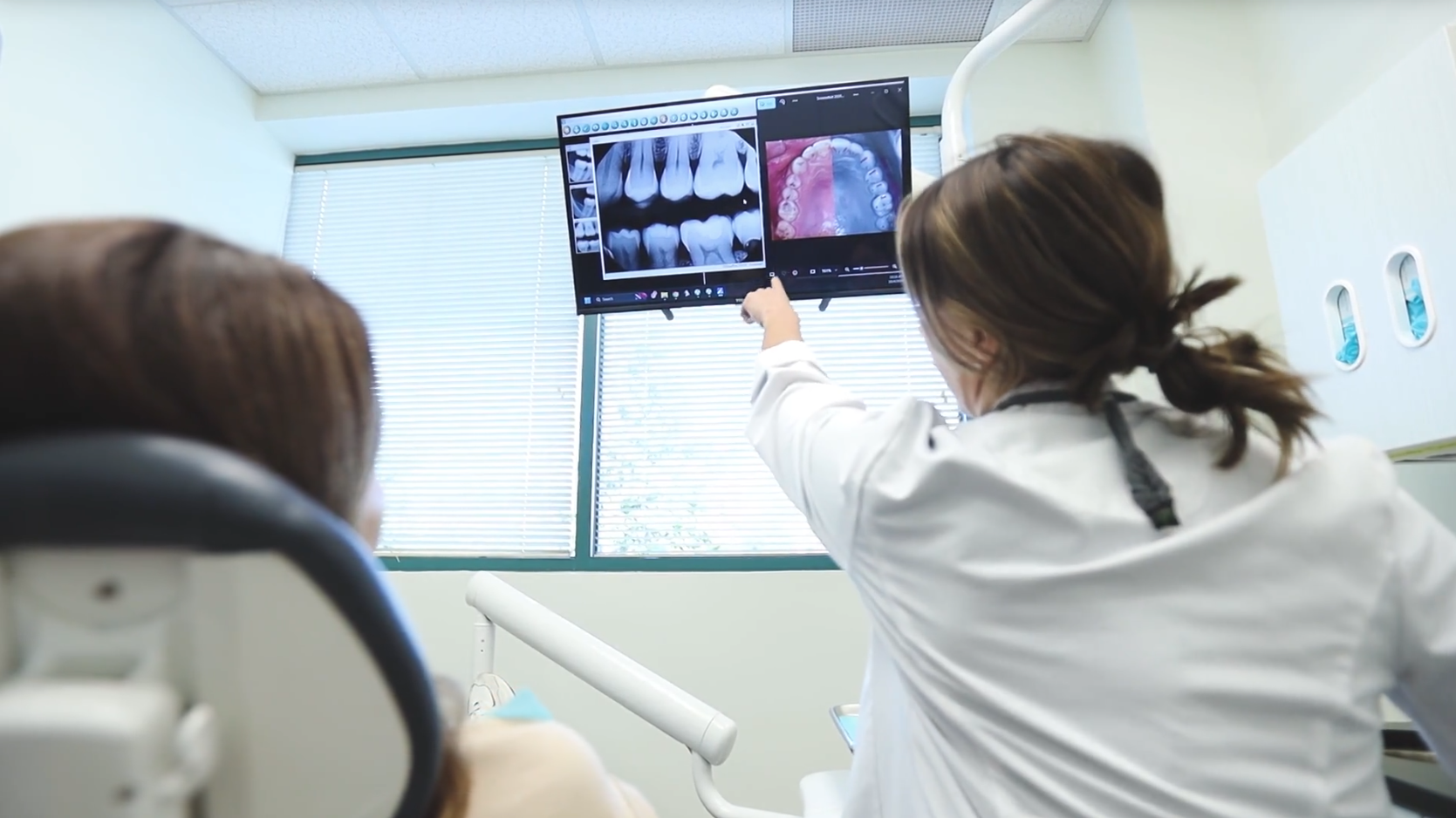
Work with the best dentists in St. Louis
Contact us today to schedule a comprehensive dental exam. We can’t wait to meet you!
Disclaimer:
This article is intended for general informational and educational purposes only and does not constitute dental or medical advice. Every patient's situation is different, and the timelines, causes, and recommendations discussed here may not apply to your specific circumstances. Always consult with a licensed dentist regarding any tooth pain, sensitivity, or concerns about a recent dental procedure. If you are experiencing severe pain, swelling, fever, or other symptoms that concern you, contact your dental provider promptly or seek appropriate medical care.
