

How Much Are Dental X-Rays Without Insurance? A Complete Cost Guide
This article is for general informational purposes only and isn't a substitute for professional dental advice. Pricing reflects general ranges and may vary by location; consult a licensed dentist for advice specific to you.
If you don't have dental insurance, a simple question like "how much will X-rays cost?" can feel surprisingly hard to answer. Dental offices don't always post their prices online, and the number you eventually hear can vary quite a bit depending on where you live, what type of X-rays you need, and whether they're bundled with an exam.
The short answer: individual dental X-rays typically range from about $25 to $75 per image without insurance, while a full mouth series or panoramic X-ray can run $100 to $250. A complete new patient visit that includes an exam and a full set of X-rays commonly falls somewhere between $200 and $400, though costs outside that range aren't unusual depending on your location and the technology used.
This guide breaks down what dental X-rays actually cost, what drives the price up or down, and what your options are if you're paying out of pocket.
Why Dentists Take X-Rays in the First Place
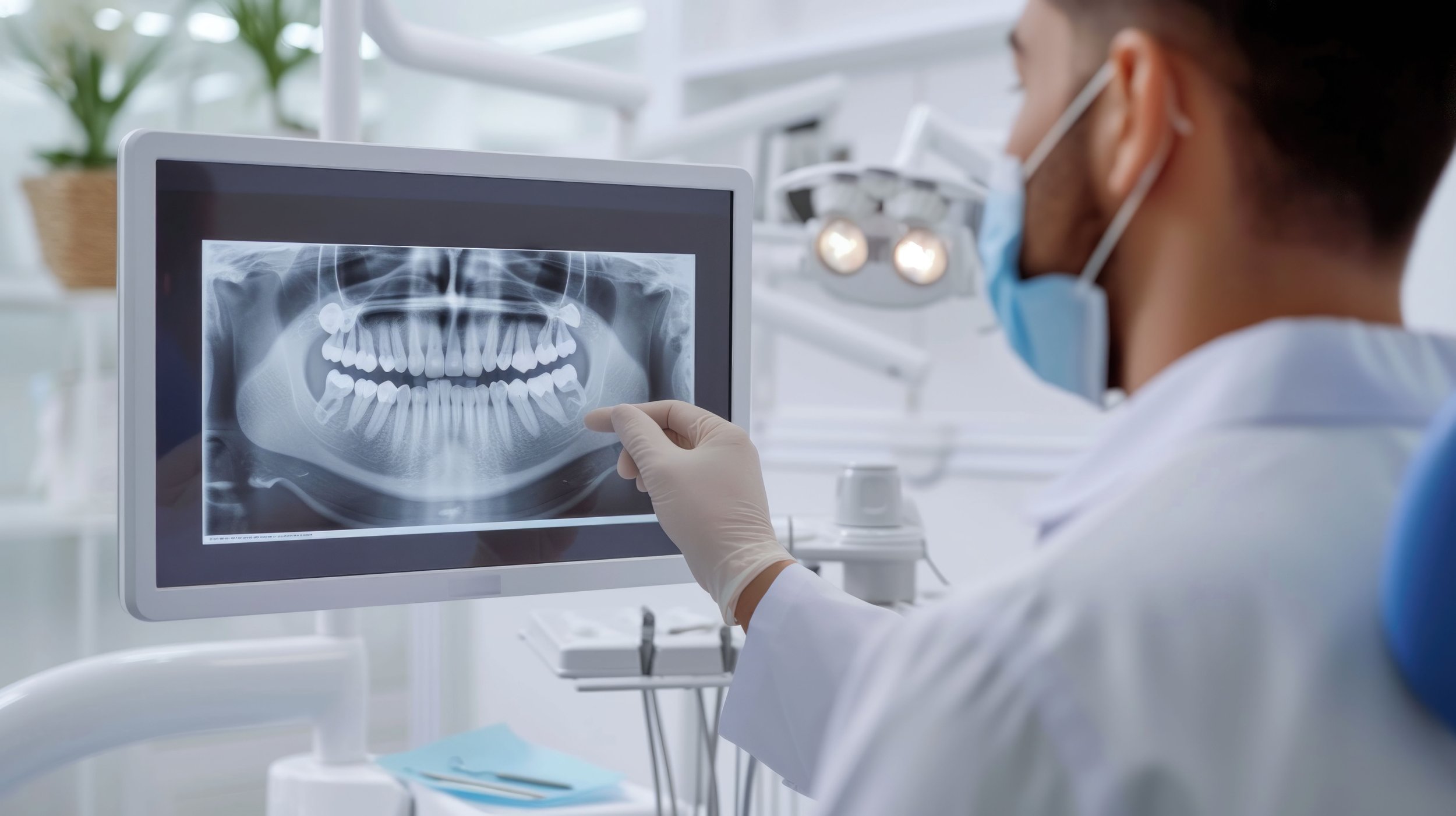
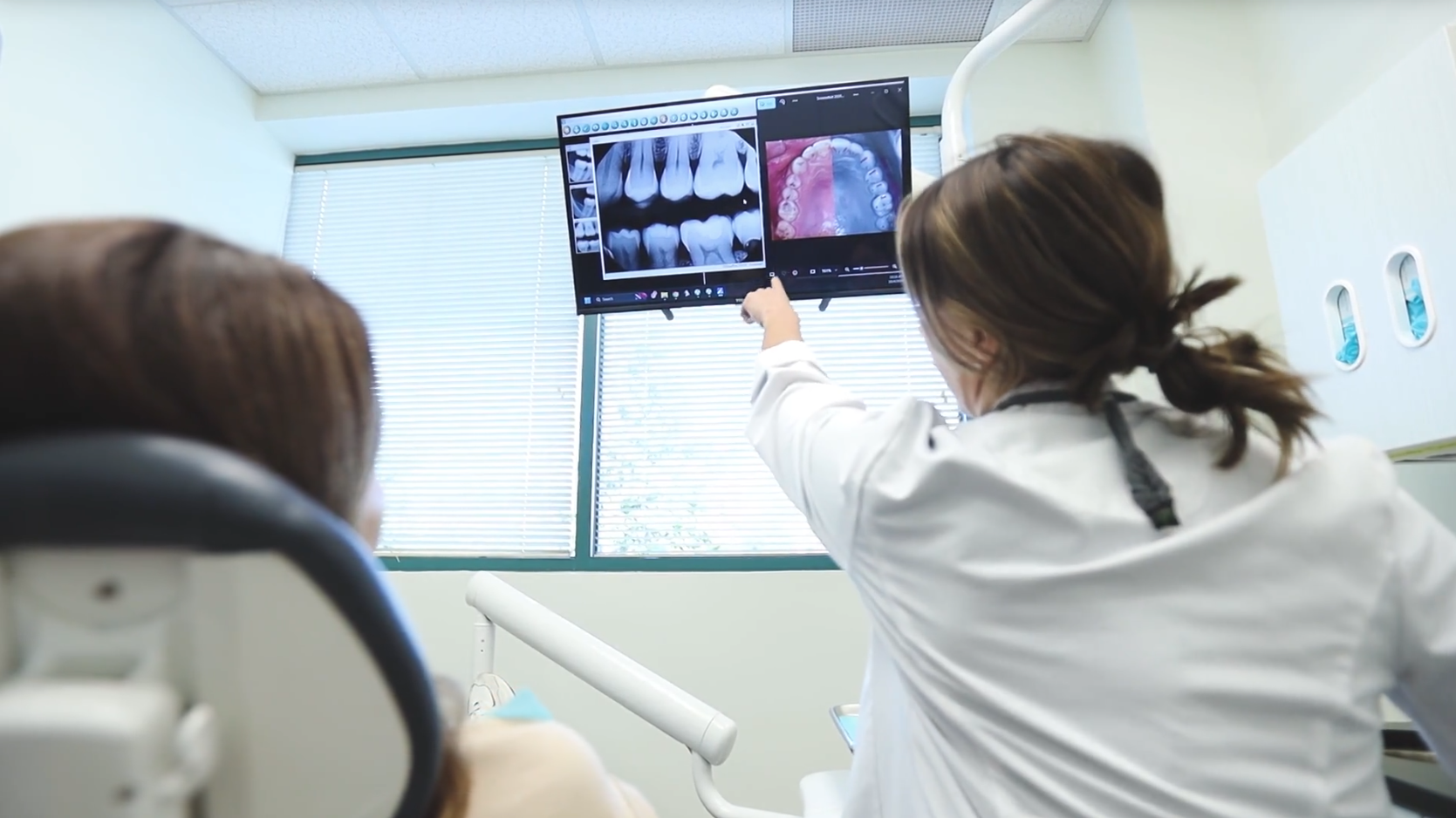
X-rays aren't an upsell. They're one of the only ways a dentist can see what's happening beneath the surface of your teeth and gums. A visual exam shows what's visible to the eye: the outer surface of a tooth, visible decay, gum color and texture, and obvious wear. It cannot show what's happening between teeth, below the gumline, inside the tooth, or within the jawbone.
X-rays allow a dentist to identify:
Cavities forming between teeth, before they're large enough to see or feel
Bone loss associated with gum disease
Infections or abscesses at the root of a tooth
The position of teeth that haven't fully emerged, including wisdom teeth
Cysts, tumors, or other abnormalities in the jaw
The condition of old fillings, crowns, or root canals
Whether a tooth's roots are affected by decay or trauma
Many of these issues cause no pain in their early stages. By the time a cavity or infection becomes noticeable, it's often progressed to the point where treatment is more involved and more expensive than it would have been if caught earlier. This is part of why X-rays are considered a standard part of both new patient visits and routine dental care, not an optional add-on.
It's also worth understanding that X-ray recommendations aren't one-size-fits-all. The American Dental Association and the FDA jointly publish guidelines that help dentists determine how often imaging is appropriate based on a patient's age, oral health history, and risk of developing new problems. A patient with a strong history of healthy checkups and no cavities may need imaging less frequently than someone with a history of decay, gum disease, or ongoing dental work. Your dentist should be able to explain the reasoning behind any imaging they recommend for your specific situation, rather than applying a blanket schedule to every patient.
Types of Dental X-Rays and What Each Costs
Not all dental X-rays are the same, and the type you need depends on what your dentist is trying to evaluate. Here's a breakdown of the most common types and their typical out-of-pocket costs.
Bitewing X-rays ($25–$50 per set): These show the upper and lower back teeth in a single image, capturing the crowns of the teeth and the bone level between them. Bitewings are the most routine type of X-ray and are typically taken once or twice a year to check for cavities between teeth and monitor bone health.
Periapical X-rays ($25–$75 per image): These capture an entire tooth, from crown to root tip, along with the surrounding bone. They're used when a dentist needs to look closely at a specific tooth, for example, to check for an infection at the root or evaluate a tooth before a root canal.
Panoramic X-rays ($100–$150): A single wide image that captures the entire mouth in one shot, including all teeth, the upper and lower jaw, and the sinuses. Panoramic X-rays are often used to evaluate wisdom teeth, plan orthodontic treatment, or get a broad overview of oral health.
Full Mouth Series ($100–$250): A complete set of individual bitewing and periapical images covering the entire mouth. This is typically taken for new patients or every few years to establish a detailed baseline of oral health.
3D Cone Beam CT Scan ($200–$400+): A more advanced, three-dimensional image used for complex cases such as implant planning, evaluating impacted teeth, or assessing the jawbone in detail. This is the most expensive type of dental imaging and isn't part of a routine visit.
Prices at the higher end of these ranges are more common in larger cities, while smaller towns and rural areas tend to run lower.
What a Full Visit With X-Rays Typically Costs
Most patients don't have X-rays taken in isolation. They're paired with a dental exam, and often a cleaning as well. Here's a general idea of what a full visit looks like in terms of cost without insurance:
New patient exam with a full set of X-rays: $300–$400
New patient exam, X-rays, and a standard cleaning: $400–$500
Recall (returning patient) exam with bitewing X-rays: $250–$300
Recall exam, bitewings, and a cleaning: $300–$400
These figures assume a healthy mouth with no additional treatment needed. If your exam reveals cavities, gum disease, or other issues, those treatments are priced separately and are not included in these ranges.
Some practices structure their new patient visit as a flat, all-inclusive fee, while others itemize each service separately on your bill. Asking upfront whether X-rays are bundled into the exam fee or billed separately can help you understand what to expect before you sit down in the chair.
How X-Ray Costs Differ When You Have Insurance
Understanding what insured patients typically pay can help put out-of-pocket pricing into perspective. Most dental insurance plans classify X-rays as preventive or diagnostic care, which is usually covered at 80–100%, often with no deductible applied. This means an insured patient might pay little to nothing out of pocket for routine bitewing X-rays, while a full mouth series or panoramic image may involve a smaller copay.
That coverage isn't unlimited, though. Most plans only cover a certain number and type of X-rays within a set time period, commonly bitewings once or twice a year and a full mouth series or panoramic image once every three to five years. X-rays taken outside of that window, or additional imaging needed for a specific concern, may not be fully covered even with insurance.
Without insurance, you're simply paying the full, unreduced fee for whatever imaging your dentist recommends. There's no annual maximum limiting how much you can spend, but there's also no coverage percentage reducing your bill. This is exactly why the cost-saving strategies later in this guide, including membership plans, new patient specials, and payment plans, matter so much for patients paying entirely out of pocket.
What Affects the Price of Dental X-Rays
A handful of factors explain why the same X-ray can cost noticeably different amounts from one office to the next.
Geographic location: Dental pricing tracks closely with the local cost of living. Offices in major metropolitan areas typically charge more than those in smaller cities or rural communities, largely due to differences in rent, staffing costs, and overhead.
Type of practice: Private practices, corporate dental groups, community health centers, and dental school clinics all price differently. Community clinics and dental schools often offer reduced rates, while some corporate chains use low-cost new patient specials to attract business, with standard pricing applying afterward.
Digital vs. traditional film X-rays: Most practices today use digital X-ray technology, which produces images instantly and exposes patients to significantly less radiation than older film-based systems. Digital imaging equipment carries its own cost, which can be reflected in pricing, though it also tends to be more efficient, which can help offset the expense.
Number and type of images needed: A quick set of bitewings costs far less than a full mouth series or a 3D scan. Your dentist will typically recommend the minimum imaging necessary based on your history and current symptoms, rather than defaulting to the most extensive option.
Whether it's bundled with other services: Some offices include X-rays in a flat new patient fee, while others itemize each service individually. A visit that looks inexpensive at first glance may not include X-rays in that base price, so it's worth confirming exactly what's covered.
Local market competition: In areas with a high concentration of dental practices, some offices price their new patient visits more competitively to attract business. In areas with fewer providers, pricing tends to be more uniform and less negotiable. This is one reason the same set of X-rays might cost noticeably different amounts even between two towns that are relatively close to each other.


At Kirkwood Family Dental, we love to bring smiles back to life. Check out more before and after photos of smile makeovers and contact us today learn more about how we can help you improve or maintain your dental health.
New Patient X-Rays vs. Routine Recall X-Rays
If you're establishing care with a new dentist, you can generally expect more extensive imaging than you would at a routine follow-up visit. A new patient exam typically includes a full mouth series or panoramic X-ray, since the dentist has no prior record of your oral health and needs a complete baseline to work from.
Once that baseline exists, most dentists only need routine bitewing X-rays at regular checkups, usually once every six to twelve months, along with a full mouth series or panoramic image every few years to check for changes over time. Some patients with a strong history of oral health and low cavity risk may go even longer between full imaging updates, based on their dentist's recommendation.
This distinction matters for your wallet: a first visit with a new provider will almost always cost more than a routine six-month checkup, largely because of the more comprehensive imaging involved.
Ways to Lower the Cost of Dental X-Rays Without Insurance
Paying out of pocket for dental care doesn't mean you're without options. A few approaches can meaningfully reduce what you pay for X-rays and the visits that come with them.
Ask about new patient specials. Many practices offer a reduced flat rate for a first visit that includes an exam, X-rays, and sometimes a cleaning. These promotional rates can be substantially lower than paying for each service individually.
Look into in-house membership plans. A growing number of dental practices, including Kirkwood Family Dental, offer membership programs designed specifically for patients without insurance. These plans typically bundle exams, cleanings, and X-rays into an annual fee, along with discounted rates on additional treatment, and they don't carry the waiting periods, annual maximums, or claim denials that come with traditional insurance.
Check community health centers and dental schools. Federally qualified health centers often offer dental services on a sliding scale based on income. Dental schools, where supervised students perform procedures under licensed faculty, typically charge significantly less than private practices for the same imaging and care.
Use an HSA or FSA if you have one. If you have a Health Savings Account or Flexible Spending Account through an employer, dental X-rays and exams are generally eligible expenses, allowing you to pay with pre-tax dollars.
Ask about payment plans. Many practices offer the option to split a larger bill into smaller monthly payments, either directly through the office or through a third-party healthcare financing company.
Compare a few offices before committing. Pricing for the same set of X-rays can vary meaningfully between practices in the same area. A quick phone call to ask about new patient pricing can save you a noticeable amount before you book.

Ready to learn about dental x-rays?
Schedule an appointment today to learn how we can help improve the overall health and appearance of your smile.
Is Skipping X-Rays a Good Way to Save Money?
It's understandable to want to cut costs where you can, and X-rays are sometimes the first thing patients ask to skip. Before deciding to decline them, it's worth understanding what that trade-off actually involves.
X-rays are the primary tool dentists use to catch problems that aren't yet visible or painful. A cavity between two teeth, an infection forming below the gumline, or bone loss from gum disease can all develop without any noticeable symptoms until they've progressed significantly. Without imaging, these issues are often missed until they require more extensive and more expensive treatment, such as a root canal, extraction, or bone grafting.
In many cases, the cost of routine X-rays is small compared to what's saved by catching a problem early. A cavity caught at the bitewing stage might mean a simple filling. That same cavity, left undetected for a year or two, can progress to the point of needing a crown or root canal, both of which cost significantly more than the imaging that would have caught it sooner.
If cost is a genuine concern, the better approach is usually to talk with your dentist directly about which X-rays are truly necessary for your situation, rather than skipping imaging altogether. Most dentists are willing to explain their reasoning and adjust recommendations based on your oral health history and current risk level. A dentist who takes the time to walk through why a particular X-ray is recommended, rather than simply scheduling it by default, is generally a good sign that your treatment plan is being tailored to your actual needs rather than a standard checklist.
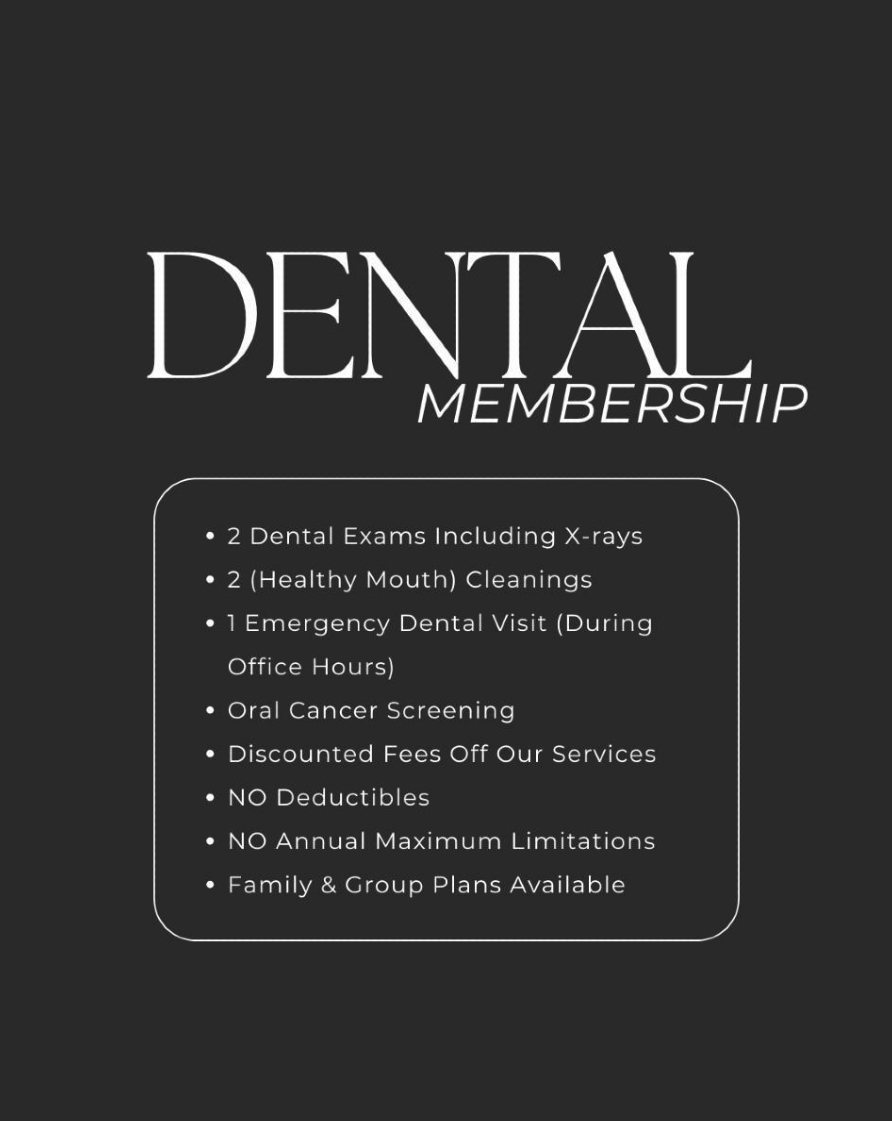
Looking for affordable dental plans in St. Louis?
We are excited to offer a membership plan for those patients who want to make Kirkwood Family Dental their home for dental care.
Questions to Ask Before Your Appointment
A short conversation before you book can help you avoid surprises on your bill. Consider asking:
Are X-rays included in the exam fee, or billed separately?
What type of X-rays do you recommend for my situation, and why?
Do you offer a new patient special that includes X-rays?
What membership or payment plan options are available if I don't have insurance?
Can you give me a written estimate before any additional treatment begins?
Most dental offices are used to fielding these questions from patients without insurance and can walk you through pricing before you commit to an appointment


At Kirkwood Family Dental, our expert team uses the latest techniques to transform your smile. See more before and after photos of smile makeovers. Contact us today to learn how we can help you experience a transformation firsthand.
Ready to learn about dental x-rays?
Contact our office today to schedule a no-pressure exam. We can’t wait to meet you!
Frequently Asked Questions - Dental X-Rays
How much do dental X-rays cost without insurance?
Individual X-rays typically range from $25 to $75 per image, while a full mouth series or panoramic X-ray usually costs between $200 and $300. A 3D cone beam scan, used for more complex cases, can run $200 to $400 or more.
Are dental X-rays required at every visit?
No. Most patients only need bitewing X-rays at routine checkups, typically once every six to twelve months, with a more complete set of images taken every few years. Your dentist will recommend a schedule based on your individual oral health and risk factors.
Can I decline X-rays to save money?
You can decline imaging, but doing so limits your dentist's ability to detect problems that aren't visible during a standard exam. Many issues that X-rays catch early are far less costly to treat than the same issues discovered later.
Do membership plans actually cover X-rays?
Many in-house dental membership plans include X-rays as part of the annual membership fee, along with exams and cleanings. It's worth reviewing exactly what's included before enrolling, since coverage can vary from one plan to another.
Is it cheaper to get X-rays at a dental school?
Often, yes. Dental schools typically charge less than private practices for exams and X-rays, since the work is performed by supervised students. Appointments may take longer, and availability can be limited depending on the school's schedule.
Why do new patient X-rays cost more than a routine checkup?
New patient visits typically require a more complete set of images, often a full mouth series or panoramic X-ray, to establish a baseline record of your oral health. Routine follow-up visits generally only require a smaller set of bitewing X-rays, which costs less.
Will my HSA or FSA cover dental X-rays?
In most cases, yes. Dental X-rays and exams are generally considered eligible expenses under Health Savings Accounts and Flexible Spending Accounts, though it's a good idea to confirm with your plan administrator.
How does insurance coverage for X-rays compare to paying out of pocket?
Most dental insurance covers routine X-rays at 80–100%, often within set limits on how often they're covered. Without insurance, you pay the full fee for whatever imaging is recommended, which is why cost-saving options like membership plans and new patient specials are especially useful for uninsured patients.
Do all dental offices charge the same amount for X-rays?
No. Pricing varies based on location, the type of practice, the technology used, and local market competition. It's common for the same set of X-rays to cost noticeably different amounts between two offices in the same general area, which is why it can be worth calling ahead to compare new patient pricing.
Work with the best dentists in St. Louis
Contact us today to schedule a comprehensive dental exam. We can’t wait to meet you!
Disclaimer:
This article is for general educational purposes only and is not medical or dental advice. Pricing figures are estimates and may not reflect actual costs at any specific practice, as costs vary by location, provider, and individual needs. Only a licensed dentist can accurately assess your situation, so confirm current pricing and plan details directly with a dental office before scheduling treatment.
