

How Long Does a Dental Cleaning Take? A Complete Guide to Every Type of Cleaning, What to Expect, and Why It's Worth Your Time
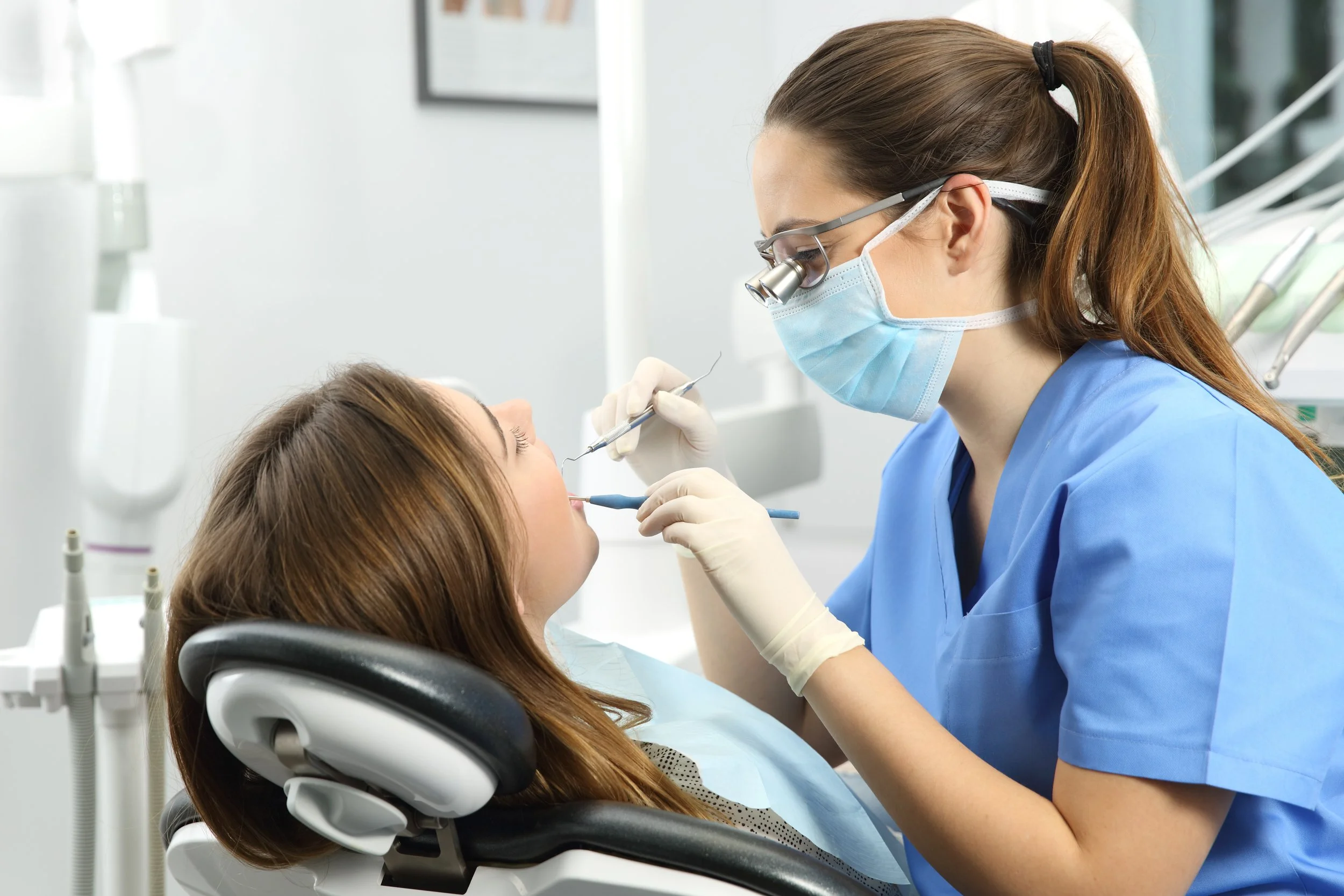
If you've ever wondered how much time to block off before a dental cleaning, you're not alone. Between work schedules, school pickups, and everything else life demands, knowing how long you'll actually be in the chair matters.
The honest answer is that it depends on a few variables, and understanding those variables is genuinely useful. A routine cleaning for someone who comes in twice a year looks different from a first-time visit or an appointment after a long gap in care. The type of cleaning your mouth needs, your gum health, whether x-rays are due — all of it factors into the final timeline.
This guide gives you a clear, complete picture of what a dental cleaning involves, why different situations call for different amounts of time, and what you can realistically expect from start to finish. Whether you're scheduling your next appointment, preparing a family member for their first visit, or simply trying to understand what actually happens during that hour in the chair, the information here will help you walk in prepared.
How Long Does a Dental Cleaning Take?
For most adults attending a routine cleaning appointment, the visit runs between 45 minutes and one hour. That window covers everything — the hygienist's initial assessment, the cleaning itself, polishing, flossing, and the dentist's exam at the end. If x-rays are scheduled that day, which typically happens once a year, the appointment may run a few minutes longer.
For new patients, first-time visitors, or anyone coming in after an extended absence from dental care, 60 to 90 minutes is a more accurate estimate. Deep cleanings — a separate and more involved procedure — operate on an entirely different timeline, which we'll cover in detail below.
The short version: plan for an hour, and you'll be well-prepared for most routine visits.
What Actually Happens During a Dental Cleaning
One reason people feel uncertain about how long a cleaning takes is that many patients aren't entirely sure what's happening during the appointment. Understanding the process makes the time feel purposeful rather than mysterious — and it makes every step easier to anticipate.
When you're settled into the chair, your dental hygienist begins with a thorough assessment of your gum health. Using a small, calibrated probe, they gently measure the depth of the spaces between your gums and teeth — a process called periodontal charting. Healthy gum pockets measure one to three millimeters. Deeper readings can signal early gum disease, and this initial measurement guides everything the hygienist does next.
From there, the work shifts to scaling — the careful removal of plaque and tartar, also called calculus, from the surfaces of your teeth and along the gumline. Plaque is the soft, sticky film that forms on teeth throughout the day. When it isn't removed through brushing and flossing, it hardens into tartar, a mineralized deposit that can't be cleared with a toothbrush at home. Tartar tends to accumulate in predictable spots: along the gumline, between teeth, and on the backs of the lower front teeth. Hygienists use a combination of hand instruments and, in many modern practices, an ultrasonic scaler — a device that uses gentle vibration and water to dislodge deposits efficiently and comfortably.
After scaling, the hygienist polishes your teeth using a slightly gritty paste applied with a soft, rotating tool. This step removes surface stains and leaves teeth feeling smooth and clean. It isn't a whitening treatment — the primary purpose is to eliminate superficial discoloration and reduce the rough surface texture that bacteria prefer to attach to.
Flossing follows polishing. Beyond removing remaining debris from between teeth, it gives the hygienist an opportunity to assess your at-home flossing habits and identify any areas where the gums bleed or feel tender. Consistent gum bleeding during flossing is a sign of inflammation, and your hygienist will note it for the dentist's review.
Many practices also offer a fluoride treatment at the close of the hygiene appointment. Fluoride is applied as a varnish, gel, or foam directly to the teeth, where it absorbs into the enamel and strengthens it against bacterial acids. It takes only a couple of minutes and provides meaningful protection, particularly for patients prone to cavities or who have areas of early enamel softening.
After the hygiene portion concludes, your dentist will review the hygienist's findings, examine your teeth for decay, assess existing restorations, check your bite, and perform an oral cancer screening. This exam typically takes ten to fifteen minutes and is where any concerns or treatment recommendations are discussed. Put it all together, and you have a thorough, multi-step process that serves both a preventative and a diagnostic function. Every minute has a reason.
Not All Cleanings Are the Same: Types of Dental Cleanings and How Long Each Takes
One of the most important things to understand is that the word "cleaning" covers several distinct procedures. The appropriate type depends on your current oral health status, how long it's been since your last visit, and what the hygienist finds during the initial assessment.
Routine Prophylaxis
This is the standard cleaning most adults are familiar with — the twice-yearly appointment that maintains healthy teeth and gums. For patients who are consistent about their care schedule and have no significant gum disease, a prophylaxis typically takes between 45 and 60 minutes from start to finish, including the dentist's exam. It's efficient, comfortable, and entirely manageable within a typical lunch break or afternoon block.
New Patient Cleaning
A first visit to a dental practice is a longer appointment by design. The hygienist and dentist need to establish a complete picture of your oral health — which means a full set of x-rays, comprehensive periodontal charting, a detailed health history review, and in many cases a more thorough cleaning because no prior baseline exists. New patient appointments commonly run 60 to 90 minutes, and sometimes closer to two hours if treatment planning discussions are part of the visit. This extra time is an investment in getting your care started on the right foundation.
Cleaning After an Extended Gap
If it has been a couple of years — or longer — since your last professional cleaning, your appointment will likely take more time than a routine visit. Tartar accumulates continuously, and a longer absence typically means more buildup that requires careful, deliberate removal. Some patients feel self-conscious about this, but dental professionals understand that life circumstances create gaps in care, and there is no judgment involved. The cleaning simply takes longer because there is more to address.
Periodontal Maintenance
Patients who have been treated for gum disease transition from routine prophylaxis appointments to periodontal maintenance visits. These occur more frequently — typically every three to four months — and are slightly more involved than a standard cleaning. The hygienist pays particular attention to previously affected areas, measures pocket depths carefully, and monitors for any signs of disease recurrence. These visits generally require a similar time commitment to a routine cleaning, but with more focused clinical attention.
Scaling and Root Planing (Deep Cleaning)
Scaling and root planing is a therapeutic procedure, not a routine one. It's recommended when gum disease has progressed to the point where a standard prophylaxis isn't sufficient — typically when multiple pocket depths measure four millimeters or more. Unlike a routine cleaning, scaling and root planing goes below the gumline to remove tartar from root surfaces and smooth them to discourage bacteria from reattaching.
This procedure is almost always divided into two appointments, with half the mouth treated at each visit. Each session runs approximately 60 to 90 minutes, and local anesthetic is commonly used to keep the process comfortable. With appropriate anesthesia, most patients find it very manageable. Some tenderness and sensitivity in the days following is normal and resolves as the gum tissue heals.
What Affects How Long Your Specific Cleaning Takes
Even within the same type of appointment, individual factors can shift the timing. Understanding what those factors are helps you set realistic expectations before you arrive.
Tartar accumulation is the single biggest variable. Patients who brush and floss consistently and come in every six months tend to have less buildup, which means faster and more comfortable scaling. Patients with heavier tartar — whether due to genetics, diet, reduced saliva flow, or infrequent care — may find the cleaning portion takes considerably longer.
Gum health plays a direct role as well. Inflamed, tender gums that bleed easily require a gentler, more deliberate pace. Healthy, firm gum tissue allows the hygienist to work more efficiently throughout the appointment.
X-ray schedules add time. A full set of mouth x-rays, taken at the first visit and periodically thereafter, adds 15 to 20 minutes. Bitewing x-rays, which are typically taken annually to check for cavities between teeth, add a smaller increment. If it happens to be the year your comprehensive x-ray series is due, it's worth building that extra time into your schedule.
Dental anxiety is more common than many patients realize, and it's something a thoughtful dental team accommodates naturally. Patients who benefit from more frequent breaks, a slower pace, or additional explanation during the appointment will have longer visits — and that is entirely appropriate. Dental care is most effective when patients feel genuinely comfortable, and a team worth trusting prioritizes that over the clock.
The overall complexity of your mouth also influences the timeline. Existing restorations, crowns, bridges, dental implants, or orthodontic appliances all require specific instruments and a bit more care during cleaning. The hygienist adapts their approach to the full picture of your dental history.


At Kirkwood Family Dental, we love to bring smiles back to life. Check out more before and after photos of smile makeovers and contact us today learn more about how we can help you improve or maintain your dental health.
Your First Cleaning vs. a Routine Appointment: What to Expect
The difference between a first-time visit and a return appointment goes beyond duration. The overall experience is distinct in ways worth understanding before you go.
At a first appointment, the team is building your dental record from scratch. This means collecting a full medical and dental history, documenting every existing restoration and concern, establishing baseline periodontal measurements, and taking comprehensive x-rays. Your dentist will perform a thorough examination that goes well beyond what's needed at a maintenance visit. There is also more conversation — your treatment history, any concerns you've been meaning to address, daily care habits, and any anxieties about dental care are all part of the discussion. A first appointment is collaborative in a way that routine visits don't need to be, because the foundation is still being built.
At a routine appointment, the team picks up where your last visit left off. Your hygienist reviews notes from previous sessions, compares current periodontal measurements to your established baseline, and focuses the cleaning on areas that have historically required more attention. The dentist's exam is more targeted. The conversation tends to be shorter because less needs to be established.
Neither type is better than the other — they serve genuinely different purposes. Knowing which experience to anticipate makes the whole visit more comfortable.
Why Skipping Cleanings Makes the Next One Take Longer
This is worth understanding not as a reason for guilt, but as practical, straightforward information. The relationship between consistency and appointment duration is simple: the more regularly you come in, the faster and more comfortable each visit tends to be.
When cleanings happen on schedule — roughly every six months for patients with healthy gums — tartar hasn't had the opportunity to accumulate significantly. The hygienist removes what has built up since the last appointment, the gums remain healthy, and the visit stays within the routine 45 to 60-minute window.
When appointments are delayed, more tartar has accumulated and that buildup can trigger gum inflammation. Inflamed tissue requires a gentler, more time-intensive approach. In some cases, what would have been a routine cleaning becomes an appointment where deep cleaning is necessary instead, requiring multiple visits and a recovery period.
There's also the matter of what gets missed. Dental concerns caught early — a small cavity, early gum recession, a hairline crack in a filling — are almost always simpler and less costly to address than the same issues discovered after they've had time to develop. Regular cleanings serve as both a preventative measure and a consistent diagnostic checkpoint.
The pattern is consistent: short, routine appointments now tend to prevent longer, more complex, and more costly appointments later.

Ready to learn about a membership plan?
Schedule an appointment today to learn how we can help improve the overall health and appearance of your smile.
The Connection Between Dental Cleanings and Your Overall Health
The value of a dental cleaning extends well beyond a fresher mouth and cleaner teeth. Research has established meaningful connections between oral health and systemic health — the health of your body as a whole — that give regular cleanings significance far beyond the dental chair.
Chronic gum inflammation, left untreated, introduces bacterial byproducts into the bloodstream on a recurring basis. This systemic exposure has been associated with elevated cardiovascular risk, with research pointing to a connection between periodontal disease and arterial inflammation. The relationship between gum disease and blood sugar regulation is equally well established — periodontal disease can make blood sugar harder to manage in patients with diabetes, while uncontrolled blood sugar creates conditions where gum disease accelerates.
Regular cleanings disrupt this cycle. By removing the bacterial deposits that drive inflammation, professional cleanings reduce the chronic low-grade infection that creates broader health risk. They also give your dental team the opportunity to identify early signs of conditions that can sometimes first appear in the mouth — changes in gum tissue, unusual soft tissue presentations, or patterns in tooth wear that may be worth discussing with a physician.
At practices like Kirkwood Family Dental in Kirkwood, Missouri, preventative care is understood as part of total wellness, not a separate concern. Twice-yearly cleanings are a meaningful investment in your long-term health — not just your smile.
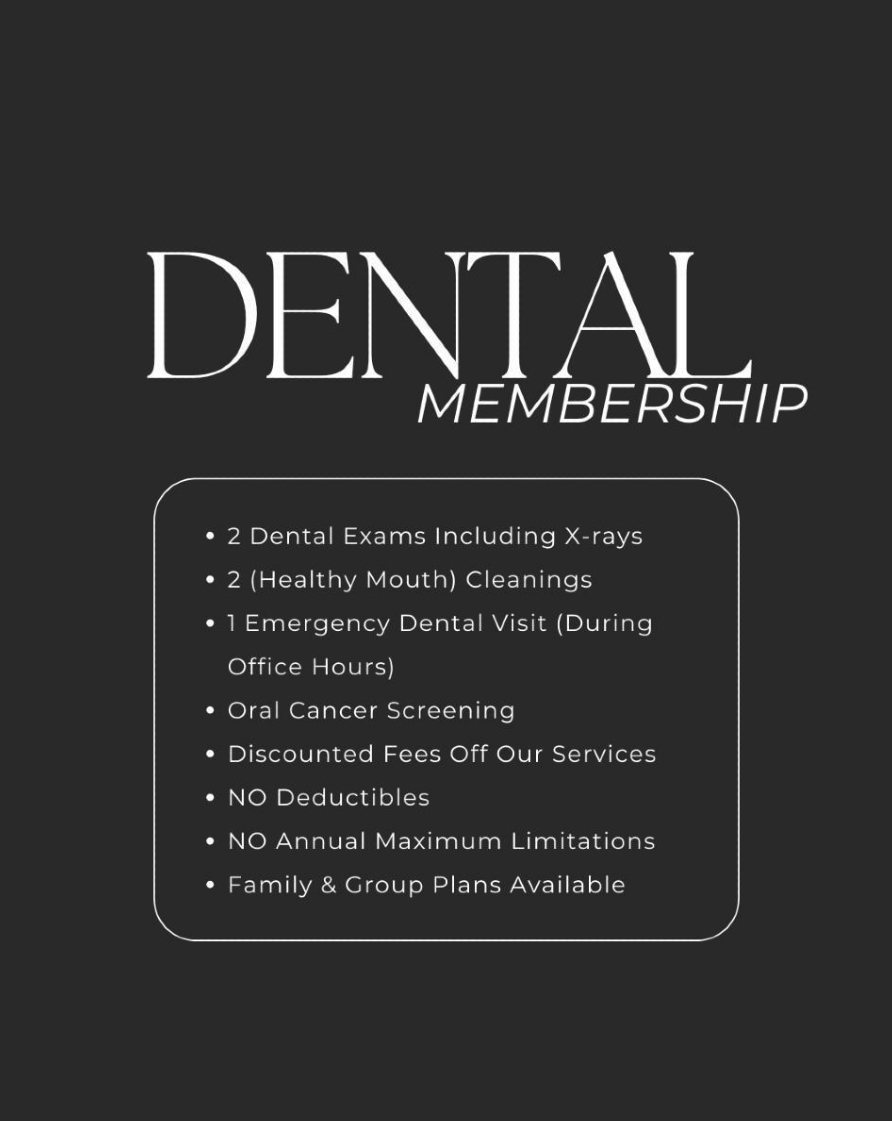
Looking for affordable dental plans in St. Louis?
We are excited to offer a membership plan for those patients who want to make Kirkwood Family Dental their home for dental care.
What to Expect Right After Your Cleaning
Most patients leave a cleaning appointment with teeth that feel noticeably smoother and cleaner than when they arrived. Some experience mild sensitivity along the gumline, which typically resolves within a day or two. Patients who had heavier tartar buildup or who showed signs of gum inflammation may notice more pronounced tenderness — this is normal and improves steadily as tissue calms.
If you received a fluoride treatment, you'll be asked to avoid eating, drinking, or rinsing for approximately 30 minutes to allow adequate absorption into the enamel. Beyond that window, you can return to your normal routine immediately.
For patients who received local anesthetic as part of a deep cleaning appointment, numbness will gradually wear off over a few hours. It's worth being cautious about eating during that time to avoid accidentally biting the cheek or tongue.
Before you leave, your next appointment will typically be scheduled at the front desk. Keeping that future appointment on the calendar — rather than waiting until the next reminder card arrives — is one of the simplest habits for staying on track with your preventative care over the long term.


At Kirkwood Family Dental, our expert team uses the latest techniques to transform your smile. See more before and after photos of smile makeovers. Contact us today to learn how we can help you experience a transformation firsthand.
Ready to learn about dental cleaning?
Contact our office today to schedule a no-pressure exam. We can’t wait to meet you!
Frequently Asked Questions About Dental Cleanings
How often should I get my teeth cleaned?
For most adults with healthy gums, twice a year — every six months — is the standard recommendation. Patients with a history of gum disease, a tendency toward rapid tartar buildup, or other contributing risk factors may be seen every three to four months. Your dentist will recommend a schedule based on your individual oral health status.
Can I eat before a dental cleaning?
Yes. There's no need to fast before a routine cleaning. If your appointment includes a fluoride treatment, plan to avoid eating or drinking for about 30 minutes afterward.
Will a cleaning hurt?
For patients with healthy gums and minimal tartar buildup, a routine cleaning is generally comfortable. Patients with inflamed gums or heavier buildup may find the scaling portion less comfortable. If you have concerns about sensitivity or dental anxiety, let your hygienist know before the appointment begins — they can adjust their pace and approach accordingly.
Is a deep cleaning the same as a regular cleaning?
No. A routine prophylaxis maintains healthy teeth and gums. A deep cleaning — scaling and root planing — is a therapeutic procedure for patients who have developed gum disease. It addresses bacterial deposits below the gumline on root surfaces, which a standard cleaning does not reach. Your hygienist and dentist will determine whether it's appropriate based on your periodontal measurements.
Will my teeth look whiter after a cleaning?
A professional cleaning removes surface stains and plaque, which can give teeth a noticeably brighter appearance. However, it is not a whitening treatment. For patients interested in whitening, professional options are available and most effective on recently cleaned teeth.
What should I do if I haven't been to the dentist in several years?
Schedule an appointment. Dental professionals are accustomed to seeing patients who have had gaps in care, and the approach is always supportive rather than critical. Your first appointment after a long absence will be more comprehensive and will likely take longer, but it's the right starting point for getting back on track.
Does dental insurance cover cleanings?
Most dental insurance plans cover routine cleanings and exams at or near 100%, typically twice per year. Coverage for deep cleanings varies by plan. If you're unsure about your benefits, your dental practice's administrative team can review your coverage before your appointment.
What happens if I skip my cleaning for a year or two?
Tartar accumulates continuously, and a longer gap means more buildup and a higher likelihood of gum inflammation. Your appointment will take longer, and a deep cleaning may be recommended rather than a standard prophylaxis. The encouraging reality is that with consistent care, gum health can be restored very effectively.
Work with the best dentists in St. Louis
Contact us today to schedule a comprehensive dental exam. We can’t wait to meet you!
Disclaimer
This article is intended for informational purposes only and does not constitute professional dental or medical advice. Individual dental health needs vary, and the timing, procedures, and recommendations described here may differ based on your specific oral health status, dental history, and the protocols of your dental provider. Dental treatment and preventative care needs are highly individual, and the information presented here is not a substitute for a personalized evaluation by a qualified dental professional. Always consult your dentist directly regarding your specific care needs, recommended cleaning frequency, and any concerns about your oral health.
