

Full Mouth Dental Implants Cost: Complete Pricing Guide
Pricing in this article reflects general national ranges for educational purposes only. Your actual costs will depend on your individual clinical needs and can only be determined through a comprehensive examination.
If you've spent any time researching full mouth dental implants, you've probably encountered price ranges wide enough to raise more questions than they answer. One source mentions $20,000. Another says $90,000. A third offers a "starting at" figure with little explanation of what that actually includes. It's understandable if you've closed a few browser tabs feeling more confused than when you started.
The honest explanation: full mouth dental implant pricing really is that variable — not because dental practices are being evasive, but because no two cases are alike. The total cost is shaped by your current oral health, the treatment approach that's right for your anatomy, the materials involved, the technology required, and where you receive care. Without understanding how these variables interact, any number you find online is nearly impossible to put in context.
This guide is designed to change that. We'll walk through each of the major full mouth implant approaches, what they realistically cost, and why those costs vary the way they do. We'll cover insurance realities, practical financing strategies, what to expect at a consultation, and an honest look at whether this investment makes sense over the long term. We'll also address some of the questions patients are often reluctant to ask out loud — including dental tourism and what happens when bone loss is significant. By the end, you'll have the context to evaluate your options with confidence rather than confusion.
What "Full Mouth Dental Implants" Actually Means
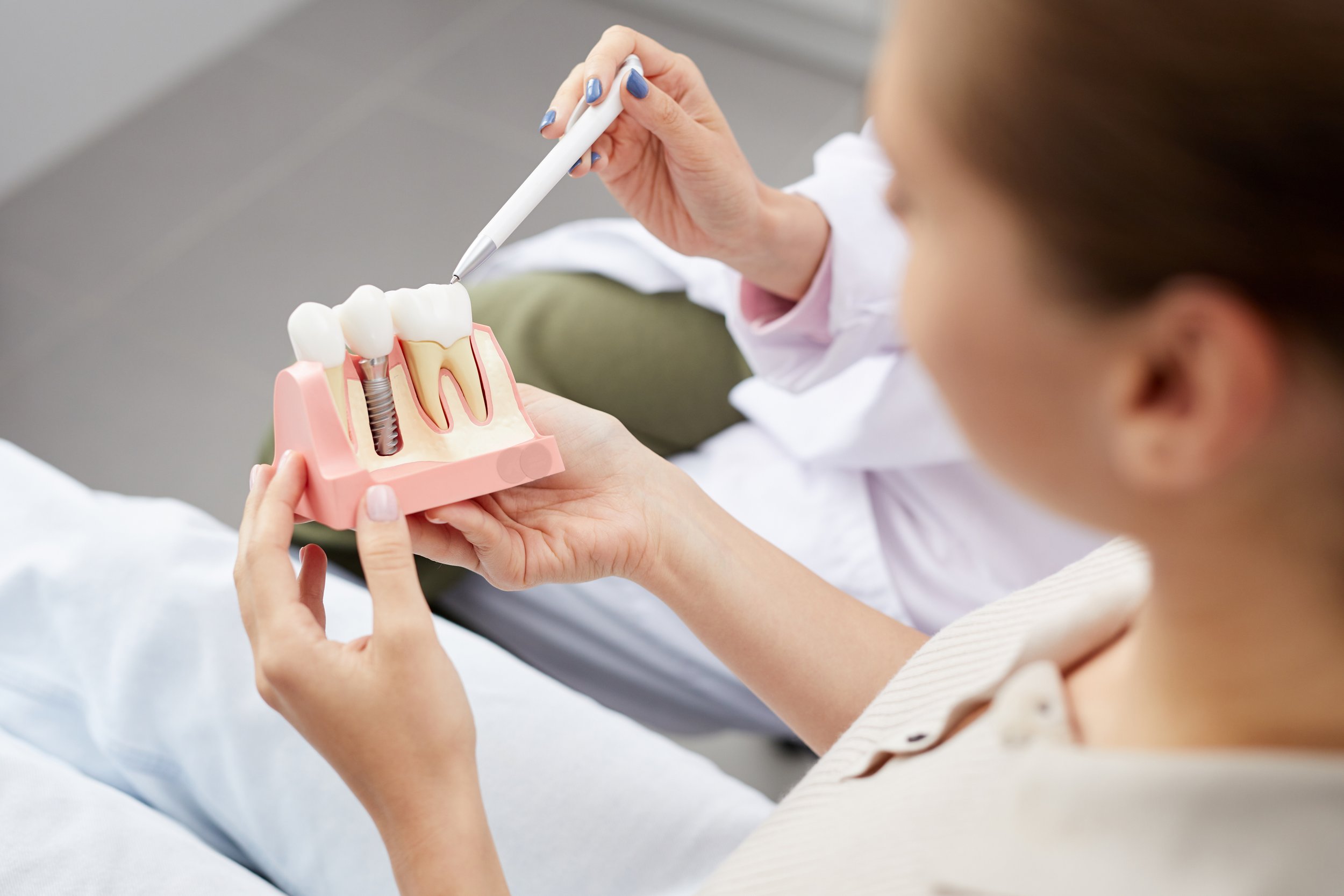
The phrase "full mouth dental implants" gets used as a catch-all, but it describes several different treatment approaches rather than a single procedure. What they all share is a common foundation: titanium implant posts placed surgically into the jawbone and allowed to fuse with the surrounding bone through a natural process called osseointegration. Once fusion is complete, these posts serve as stable anchors for replacement teeth.
The meaningful differences between full mouth implant options come down to how many implants are used, how the replacement teeth attach to them, and whether the final restoration is permanently fixed or designed to be removable. For someone who has lost — or needs to have removed — all or most of their teeth in one or both arches, the shared goal across all approaches is restored chewing function, natural-looking aesthetics, and the confidence that comes from not having to think about your teeth.
Which approach is appropriate requires a clinical evaluation. But understanding what each option involves and what it typically costs is something you can do right now — and that knowledge will make your eventual consultation considerably more productive.
Your Full Mouth Implant Options and What They Cost
At a Glance: General Cost Ranges
Before exploring each option in depth, here's where the major full mouth implant approaches typically fall nationally:
Individual implants for a full arch: $30,000–$90,000+
Implant-supported fixed bridge: $30,000–$45,000 per arch
All-on-4 / All-on-6: $25,000–$30,000 per arch
Implant-supported dentures (removable): $17,000–$25,000 per arch
These figures represent total treatment costs — including the implant posts, connecting abutment components, and final restorations — not per-implant costs. They generally do not include preparatory procedures like extractions or bone grafting, which are addressed in the next section.
Individual Implants for a Full Arch
Typical range: $30,000–$90,000+ total
Replacing every missing tooth with its own individual implant and crown is the most comprehensive approach available. Each tooth receives its own titanium root and custom-fabricated crown, creating a result that mirrors the anatomy of a healthy natural mouth as closely as modern dentistry can achieve. Individual implants stimulate bone at every tooth site and allow for independent maintenance of each tooth.
This approach is most appropriate for patients missing a moderate number of teeth who are in good overall oral health with sufficient bone density. For those missing all or nearly all teeth in an arch, the following options typically provide better value without significant compromise in outcomes.
Implant-Supported Fixed Bridges
Typical range: $30,000–$45,000 per arch
Rather than placing one implant per tooth, a fixed implant bridge uses four to six strategically positioned implants to support a full arch of replacement teeth. The bridge is secured to the implants with small screws and is not removable by the patient — it functions and is maintained like natural teeth, supplemented by specialized flossing tools to clean beneath the prosthetic.
Fixed implant bridges offer a strong middle ground: significantly fewer surgical sites than individual implant replacement, with the same day-to-day permanence and confidence. Because the bridge distributes chewing forces across multiple implants, fewer posts are needed without compromising stability or function.
All-on-4 and All-on-6
Typical range: $25,000–$30,000 per arch
All-on-4 is one of the most recognized approaches in modern full mouth restoration. Four implants — or six in the All-on-6 variation — are placed at specific angles in the jaw, allowing a full arch of fixed teeth to be supported with fewer surgical sites. In many cases, this technique allows patients to receive a provisional set of teeth the same day as surgery, a protocol commonly called "teeth in a day."
All-on-4 is particularly well-suited for patients who have experienced bone loss, because the angled posterior implant placement can often reduce or eliminate the need for bone grafting — a real advantage both clinically and financially. Individual anatomy varies, however, and some patients still require preparatory work beforehand.
It's worth noting that the same-day provisional is not the final restoration. The permanent prosthesis is placed after osseointegration is complete, typically three to six months after surgery.
Implant-Supported Dentures (Removable)
Typical range: $17,000–$25,000 per arch
Implant-supported dentures use two to four implants as anchor points for a removable denture. Unlike traditional dentures, which rest on the gums and can shift during eating or speaking, implant-supported dentures snap onto the implant posts and remain firmly in place throughout the day. They are removed nightly for cleaning and to allow gum tissue to rest.
This approach offers a notable improvement over conventional dentures at a lower cost than fixed implant options. For patients who are comfortable with a removable appliance and whose primary goal is to eliminate the slipping and insecurity of traditional dentures, this is often an excellent and cost-effective solution.


At Kirkwood Family Dental, we love to bring smiles back to life. Check out more before and after photos of smile makeovers and contact us today learn more about how we can help you improve or maintain your dental health.
What Actually Drives the Cost
Understanding why full mouth implant treatment costs what it does requires looking beyond the total number and understanding what goes into building it.
Number of implants. The most significant cost driver is how many posts are being placed. Each implant involves surgical placement, a healing period, and an abutment component connecting post to restoration. More implants mean more surgical time, more components, and more complexity — all of which are reflected in the final fee.
Preparatory procedures. Not every patient is ready for implants at the first appointment. Extractions, treatment for gum disease, and bone grafting are common prerequisites, particularly for patients who have experienced bone loss due to long-term tooth loss or periodontal disease. Bone grafting, depending on the extent of loss, can add $500 to $3,000 or more per site — a real component of total treatment cost that early estimates sometimes leave out.
Materials and restoration quality. Implant posts are almost universally titanium or zirconia, but the larger variable is typically the final restoration. Porcelain and zirconia prosthetics, custom-shaded for natural translucency and precisely shaped, cost considerably more than acrylic alternatives but provide superior aesthetics and long-term durability. In a high-end full arch restoration, the prosthetic materials represent a substantial portion of the total fee.
Imaging and treatment planning technology. Modern full mouth implant treatment relies on cone beam CT imaging, digital treatment planning, and in many cases guided surgical techniques that use a custom-fabricated template to place implants with exceptional precision. These tools improve outcomes and reduce procedural risk. Practices that have invested in this technology are charging more for a substantive reason.
Geographic location. Dental fees vary by region — sometimes considerably. Urban practices in higher cost-of-living markets charge more than practices in smaller communities not necessarily because quality is different, but because overhead, staffing, and laboratory costs are higher.
Provider experience. Complex implant cases require clinical judgment developed over years of practice and the ability to anticipate and manage complications. Practices with deep restorative experience and a sustained track record in full arch cases bring that depth to every patient they treat. Kirkwood Family Dental, for example, draws on more than three decades of comprehensive restorative care in Kirkwood, Missouri — the kind of longitudinal clinical experience that matters most when treatment is as involved as full mouth implant restoration. This is worth keeping in mind when comparing quotes: a lower fee from a provider with limited implant experience isn't always the better value when measured over a 20-year horizon.
Is the Investment Actually Worth It?
Full mouth dental implants represent one of the more significant financial commitments in elective healthcare, and it's reasonable to want an honest answer before moving forward. The answer depends on your priorities, but several dimensions deserve careful consideration.
Longevity compared to alternatives. Traditional dentures typically require replacement every seven to ten years. Implant posts, once fully integrated, have the potential to last decades with proper maintenance. The prosthetic components attached to them carry a somewhat shorter horizon — generally 15 to 25 years — but even accounting for eventual replacement, total implant costs over a 20- or 30-year period compare more favorably to alternatives than the upfront figure suggests.
Jawbone preservation. When teeth are lost and not replaced with implant-anchored restorations, the underlying jawbone gradually resorbs. This process changes facial structure, affects the fit of conventional dentures as the jaw continues to shrink, and can significantly complicate future treatment. Implants stimulate bone the way natural tooth roots do, preserving the jaw structure that supports everything else.
Quality of daily life. Eating without restriction, speaking without concern, and smiling without self-consciousness are things most people don't appreciate until they've lost them. The ability to enjoy a full and unrestricted diet — not just soft foods or carefully chosen menu items — is a quality-of-life improvement that's difficult to quantify but genuinely transformative for people who experience it. Many patients also report that the psychological relief of no longer managing a compromised or failing dentition is, on its own, worth a substantial part of the investment.
The cost of waiting. Bone loss is progressive. Patients who delay treatment often find that when they do move forward, more extensive preparatory work is needed. In some cases, prolonged delay makes certain implant options technically no longer viable. Addressing tooth loss earlier tends to preserve more options and reduce what treatment eventually costs.

Ready to learn about a membership plan?
Schedule an appointment today to learn how we can help improve the overall health and appearance of your smile.
Is the Investment Actually Worth It?
Full mouth dental implants represent one of the more significant financial commitments in elective healthcare, and it's reasonable to want an honest answer before moving forward. The answer depends on your priorities, but several dimensions deserve careful consideration.
Longevity compared to alternatives. Traditional dentures typically require replacement every seven to ten years. Implant posts, once fully integrated, have the potential to last decades with proper maintenance. The prosthetic components attached to them carry a somewhat shorter horizon — generally 15 to 25 years — but even accounting for eventual replacement, total implant costs over a 20- or 30-year period compare more favorably to alternatives than the upfront figure suggests.
Jawbone preservation. When teeth are lost and not replaced with implant-anchored restorations, the underlying jawbone gradually resorbs. This process changes facial structure, affects the fit of conventional dentures as the jaw continues to shrink, and can significantly complicate future treatment. Implants stimulate bone the way natural tooth roots do, preserving the jaw structure that supports everything else.
Quality of daily life. Eating without restriction, speaking without concern, and smiling without self-consciousness are things most people don't appreciate until they've lost them. The ability to enjoy a full and unrestricted diet — not just soft foods or carefully chosen menu items — is a quality-of-life improvement that's difficult to quantify but genuinely transformative for people who experience it. Many patients also report that the psychological relief of no longer managing a compromised or failing dentition is, on its own, worth a substantial part of the investment.
The cost of waiting. Bone loss is progressive. Patients who delay treatment often find that when they do move forward, more extensive preparatory work is needed. In some cases, prolonged delay makes certain implant options technically no longer viable. Addressing tooth loss earlier tends to preserve more options and reduce what treatment eventually costs.
How People Actually Pay for Full Mouth Implants
Full mouth implant treatment is rarely covered the way patients hope, but there are more tools available for managing the cost than most people realize going in.
Dental insurance. Most plans provide limited coverage for implants, if any. Implants are typically classified as a "major" restorative procedure, and annual maximums of $1,000 to $2,000 don't go far against full mouth treatment costs. Some plans offer better coverage for preparatory work like extractions or bone grafting, which can offset part of the total. Bring your benefits documentation to your consultation — a knowledgeable dental team can help you understand exactly what's covered and, when possible, structure treatment to make the most of your annual benefit across multiple calendar years.
HSA and FSA accounts. Both Health Savings Accounts and Flexible Spending Accounts can be used for dental implant treatment and are funded with pre-tax dollars — effectively reducing your real cost by your marginal tax rate, typically 20 to 30 percent. For patients planning ahead, maximizing HSA contributions in the years leading up to treatment is a straightforward and genuinely useful financial strategy.
Third-party financing. Most practices offer patient financing through providers like CareCredit or LendingClub. These programs frequently include 12- to 18-month interest-free promotional periods, and longer-term plans at fixed rates are available for larger treatment amounts.
Phased treatment. Treating the upper and lower arches in separate calendar years is a practical strategy that makes the total investment more manageable and may allow insurance benefits to reset between phases.
In-house membership plans. Some practices offer annual membership plans with discounts on major restorative work for a flat yearly fee — worth asking about, particularly for patients without employer-sponsored dental coverage.
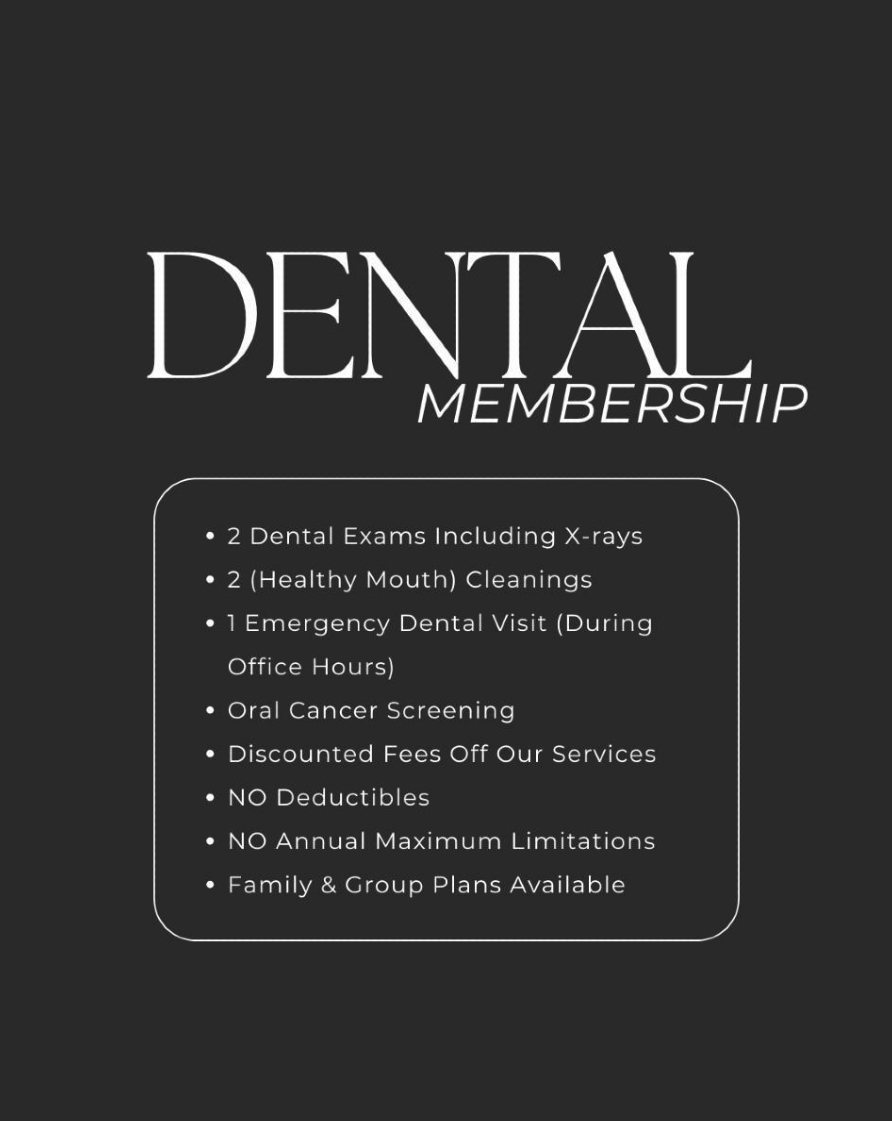
Looking for affordable dental plans in St. Louis?
We are excited to offer a membership plan for those patients who want to make Kirkwood Family Dental their home for dental care.
What to Expect at Your Consultation
A consultation for full mouth implant treatment is meaningfully different from a routine dental visit. Plan for it to take more time and to involve more diagnostic work than a standard checkup.
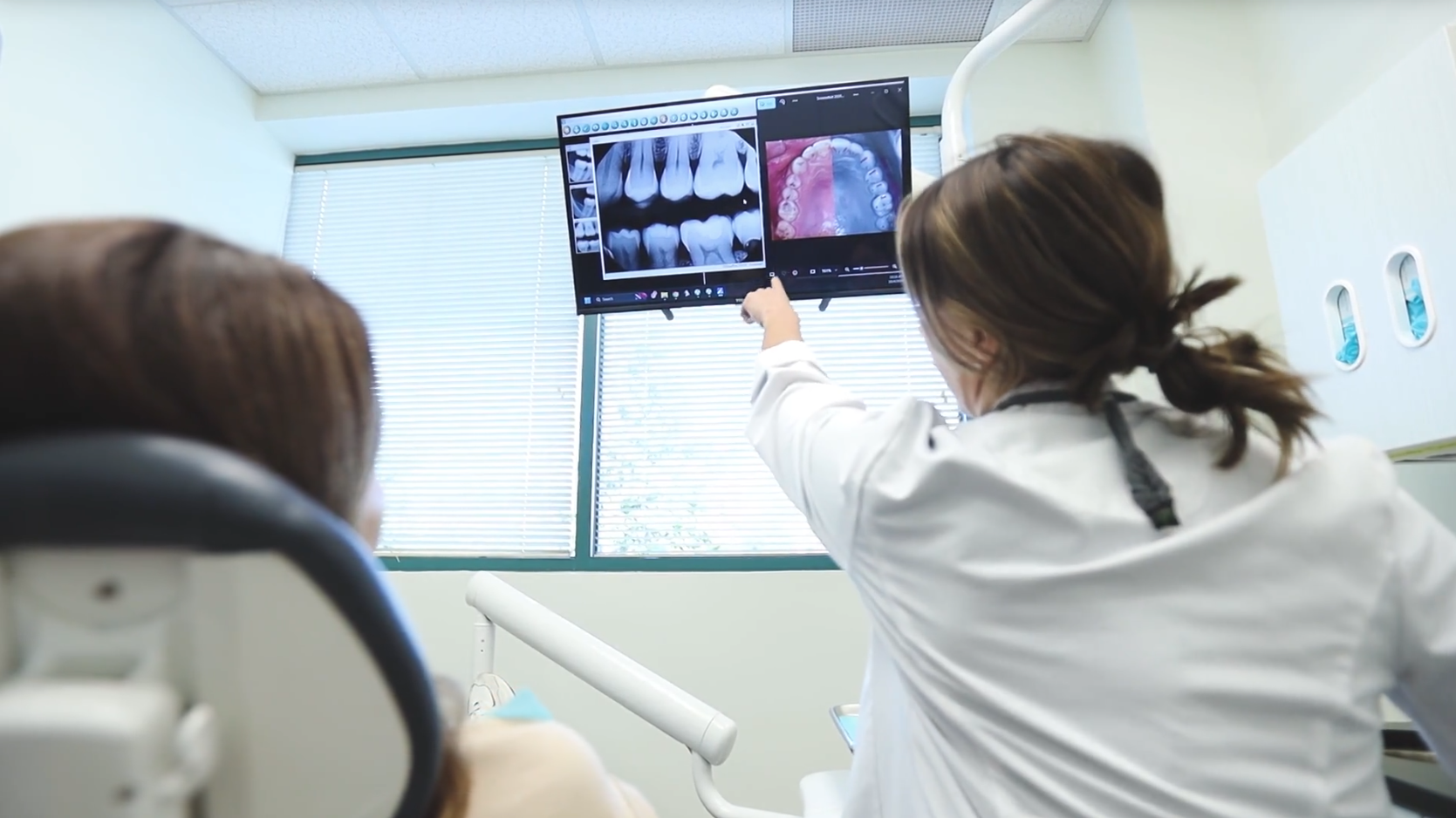
Your provider will typically begin with a thorough review of your dental and medical history. Systemic conditions — including diabetes, autoimmune issues, and a history of medications such as bisphosphonates — can affect implant candidacy and should be discussed openly. A clinical examination of your teeth, gums, and bite will follow, along with cone beam CT imaging, which produces a three-dimensional map of your jaw structure, bone density, and nerve pathways. This imaging is the foundation of any honest treatment plan and cost estimate.
From there, your provider will walk you through the options appropriate for your specific anatomy and goals, with a full breakdown of costs, timeline, and what each phase involves.
Come prepared with your insurance information and questions about financing. It's also reasonable to ask about the practice's specific experience with full arch cases, what technology is used in surgical planning, and what follow-up care looks like after placement — including how adjustments and any complications are handled in the months following surgery. A well-run consultation leaves you with a clear treatment plan, a transparent fee schedule, and enough information to make a genuinely informed decision — on your own timeline, without pressure.


At Kirkwood Family Dental, our expert team uses the latest techniques to transform your smile. See more before and after photos of smile makeovers. Contact us today to learn how we can help you experience a transformation firsthand.
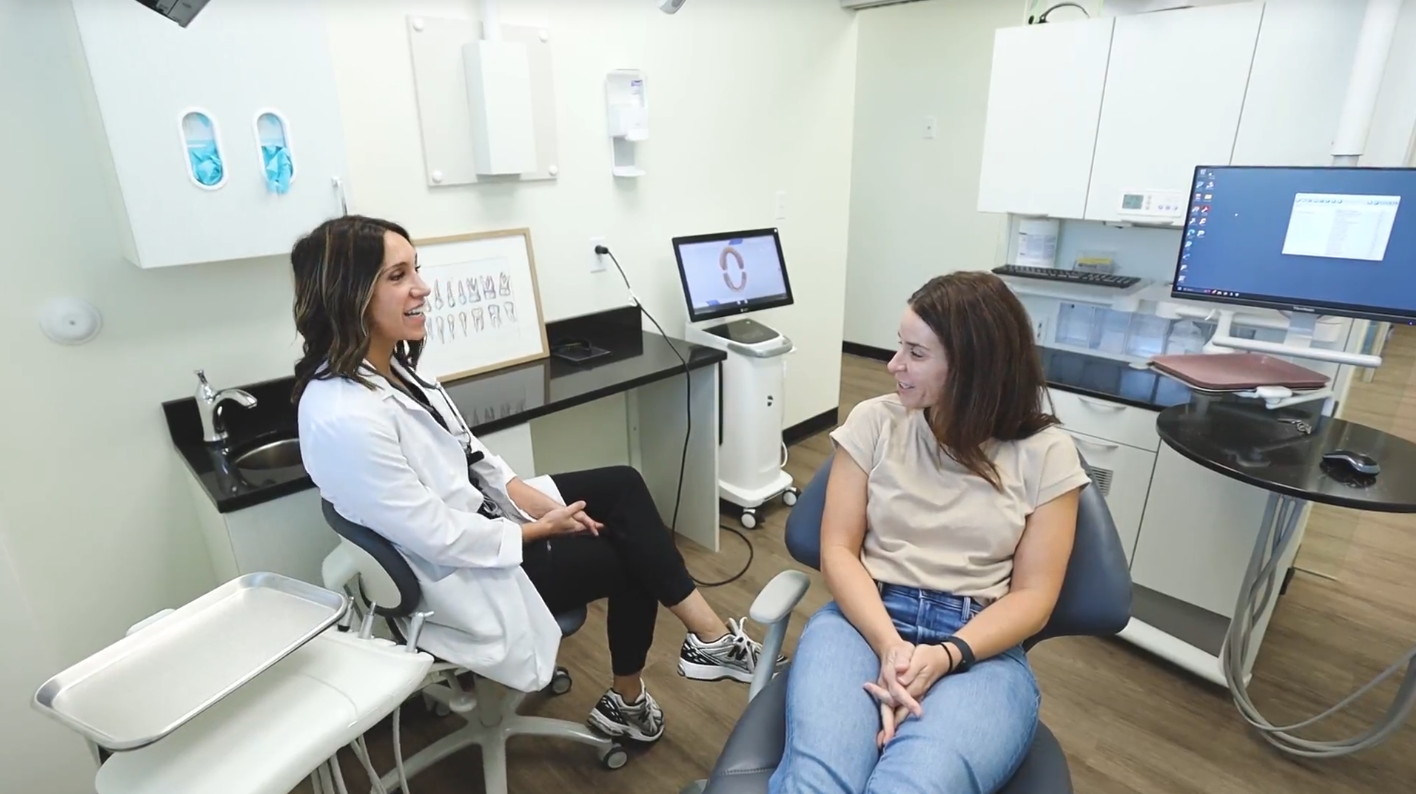
Ready to learn about dental implants?
Contact our office today to schedule a no-pressure exam. We can’t wait to meet you!
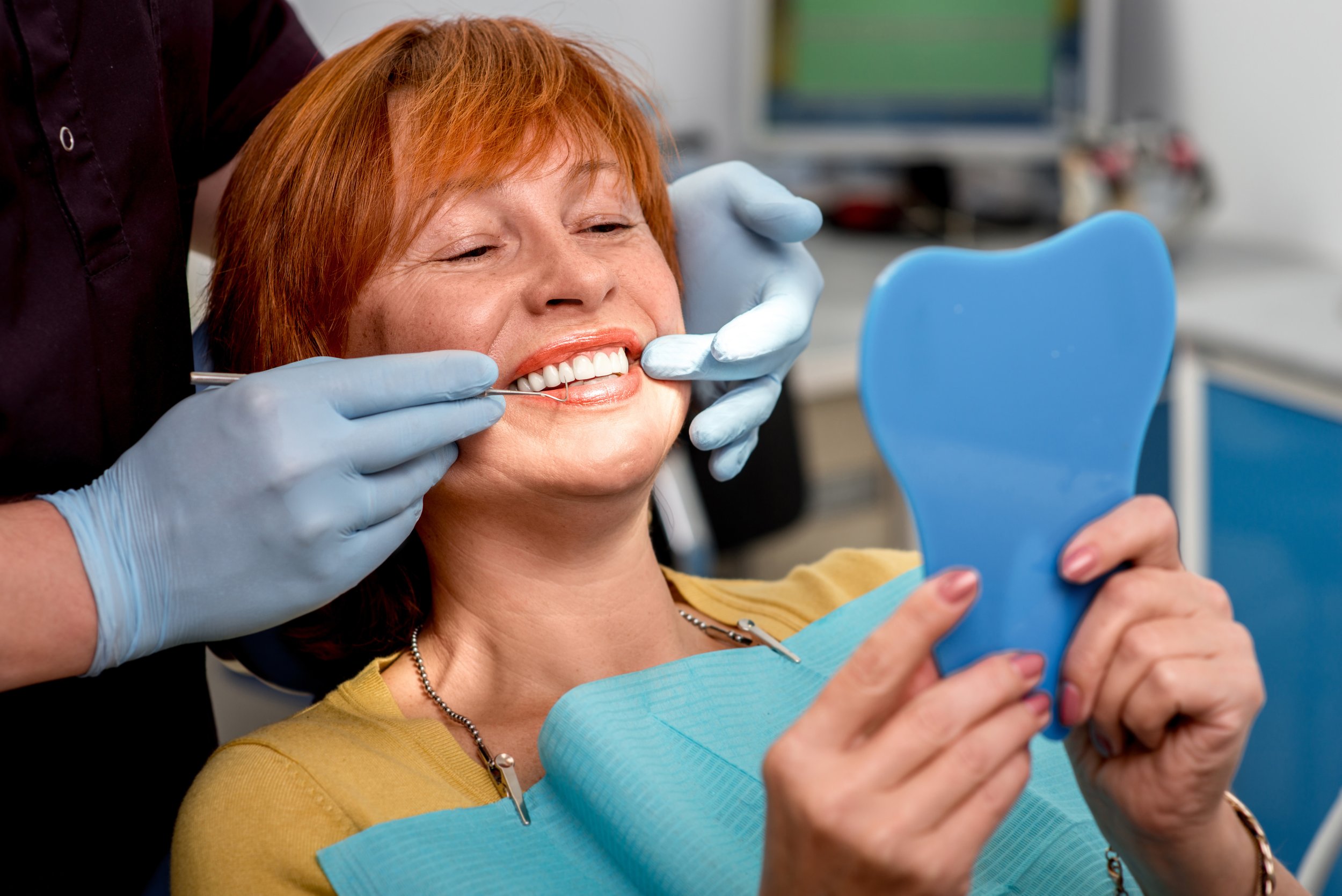
Frequently Asked Questions - Dental Implants
How long does the full mouth implant process take from start to finish?
The timeline varies based on treatment approach and individual healing. Same-day protocols like All-on-4 can provide a temporary restoration on the day of surgery, but the final prosthesis isn't placed until osseointegration is complete — usually three to six months later. Cases requiring bone grafting may add several months to the overall timeline. From initial consultation to final restoration, most patients should plan for a process spanning six months to over a year.
Is the procedure painful?
Implant surgery is performed under local anesthesia, and sedation options are available at most practices. Most patients report that the experience is more manageable than they anticipated. Post-surgical discomfort is typically controlled with prescribed or over-the-counter medication and tends to resolve within a few days to a week. Swelling and some bruising in the days following surgery are common and normal.
What if I don't have enough jawbone for implants?
Bone loss is one of the most common concerns patients raise, and it doesn't disqualify most people. Bone grafting can restore adequate volume in many situations. For patients with more significant bone loss, the angled implant placement used in All-on-4 protocols is designed to work around areas of reduced density, often without requiring grafting. The only way to know what your situation requires is through a cone beam CT evaluation.
What about getting implants abroad to save money?
Dental tourism to countries like Mexico, Costa Rica, or Turkey is a real option some patients pursue, and the savings can be substantial. The trade-offs are also real: limited recourse if complications arise, difficulty coordinating follow-up care domestically, and considerable variability in implant brands, materials, and clinical standards across international markets. If you're considering this path, verify credentials and clinical standards carefully, and establish a relationship with a local provider who is equipped to manage any complications after your return.
How long do implants last?
Implant posts, once fully integrated, are designed for long-term function — many last 20 to 30 years or more, and some are considered functionally permanent. The restorations attached to them have a somewhat shorter lifespan: 15 to 25 years is a reasonable expectation depending on material, wear patterns, and oral hygiene. Regular dental care and avoiding habits that stress the prosthesis — such as grinding — are the most important factors in long-term success.
What is the difference between All-on-4 and implant-supported dentures?
The key distinction is whether the restoration is fixed or removable. All-on-4 and fixed implant bridges are permanently attached to the implants and can only be removed by your dentist. Implant-supported dentures snap onto the implant posts for excellent daytime stability but are removed by the patient each evening for cleaning. Both represent a significant improvement over conventional dentures; the right choice depends on your goals, budget, and clinical anatomy.
Will my replacement teeth look natural?
Modern implant restorations are designed with considerable attention to aesthetics — color matching, translucency, surface texture, and tooth proportion are all part of the fabrication process. The level of customization available has expanded significantly in recent years. In well-executed fixed implant restorations, the result is typically indistinguishable from natural teeth to anyone who isn't examining them clinically.
Work with the best dentists in St. Louis
Contact us today to schedule a comprehensive dental exam. We can’t wait to meet you!
Disclaimer
The content in this article is provided for general educational purposes only and does not constitute dental advice, a clinical diagnosis, or a treatment recommendation. Full mouth dental implant treatment is highly individualized, and appropriate options — along with associated costs — can only be determined through a comprehensive examination by a licensed dental professional. Pricing ranges cited throughout this guide reflect general national averages and may not accurately represent costs in your specific area or for your specific clinical situation. Individual results vary. Always consult a qualified dental provider before making any decisions regarding your dental health or treatment plan.
