

Prescription Fluoride Toothpaste: Your Guide to Professional-Strength Cavity Protection

Please note: Dental treatment recommendations can vary significantly based on geographic location, individual needs, and specific dental practices. Always consult with a qualified dental professional for personalized advice regarding your specific oral health needs.
Most people choose their toothpaste based on flavor, whitening claims, or whatever's on sale. So when a dentist hands over a prescription for toothpaste, the reaction is usually some version of: wait, that's actually a thing?
It is—and the difference goes beyond marketing. Prescription fluoride toothpaste contains up to 5,000 parts per million of fluoride, more than three times the concentration found in standard over-the-counter options. That higher concentration matters in specific situations: recurring cavities despite consistent brushing, dry mouth caused by medications, exposed root surfaces, or teeth under extra stress during orthodontic treatment.
This guide covers what prescription fluoride toothpaste actually is, who benefits from it, and how to use it correctly—so you can have a more informed conversation with your dentist about whether it belongs in your routine.
What Prescription Fluoride Toothpaste Actually Is
Prescription fluoride toothpaste looks remarkably similar to what you'd find at your local pharmacy, but the key difference lies in fluoride concentration.
The Fluoride Concentration Difference
Over-the-counter toothpaste typically contains 1,000 to 1,500 parts per million (ppm) of fluoride. This concentration provides effective cavity protection for most people when combined with regular dental care.
Prescription fluoride toothpaste contains significantly higher concentrations, typically 5,000 ppm of fluoride—more than three times the strength of standard toothpaste. Some formulations designed for specific clinical situations may contain even higher concentrations, though 5,000 ppm represents the most commonly prescribed strength.
This increased concentration allows for more effective remineralization of tooth enamel—a process where fluoride helps rebuild weakened enamel by encouraging mineral deposits to reform in areas where acid exposure has caused damage. When you use fluoride toothpaste, the fluoride ions interact with the mineral structure of your teeth, creating a stronger, more acid-resistant surface. Higher concentrations accelerate this process, making prescription strength particularly valuable when teeth face elevated decay risk or have already experienced significant mineral loss.
Why a Prescription is Required
The prescription requirement exists for important safety reasons. Higher fluoride concentrations require proper use instructions to maximize benefits while minimizing potential risks. Your dentist evaluates your specific oral health situation, determines whether the increased concentration is appropriate, and provides detailed guidance on proper use.
Common Prescription Fluoride Brands
Several well-established brands manufacture prescription fluoride toothpaste, including Prevident 5000, Clinpro 5000, and PreviDent Gel. Your dentist will recommend a specific brand based on your individual needs and any other oral health considerations.
Some formulations come as traditional paste, while others are available as gels. Both delivery methods provide effective fluoride treatment when used properly, and the choice often comes down to personal preference and specific clinical needs.
Who Actually Benefits from Prescription Fluoride Toothpaste
Prescription fluoride toothpaste isn't necessary for everyone, but it can make a significant difference for individuals facing specific oral health challenges.
High Cavity Risk Individuals
Some people experience multiple cavities in recent years, even while maintaining consistent brushing and flossing habits. Multiple factors contribute to this elevated risk, including genetics, diet, mouth chemistry, and bacterial balance. The enhanced protection from prescription fluoride toothpaste provides valuable additional benefit when standard concentration isn't sufficient.
Dry Mouth Sufferers
Saliva plays a crucial role in oral health by neutralizing acids, washing away food particles, and providing minerals that help repair early tooth damage. When saliva production decreases—whether from medications, medical conditions, cancer treatments, or natural age-related changes—cavity risk increases significantly.
Prescription fluoride toothpaste helps compensate for reduced saliva protection by providing stronger fluoride concentration to support enamel strength when your natural defenses are compromised.
Orthodontic Patients
Braces create additional challenges for maintaining optimal oral hygiene. The brackets, wires, and bands create numerous small spaces where plaque can accumulate. Many orthodontic patients benefit from prescription fluoride toothpaste during their treatment period to provide extra protection while teeth are more vulnerable, helping ensure that when braces come off, patients reveal beautiful, straight teeth without new cavities.
People Experiencing Sensitivity
Tooth sensitivity often occurs when enamel wears thin or gums recede, exposing the more sensitive underlying tooth structure. Prescription fluoride toothpaste can help strengthen enamel and reduce sensitivity over time by promoting remineralization in areas where mineral loss has occurred.
Many patients find that consistent use significantly reduces the discomfort they experience with hot, cold, sweet, or acidic foods and beverages—often noticing improvement within a few weeks.
Exposed Root Surfaces
When gums recede due to periodontal issues, aggressive brushing, or natural aging, tooth roots become exposed. Root surfaces lack the protective enamel covering that protects the crown portion of teeth, making them particularly vulnerable to decay.
Prescription fluoride toothpaste provides crucial protection for these exposed root surfaces, helping prevent root cavities that can be particularly challenging to treat once they develop.
Radiation Therapy Patients
Individuals undergoing radiation therapy for head and neck cancers face significant oral health challenges. Radiation can damage salivary glands, dramatically reducing saliva production and creating extremely high cavity risk. Prescription fluoride toothpaste becomes an essential component of oral care for these patients, helping protect teeth during and after cancer treatment.
Medication-Related Concerns
Numerous medications list dry mouth as a side effect, including many commonly prescribed drugs for blood pressure, depression, anxiety, allergies, and pain management. If you take medications that reduce saliva production, prescription fluoride toothpaste provides valuable additional protection against the increased cavity risk these medications create.
Age-Related Considerations
As we age, our oral health needs often change. Older adults may experience gum recession, reduced saliva production, or take medications that affect oral health. Prescription fluoride toothpaste helps address these age-related challenges by providing enhanced protection when teeth need extra support.


At Kirkwood Family Dental, we love to bring smiles back to life. Check out more before and after photos of smile makeovers and contact us today learn more about how we can help you improve or maintain your dental health.
The Real Benefits: What Prescription Strength Can Do
Understanding the specific advantages of prescription fluoride toothpaste helps clarify how it differs from over-the-counter options and why your dentist might recommend this stronger formulation.
Cavity Prevention vs. Reversal
While prescription fluoride toothpaste excels at preventing new cavities, it's important to maintain realistic expectations. This professional-strength option can reverse very early tooth decay in the initial demineralization stage before a cavity fully forms—when the damage exists only at the microscopic level as weakened enamel.
However, it cannot reverse cavities that have already developed into structural defects requiring fillings. Think of prescription fluoride toothpaste as a powerful preventive tool that stops early decay from progressing and prevents new damage from starting. Existing cavities require professional dental treatment.
Sensitivity Reduction Mechanism
The enhanced fluoride concentration helps strengthen enamel in areas where mineral loss has created sensitivity. As the remineralization process rebuilds these weakened areas, the pathways that allow temperature and pressure sensations to reach the nerve become blocked, gradually reducing discomfort with consistent use.
Long-Term Protection Investment
Using prescription fluoride toothpaste when your dentist recommends it represents an investment in preserving your natural tooth structure. The enhanced protection helps you avoid the need for fillings, crowns, and other restorative treatments that become necessary when cavities develop.
This preventive approach aligns with modern dentistry's focus on maintaining natural teeth in optimal condition throughout your lifetime, preventing problems rather than simply treating them after they occur.

Ready to upgrade your smile?
Schedule an appointment today to learn how we can help improve the overall health and appearance of your smile.
How to Use Prescription Fluoride Toothpaste Correctly
Proper use of prescription fluoride toothpaste maximizes its benefits while ensuring safety.
Proper Application Technique
Use a small amount of prescription fluoride toothpaste—approximately the size of a pea. This amount provides sufficient fluoride coverage while minimizing any excess that might be swallowed. Brush thoroughly for two minutes, ensuring that the toothpaste reaches all tooth surfaces, paying particular attention to areas your dentist has identified as being at higher risk.
Timing is Critical
The most effective time to use prescription fluoride toothpaste is right before bed. During sleep, saliva production naturally decreases, creating an ideal environment for fluoride to work undisturbed for extended periods. This prolonged contact time—potentially six to eight hours—enhances the remineralization process significantly.
Some individuals use prescription fluoride toothpaste twice daily, while others use it only at night and use regular toothpaste in the morning. Your dentist will provide specific recommendations based on your individual needs.
The No-Rinse Rule
After brushing with prescription fluoride toothpaste, avoid rinsing your mouth with water or mouthwash. Simply spit out the excess toothpaste and leave the remaining fluoride film on your teeth. This allows the fluoride to continue working throughout the night.
Similarly, avoid eating or drinking anything for at least 30 minutes after use. This waiting period allows maximum fluoride absorption and extends the beneficial contact time between fluoride and your tooth enamel. Many patients find that making this their absolute last activity before bed helps ensure they don't accidentally eat or drink afterward.
Integration with Your Complete Oral Care Routine
Prescription fluoride toothpaste enhances but doesn't replace your regular oral care routine. Continue flossing daily, maintaining thorough twice-daily brushing, and keeping regular dental checkups and professional cleanings.
Your dentist will provide guidance on whether to use prescription fluoride toothpaste for both daily brushings or just nighttime use, based on your specific cavity risk factors and oral health goals.
Duration of Use
Some individuals use prescription fluoride toothpaste indefinitely as part of their ongoing oral care routine, while others use it for specific periods to address particular concerns. The duration depends on whether your cavity risk factors are temporary (like orthodontic treatment) or ongoing (like chronic dry mouth from long-term medications).
Regular dental checkups allow your dentist to evaluate whether continued use remains beneficial or whether you can transition back to over-the-counter options once your cavity risk has decreased.
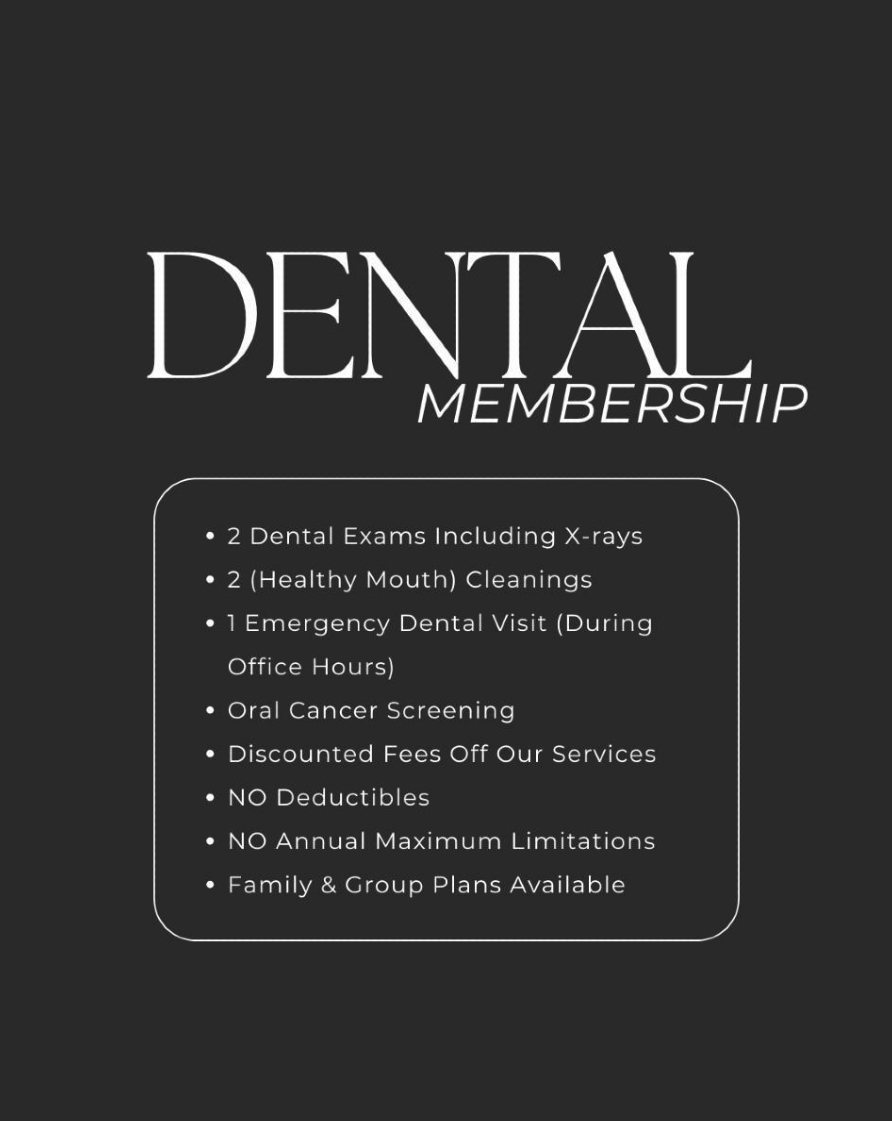
Looking for affordable dental plans in St. Louis?
We are excited to offer a membership plan for those patients who want to make Kirkwood Family Dental their home for dental care.
The Insurance and Cost Reality
Understanding the financial aspects of prescription fluoride toothpaste helps you make informed decisions about incorporating this option into your oral care routine.
What to Expect at the Pharmacy
Prescription fluoride toothpaste generally costs between $15 and $30 for a standard tube. A single tube typically lasts two to three months when used as directed, making the annual cost approximately $60 to $120 more than standard toothpaste.
While this represents a higher initial investment than the $5 to $8 you might spend on over-the-counter toothpaste, the additional cost becomes more reasonable when considered in the context of the protection it provides.
Insurance Coverage Considerations
Many dental insurance plans provide coverage for prescription fluoride toothpaste when your dentist documents elevated cavity risk or other qualifying conditions. Coverage typically requires a prescription and may be subject to your plan's deductible or copayment structure.
Checking with your insurance provider before filling your prescription helps clarify what portion of the cost you'll be responsible for and whether any prior authorization is required. Some plans limit coverage to one tube per specific time period, while others may cover it more frequently based on your documented need.
The Prevention vs. Treatment Economics
When evaluating value, consider that a single filling can easily cost several hundred dollars, while more extensive treatments like crowns can reach into the thousands. If prescription fluoride toothpaste prevents even one cavity over several years of use, it more than pays for itself while also preserving your natural tooth structure and avoiding the inconvenience and discomfort of dental treatment.
Where to Fill Your Prescription
Prescription fluoride toothpaste is available at most pharmacies, though you may need to request it specifically as it's not typically stocked on regular shelves with over-the-counter toothpaste. Some dental offices also dispense prescription fluoride toothpaste directly, which can be convenient if your insurance allows it.
Online pharmacies may offer competitive pricing, though shipping costs should be factored into your comparison shopping. Ask your dentist's office if they have recommendations for the most cost-effective options in your area.


At Kirkwood Family Dental, our expert team uses the latest techniques to transform your smile. See more before and after photos of smile makeovers. Contact us today to learn how we can help you experience a transformation firsthand.
Potential Concerns and Side Effects to Using Prescription Fluoride Toothpaste
Understanding potential concerns associated with prescription fluoride toothpaste helps you use it safely and know when to contact your dentist with questions.
Fluorosis Risk in Context
Dental fluorosis refers to changes in tooth enamel appearance caused by excessive fluoride exposure during tooth development. This condition only affects developing teeth in children under age eight, when permanent teeth are still forming beneath the gums.
For adults, fluorosis is not a concern since adult teeth have already completed their development. The appearance of your teeth will not be affected by proper use of prescription fluoride toothpaste, regardless of how long you use it.
Proper Use in Children
Children under age six generally should not use prescription fluoride toothpaste unless specifically prescribed and supervised by a pediatric dentist. Young children are more likely to swallow toothpaste rather than spitting it out completely, and the higher fluoride concentration requires careful oversight to prevent excessive ingestion.
If prescription fluoride toothpaste is recommended for a child, parents should supervise every use, dispense the exact amount recommended, ensure the child uses only the prescribed amount, and verify that the child spits out the toothpaste thoroughly rather than swallowing it. Keep the toothpaste stored safely out of children's reach, just as you would with medications.
Safe Handling Guidelines
Prescription fluoride toothpaste is designed for topical use on teeth, not for ingestion. While accidentally swallowing a small amount during normal use poses minimal risk for adults, you should make conscious effort to spit out all toothpaste after brushing.
If a child accidentally swallows a significant amount of prescription fluoride toothpaste, contact your dentist or local poison control center for guidance. The concern with ingesting large amounts relates to potential stomach upset rather than serious toxicity, but professional guidance ensures appropriate response.
When to Contact Your Dentist
Most people experience no side effects from prescription fluoride toothpaste when using it as directed. However, contact your dentist if you experience unusual symptoms like persistent stomach upset, mouth irritation, unusual taste changes that don't resolve, or any other concerns related to use.
Your dentist can evaluate whether these symptoms relate to the toothpaste, adjust your usage instructions, or recommend alternative options if needed.
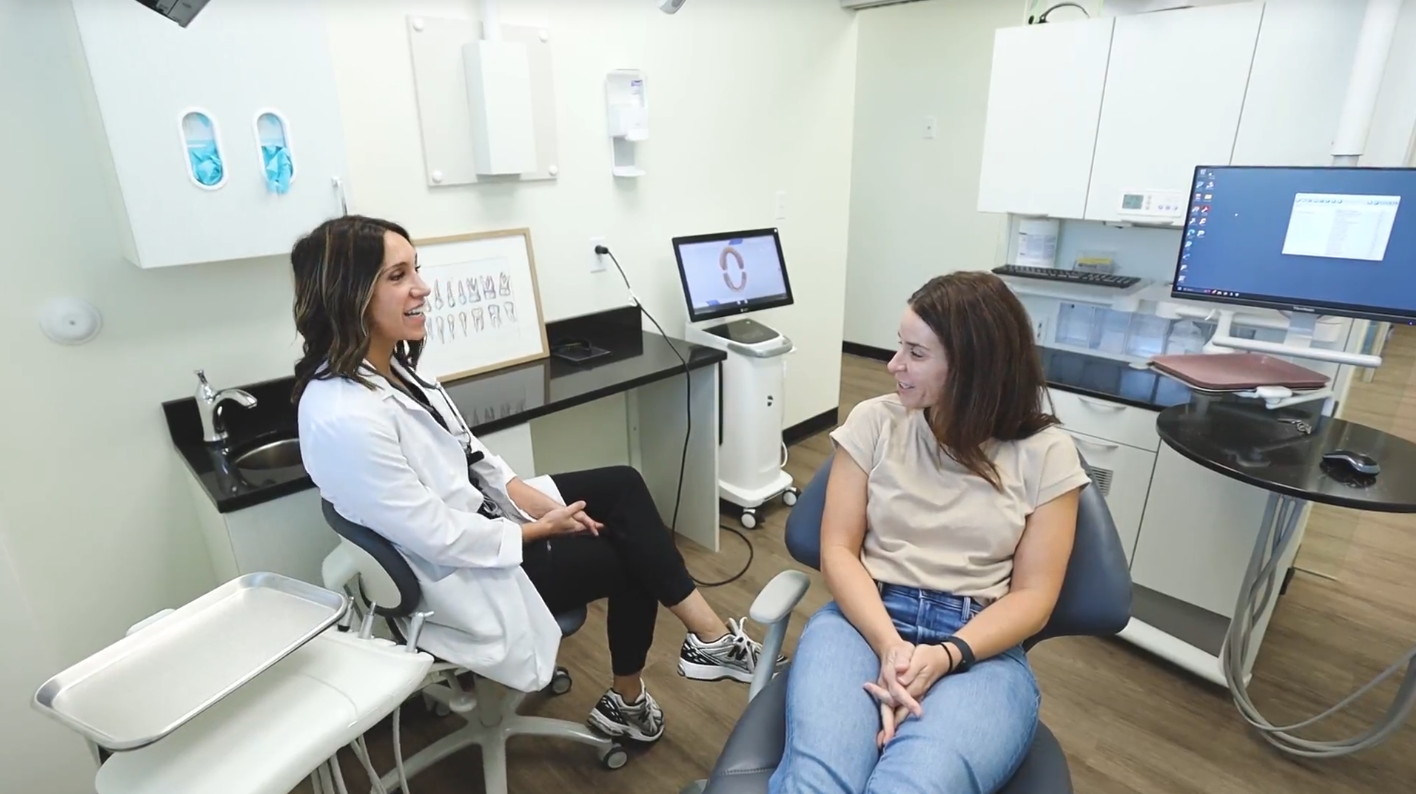
Let’s keep your smile healthy!
Contact our office today to schedule a no-pressure exam. We can’t wait to meet you!
Alternatives and Complementary Approaches
Prescription fluoride toothpaste often works best as part of a comprehensive approach to cavity prevention. Understanding complementary strategies enhances your overall oral health outcomes.
Professional Fluoride Treatments
In-office fluoride treatments provide high-concentration fluoride application during dental visits. These professional treatments use even higher fluoride concentrations than prescription toothpaste—often 12,000 to 22,000 ppm—applied as varnishes, gels, or foams.
Your dentist may recommend combining professional fluoride treatments with prescription toothpaste for individuals at particularly high cavity risk, creating a multi-layered approach to protection. Professional treatments are typically applied every three, six, or twelve months, depending on your individual risk factors.
Dietary Considerations for Cavity Prevention
What you eat and drink significantly impacts cavity risk in ways that even prescription fluoride toothpaste cannot completely counteract. Limiting sugary and acidic foods and beverages reduces the acid exposure that causes enamel demineralization.
Particularly problematic are frequent snacking on sugary foods and sipping acidic beverages throughout the day, which creates constant acid attacks on your teeth. Staying well-hydrated with water helps maintain healthy saliva flow that provides natural cavity protection through its buffering and remineralizing properties.
Additional Protective Strategies
Other measures that complement prescription fluoride toothpaste include using an antiseptic or fluoride mouthwash at different times of day than your prescription toothpaste use, chewing sugar-free gum containing xylitol after meals to stimulate saliva production and neutralize acids, maintaining meticulous oral hygiene through proper brushing technique and daily flossing, and considering dental sealants on particularly vulnerable teeth.
When Additional Interventions Become Necessary
For some individuals with extremely high cavity risk—such as those with severe dry mouth from medical conditions or treatments—prescription fluoride toothpaste alone may not provide sufficient protection. Additional interventions might include more frequent professional cleanings (every three months instead of six), prescription fluoride rinses used at different times than the toothpaste, custom fluoride trays for more intensive at-home application, or other specialized treatments.
Regular communication with your dental team ensures that your preventive strategy addresses your specific needs and adjusts as those needs change over time.
Making the Decision: Is It Right for You?
Determining whether prescription fluoride toothpaste could benefit your oral health involves honest assessment of your current situation and clear communication with your dental team.
Questions to Consider
Reflect on these aspects of your oral health:
Have you experienced multiple cavities recently? Do you suffer from chronic dry mouth? Are you currently undergoing orthodontic treatment? Do you experience frequent tooth sensitivity? Have you noticed gum recession? Do you take medications that cause dry mouth? Have you undergone radiation therapy to the head or neck area?
If you identified with any of these situations, prescription fluoride toothpaste might provide valuable additional protection for your teeth.
Starting the Conversation with Your Dentist
Your regular dental checkups provide ideal opportunities to discuss whether prescription fluoride toothpaste could benefit your oral health. Come prepared with questions about your cavity risk factors and whether enhanced fluoride protection might help you maintain healthier teeth.
Be specific about any concerns you've noticed—increased sensitivity, changes in your medication regimen that might affect saliva production, or anxiety about developing more cavities despite your best preventive efforts. This information helps your dentist make appropriate recommendations tailored to your situation.
The Comprehensive Care Perspective
The decision about prescription fluoride toothpaste fits within the broader context of your overall oral health care. Dental practices that take a comprehensive approach to preventive care understand that cavity prevention involves multiple strategies working together to support long-term oral health.
Kirkwood Family Dental, with their three decades of experience in family dentistry, exemplifies this comprehensive approach—recognizing that effective preventive care involves understanding each patient's unique needs, risk factors, and goals, then developing personalized strategies that may include prescription fluoride toothpaste as one component of maintaining optimal oral health.
When you work with a dental team committed to prevention and personalized care, decisions about tools like prescription fluoride toothpaste become part of a thoughtful approach to preserving your natural teeth in optimal condition throughout your lifetime.

Prescription Fluoride Toothpaste FAQs:
Can children use prescription fluoride toothpaste? Children under age six should generally not use prescription fluoride toothpaste unless specifically prescribed by a pediatric dentist and used under direct parental supervision. Children over age six may use it when appropriate, but supervision remains important to ensure proper use and prevent swallowing.
How long does a tube typically last? A standard tube lasts two to three months when used once or twice daily as directed. Using only a pea-sized amount for each brushing extends the product's lifespan while providing effective protection.
Can I use it with whitening products? Generally yes, though timing matters. Use prescription fluoride toothpaste as directed by your dentist, and if you also use whitening products, apply them at different times of day to avoid any interaction between products.
Will my insurance cover it? Many dental insurance plans cover prescription fluoride toothpaste when your dentist documents elevated cavity risk or qualifying conditions. Check with your insurance provider before filling your prescription to understand your out-of-pocket costs.
Can I buy it without a prescription? No. The higher fluoride concentration requires a prescription for important safety reasons. Your dentist must evaluate whether prescription strength is appropriate for your situation.
How quickly will I see results? Many people notice reduced sensitivity within a few weeks of consistent use. Cavity prevention benefits develop gradually over months and years of regular use and become apparent through fewer cavities at dental checkups.
Can it reverse existing cavities? Prescription fluoride toothpaste can reverse very early tooth decay in the initial demineralization stage before a cavity fully forms. However, it cannot reverse cavities that have already developed into structural defects. Existing cavities require professional dental treatment.
Should I use it once or twice daily? Your dentist will provide specific recommendations based on your needs. Many patients use prescription fluoride toothpaste at night and regular toothpaste in the morning, while others use prescription strength for both daily brushings.
Can it stain my teeth? Prescription fluoride toothpaste does not stain teeth when used as directed. The formulation is designed to strengthen enamel and prevent decay, not cause discoloration.
How should I store it? Store it at room temperature in a safe location out of children's reach. Keep the cap tightly closed when not in use to maintain product quality and prevent accidental ingestion by children or pets.
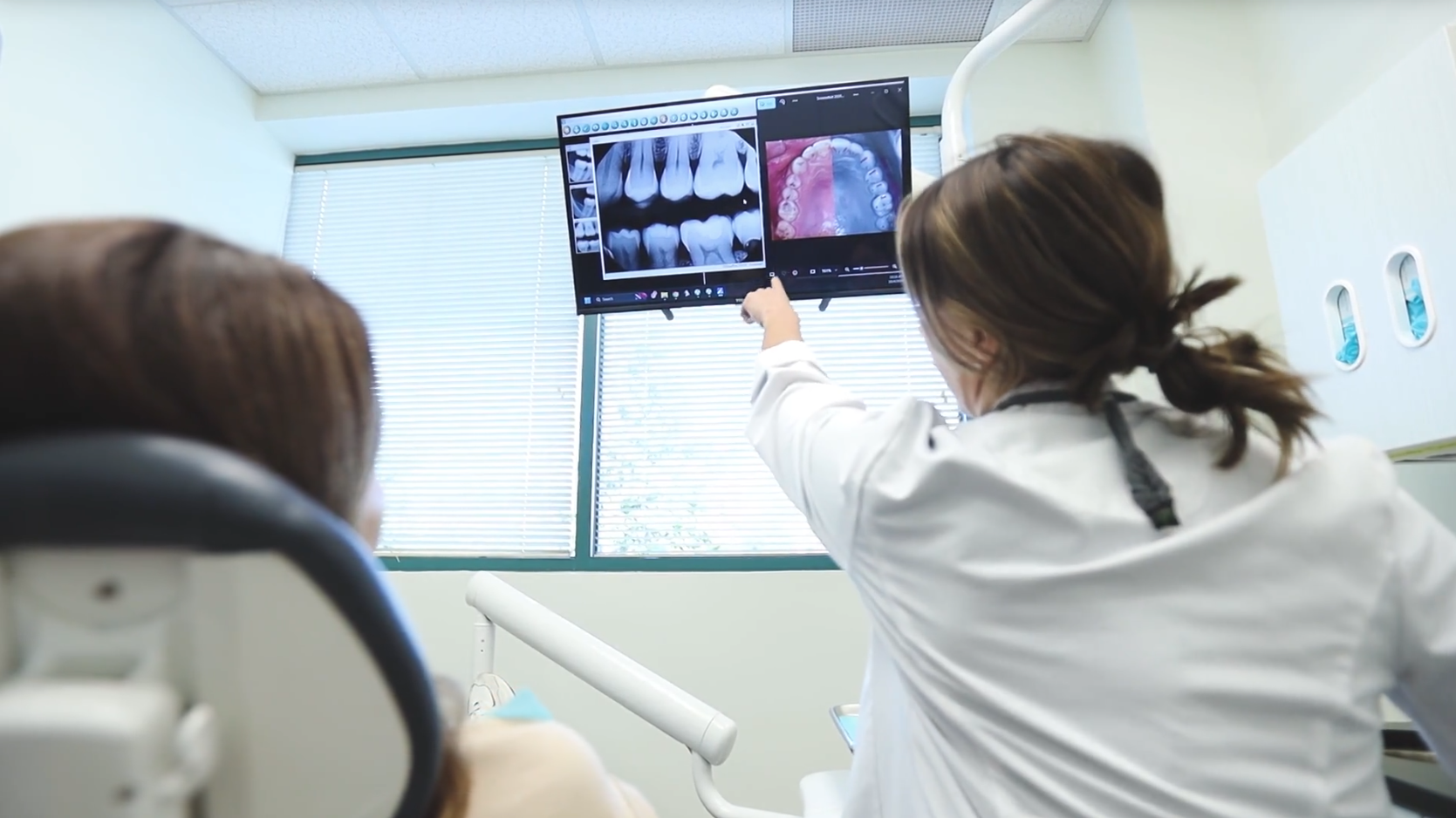
Work with the best dentists in St. Louis
Contact us today to schedule a comprehensive dental exam. We can’t wait to meet you!
Disclaimer
This article is for informational purposes only and should not be considered medical or dental advice. The costs, procedures, and information discussed may vary based on individual circumstances, geographic location, and specific dental practices. Always consult with a qualified dental professional for personalized advice regarding your specific dental needs and treatment options.
Individual results from using prescription fluoride toothpaste may vary based on oral hygiene habits, diet, underlying health conditions, and consistent product use. This information does not replace professional dental consultation, examination, or diagnosis. If you have dental concerns or questions about whether prescription fluoride toothpaste is appropriate for your situation, please contact a qualified dental professional in your area.
