

How to Choose the Best Dentist for Your Family in St. Louis — Without the Guesswork

Please note: Dental treatment recommendations can vary significantly based on geographic location, individual needs, and specific dental practices. Always consult with a qualified dental professional for personalized advice regarding your specific oral health needs.
Finding a great family dentist in St. Louis should be straightforward — but for most families, it turns out to be anything but. Tabs open, reviews half-read, and no clear way to tell which practice is genuinely excellent and which just has a nice website.
St. Louis has a strong dental community with skilled, caring practitioners who take a real interest in their patients. The challenge is that "good dentist" and "the right fit for your whole family" are not always the same thing. Without a clear framework for evaluating your options, it's easy to end up in a practice that works well enough for adults but falls short for children — or one that looks comprehensive on the surface but doesn't deliver the full-family experience you're actually looking for.
This guide gives you that framework. Whether you're new to the St. Louis area, starting fresh with a growing family, or finally ready to find something better than what you have, you'll know exactly what to look for by the time you're done reading.
Why This Decision Matters More Than People Realize
It's tempting to treat choosing a dentist as a purely logistical decision — proximity, hours, whether they take your insurance. Those factors matter, but they're not the whole picture, and families who choose on convenience alone often find themselves locked into a practice that doesn't serve them well for the long haul.
Dental health is cumulative. The experiences your children have in a dental chair before age ten shape how they approach oral health for the rest of their lives. A provider who dismisses a nervous child isn't just giving a bad cleaning — they're planting a seed of anxiety that follows that kid into adulthood, leading to avoidance, delayed treatment, and real consequences. A practice that takes time to make a five-year-old feel like a VIP during their first visit, on the other hand, is investing in a patient who grows up comfortable with dental care because they don't dread the process.
For adults, continuity of care is one of the most undervalued assets in healthcare. Your dentist should know your upper left molar has been sensitive since 2019, that you grind your teeth under stress, and that you prefer a numbing gel before injections. That kind of institutional knowledge only develops over time, with the right provider.
Choosing well upfront saves years of frustration, money, and mediocre care.
What “Family Dentist” Actually Means
The term gets thrown around loosely, so let's be precise. A family dentist is a general dentist who sees patients across the age spectrum — toddlers through grandparents — under one roof. This is meaningfully different from a pediatric dentist, who specializes exclusively in children and typically stops seeing patients once they reach their mid-teens, and a general dentist who technically accepts all ages but hasn't created an environment or approach that works well for children.
A true family practice means your four-year-old and your seventy-four-year-old parent can both be patients at the same place. It means you can schedule back-to-back appointments and be done in a single trip. It means the staff knows how to talk to a nervous eight-year-old and how to discuss implant options with a retiree in the same afternoon, with the same warmth and competence.
It also means the scope of services available under one roof is broad enough that you're not constantly being referred out. When a family dentist handles preventive care, restorative work, cosmetic treatments, orthodontics, and everything in between, your family builds one relationship with one trusted practice rather than maintaining a patchwork of specialists you barely know.
For busy families in St. Louis, this consolidation is not a luxury — it's a genuine quality-of-life improvement.


At Kirkwood Family Dental, we love to bring smiles back to life. Check out more before and after photos of smile makeovers and contact us today learn more about how we can help you improve or maintain your dental health.
Eight Things to Look For When Choosing a Family Dentist in St. Louis
1. Comprehensive Services Under One Roof
The range of services a practice offers tells you a lot about its ambition and its investment in its patients. A practice that handles only cleanings and basic fillings is fine for routine maintenance, but the moment your teenager needs clear aligners or your spouse needs a crown, you're being shuffled off to someone else's care.
Look for a practice that covers preventive care, restorative treatments (fillings, crowns, implants, dentures), cosmetic services (whitening, veneers, smile makeovers), and ideally orthodontic options. The more comprehensive the menu, the more likely your family can stay in one place as your needs evolve — and the more likely that provider genuinely understands how these different areas of care interact.
2. Credentials That Go Beyond the Diploma on the Wall
Every licensed dentist has a degree. What distinguishes great practitioners is what they've done with it since graduation. Look for evidence of continuing education — advanced training in areas like implantology, cosmetic dentistry, sedation, or digital imaging. Ask whether the dentists at a practice actively pursue new techniques and technologies, or whether their approach to dentistry hasn't changed since they graduated.
In Missouri, dentists are required to complete continuing education hours to maintain licensure, but the minimum required and the amount a genuinely committed practitioner pursues are very different numbers. The best practitioners don't stop learning because they have to — they do it because dentistry keeps advancing and their patients deserve the benefit of that progress.
3. An Environment That Works for the Whole Family (Including the Nervous Ones)
Walk into the waiting room before you ever sit in a chair. Does it feel clinical and cold, or does it feel like someone put thought into making it welcoming? Is there something for kids to do, or are they expected to sit quietly with a stack of outdated magazines? Is the front desk staff attentive and warm, or does the check-in process feel like an afterthought?
This matters because dental anxiety is extremely common — and it's often shaped by early experiences in the chair. A practice that has invested in a calming, welcoming environment is signaling something real about its values: that the patient experience matters from the moment you walk in, not just once you're in the treatment room. That's not a small distinction.
For families with children, pay particular attention to how the team engages with kids. Do they get down to eye level? Do they explain what they're doing in terms a child can understand? Do they take a moment to acknowledge a child's bravery — a first X-ray, a cleaning without tears — or does the appointment feel purely transactional? The right practice treats a child's comfort as a clinical priority, not an afterthought.
4. Modern Technology and Techniques
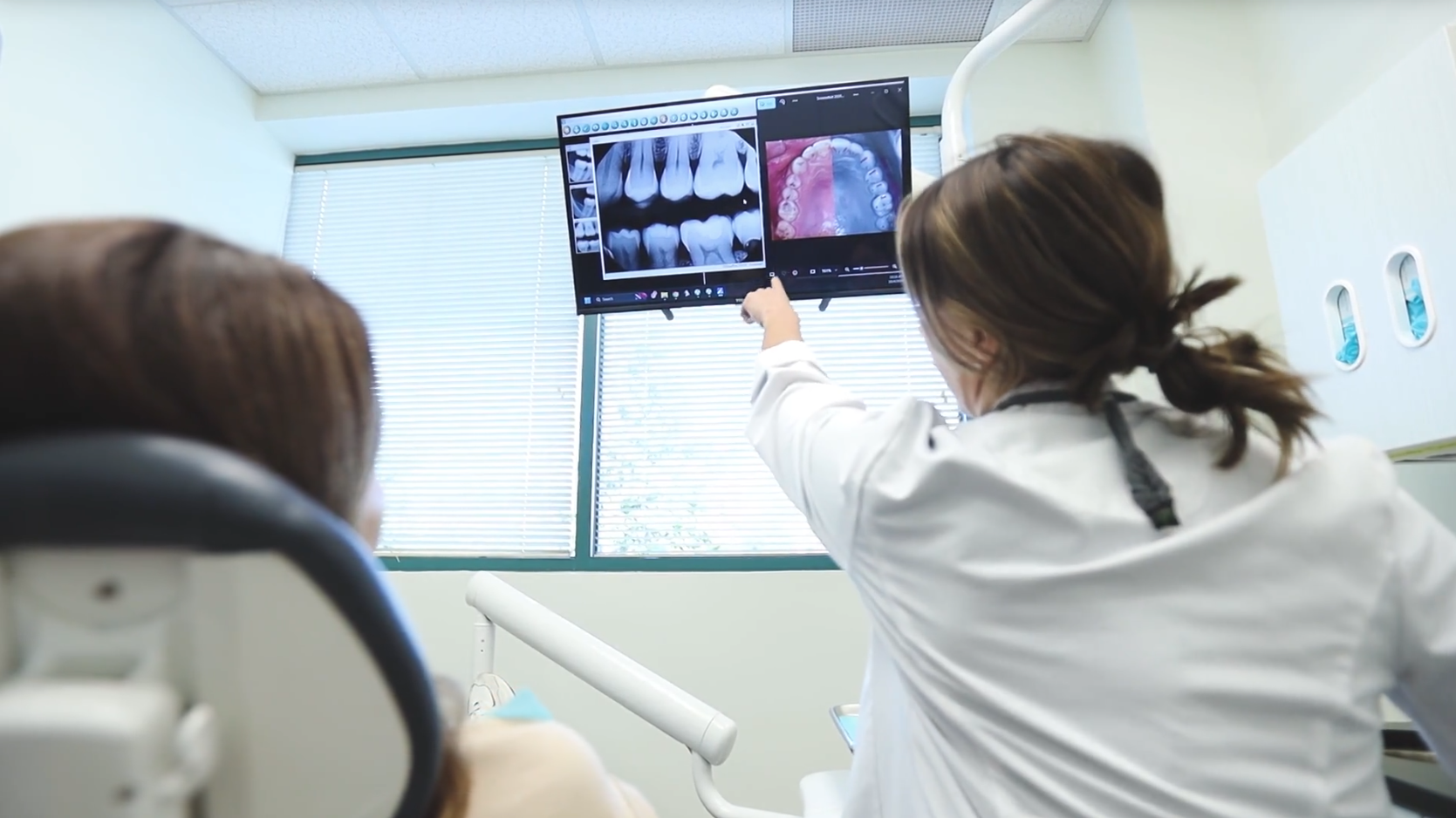
Dentistry has changed dramatically in the last two decades, and not all practices have kept pace. Digital X-rays expose patients to significantly less radiation than traditional film and produce images that can be enlarged, enhanced, and shared instantly. Intraoral cameras let patients see exactly what the dentist sees, which is both educational and trust-building. Same-day crowns, laser treatments, and 3D imaging represent meaningful advances in patient experience and clinical precision.
A practice that has invested in modern technology is one that takes its craft seriously and respects its patients' time and comfort. It also tends to be a practice where the team is engaged and up-to-date — because you don't upgrade your equipment if you're not also upgrading your knowledge.
Ask what technology a practice uses, and notice whether the answer comes with genuine enthusiasm or a vague non-answer that suggests the question isn't something they think about much.
5. Transparent Communication and Patient Education
One of the most reliable signals of a great dental practice is how it communicates. Does the dentist explain what they're seeing and why they're recommending a particular treatment? Do they give you options and walk through the trade-offs, or do they simply present a treatment plan without context? Do they invite questions, or does the appointment feel rushed?
Great dental care is a collaboration. It requires you to understand your own oral health well enough to make informed decisions — and it requires a provider who sees that as part of their job. A dentist who takes the time to show you images, explain the reasoning behind recommendations, and genuinely answer your questions is not just being nice. They're practicing better medicine.
For families, this communication style extends to children. Explaining to a child what's happening and why — in language they can actually follow — is part of building a healthy relationship with dental care that lasts a lifetime.
6. Hours That Work for Real Families
The best dental care in St. Louis doesn't help you if you can't actually get there. Think about your family's real schedule: school drop-offs, work meetings, after-school activities, weekend commitments. Can the practice accommodate appointments before nine or after five? Do they offer Saturday hours? How far in advance do you typically have to book a routine cleaning?
A practice built for families understands that dental appointments have to compete with everything else in a packed household calendar. Extended or flexible hours aren't a perk — for many families, they're the difference between actually keeping appointments and perpetually rescheduling them.
7. Insurance, Membership Plans, and Financing Options
Cost is a real factor for most families, and a good practice acknowledges that without making you feel embarrassed about it. Find out what insurance plans a practice accepts, whether they file claims on your behalf, and how transparent they are about what's covered versus what you'll pay out of pocket before treatment begins — not after.
For families without dental insurance, increasingly common in an era of high-deductible plans and freelance work, in-house membership plans can be a great solution. These typically offer preventive care (cleanings, exams, X-rays) for a flat fee, with discounts on other services, cutting out the insurance middleman entirely. It's worth asking whether a practice offers this option and what it covers.
Financing options matter too. Major restorative or cosmetic work can involve high costs, and a practice that partners with patient financing programs — or offers its own payment arrangements — is one that's thinking about its patients' real-world circumstances.
8. Reputation and Community Presence in the St. Louis Area
Online reviews are imperfect but useful. Look for patterns rather than outliers — a handful of one-star reviews over ten years tells a very different story than fifty reviews that consistently mention the same concerns. Pay particular attention to how a practice responds to negative reviews: a defensive, dismissive response is a red flag, while a thoughtful, solution-oriented reply says something positive about how the team handles problems.
Community presence matters in a different way. Practices that have been part of a neighborhood for years — that sponsor local events, that are recognized by local media, that patients genuinely recommend to their neighbors — tend to be there because they've earned it. In a city like St. Louis, where community ties run deep and word of mouth still carries real weight, longevity and local reputation are worth paying attention to.

Ready to find the best dentist in St. Louis?
Schedule an appointment today to learn how we can help improve the overall health and appearance of your smile.
Signs a Practice May Not Be the Right Fit
Not every practice that looks good on paper delivers the experience you're hoping for. A few things are worth paying attention to before you commit.
How a practice handles its front desk tells you a great deal about how it's run overall. If you feel dismissed, overlooked, or like your arrival is an inconvenience, that's worth noting. Administrative culture tends to reflect the broader culture of the practice.
If a dentist recommends multiple treatments at your very first visit without explanation or prioritization, it's reasonable to ask questions or seek a second opinion. Thorough dentists take time to explain what's time-sensitive versus what can be monitored — that kind of clarity should be evident from the start.
The physical environment of a practice also matters. An office that feels well-maintained and up-to-date generally reflects a team that's actively investing in the quality of care it provides. The reverse can also be true.
Finally, pay attention to how you feel after your first appointment. Did you leave with a clear understanding of your dental health? Did you feel heard? Were your questions welcomed? Those impressions matter — a strong patient-provider relationship is built from the very first visit, and you should feel it from day one.
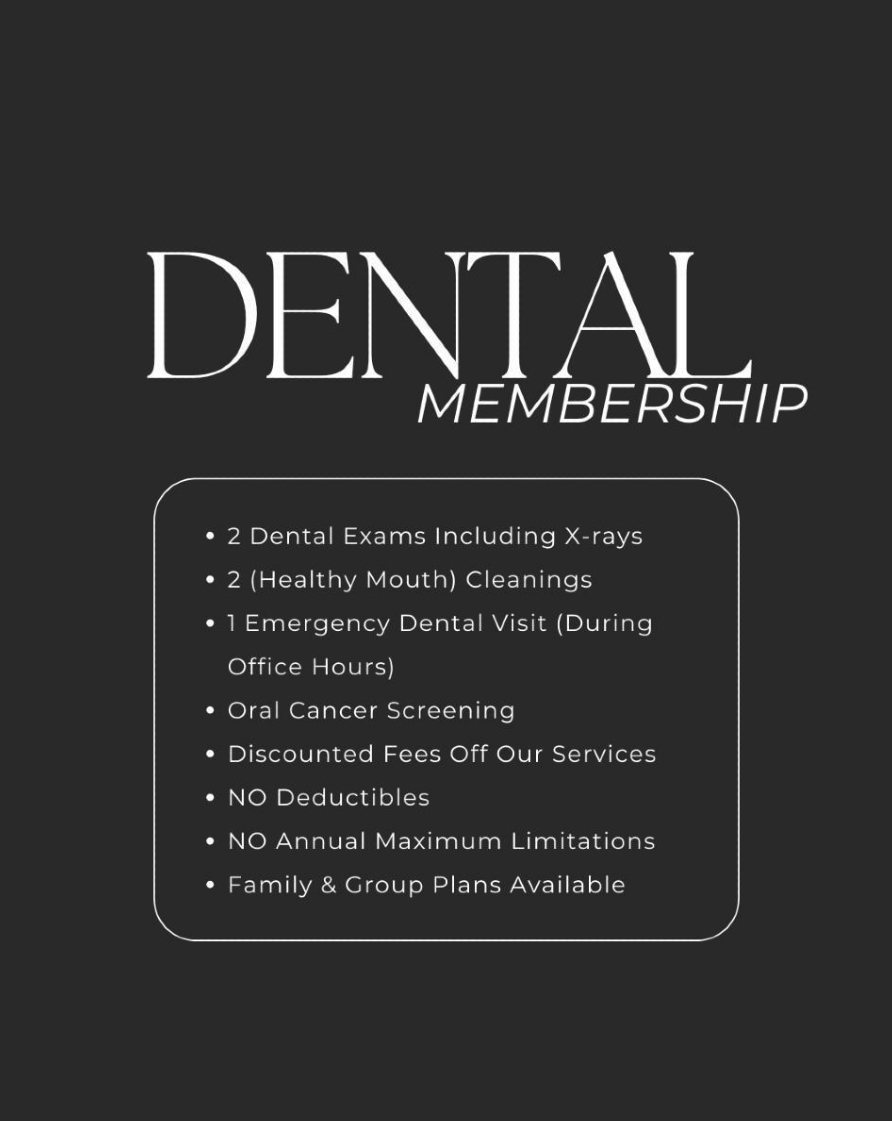
Looking for affordable dental plans in St. Louis?
We are excited to offer a membership plan for those patients who want to make Kirkwood Family Dental their home for dental care.
How to Actually Start Your Search in St. Louis
St. Louis is a big city with a strong neighborhood identity, and dental care tends to follow the same logic. Kirkwood, Webster Groves, Brentwood, Clayton, South City, Maplewood, Chesterfield — each part of the metro has its own cluster of established practices, and proximity to home or your kids' school is a legitimate factor when you're thinking about how often you'll realistically get there.
Start with your network. Ask neighbors, coworkers, and school parents — the kind of referral that comes from someone who has actually sat in the chair and brought their kids there is worth ten five-star reviews from strangers. People in St. Louis are remarkably willing to talk about their favorite local businesses, and "do you like your dentist?" is a more useful question than it sounds.
Then do your own research. Look at the practice website with a critical eye: does it tell you who the dentists are, what their training looks like, and what the practice philosophy is? Or is it mostly stock photos and a list of services? A practice that has invested in communicating who they are and what they stand for is one that thinks about the patient experience before the patient ever walks in.
If you're in the Kirkwood or South St. Louis County area, Kirkwood Family Dental is one practice that comes up consistently among families who have done exactly this kind of searching. With over 30 years of serving the area, a full-spectrum approach to care that covers preventive through cosmetic and restorative treatments, and a deliberate philosophy around making dental visits feel genuinely welcoming rather than merely tolerated, it represents the kind of practice the criteria above are designed to help you find.
Once you have a short list, call. Notice how the phone is answered, how your questions are handled, and whether you feel welcomed or processed. Then book a new patient appointment and pay attention to every part of the experience — not just what happens in the chair.


At Kirkwood Family Dental, our expert team uses the latest techniques to transform your smile. See more before and after photos of smile makeovers. Contact us today to learn how we can help you experience a transformation firsthand.
What a Great First Visit Actually Looks and Feels Like
A great first appointment is more than a cleaning and an X-ray. It's a mutual introduction — you learning about the practice, the practice learning about you, your history, your concerns, and your goals.
You should leave knowing the current state of your dental health in plain language. If treatment is recommended, you should understand why, what the options are, and what happens if you choose to wait. You should feel like the appointment was built around you — not rushed through for the sake of a packed schedule.
Pressed for time? Consider dentists who offer an introductory virtual session. This can be a great way to have your main questions answered quickly without having to book a full exam. Just know that any sort of medical advice will be off the table. Dentists cannot provide actual recommendations on treatment until they see you in person.
For your children, pay attention to whether the team engages with them directly — not just with you on their behalf. The way a practice treats a child during a first appointment says a great deal about how it will serve your family over the long term.
Trust your instincts. If something feels off, even if you can't articulate exactly what, that's worth paying attention to. You're not just selecting a service provider — you're choosing a long-term partner in your family's health.
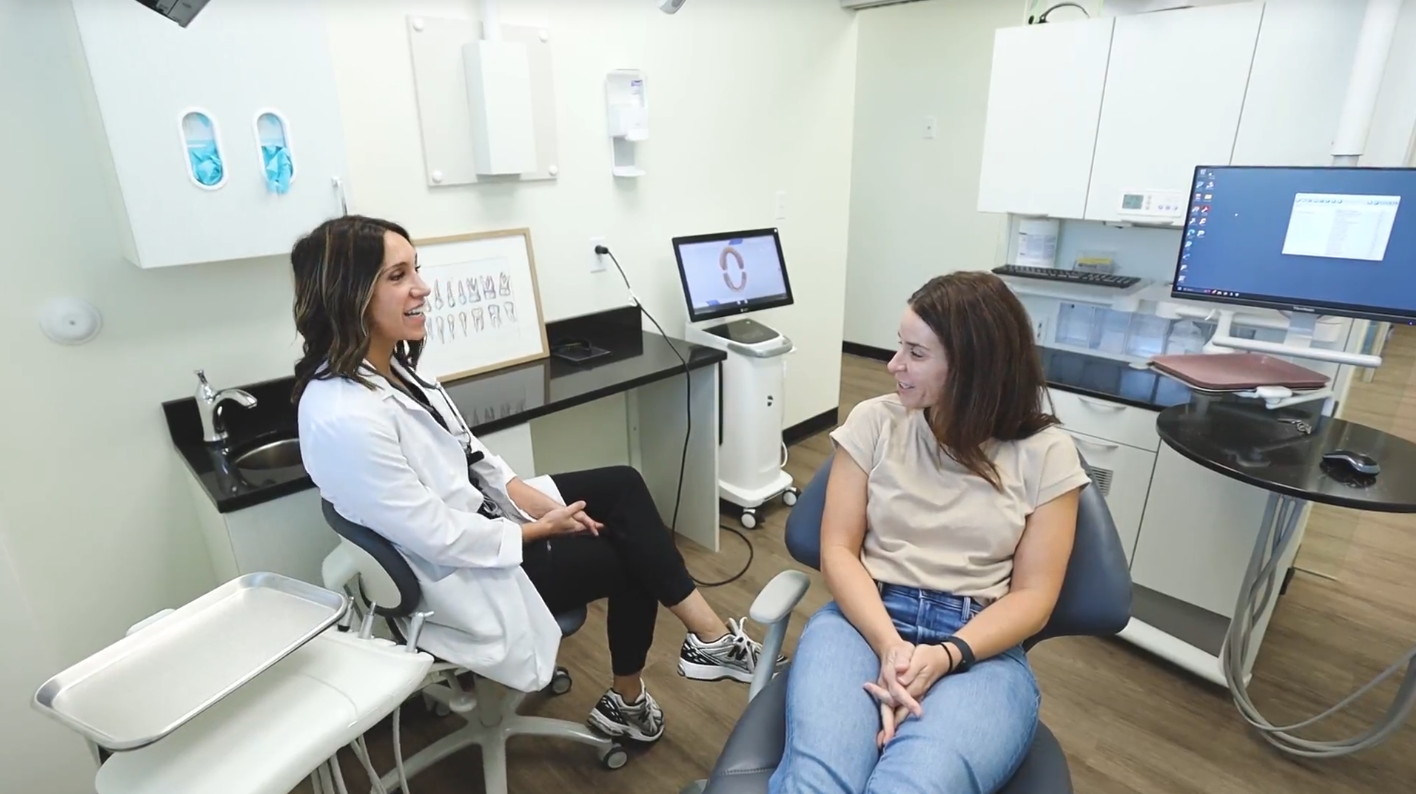
Let’s keep your smile healthy!
Contact our office today to schedule a no-pressure exam. We can’t wait to meet you!
Already Have a Dentist, But Wondering If You Could Do Better?
This is more common than people admit. You've been going to the same practice for years out of inertia; the care is fine but not great, and you leave appointments feeling vaguely unsatisfied. Or maybe the practice you loved has changed — the dentist you trusted retired, the staff turned over, the quality slipped.
Switching is easier than most people think. Your dental records belong to you, and requesting a transfer is a straightforward administrative process. You simply find the practice you want, schedule a new patient appointment, and ask them to request your records — most handle it on your behalf.
Staying with a practice out of habit, when the care isn't meeting your family's needs, isn't loyalty — it's inertia. Finding a better fit is a reasonable decision, and most patients who make the switch are glad they did.

FAQs: How to Find the Best Dentist in St. Louis
How often should my family see the dentist?
For most people, twice a year is the standard recommendation — once every six months for a cleaning and exam. However, this can vary based on individual oral health needs. Patients with a history of gum disease, frequent cavities, or other conditions may benefit from more frequent visits. Your dentist should help you determine the right schedule for each family member based on their specific situation, not just a blanket one-size-fits-all cadence.
At what age should my child first visit the dentist?
Earlier than most parents expect. The American Academy of Pediatric Dentistry recommends a first dental visit by a child's first birthday or within six months of their first tooth appearing — whichever comes first. Early visits are less about cleaning (though that happens) and more about establishing a relationship, catching any early concerns, and helping your child get comfortable with the dental environment long before anything complicated is needed.
What's the difference between a family dentist and a pediatric dentist?
A pediatric dentist specializes exclusively in children's dental care, typically through adolescence, and has completed additional residency training focused on child development and behavior management. A family dentist sees patients of all ages and provides comprehensive care across the lifespan. Either can be an excellent choice for children — but a family dentist offers the added benefit of keeping the whole family under one roof, which many families find significantly more practical.
Does a family dentist handle orthodontics or cosmetic work?
Many do, though the extent varies by practice. Some family dentists offer clear aligner therapy (like Invisalign) in-house, while others refer out to orthodontists for more complex cases. Similarly, some practices offer a full range of cosmetic services — whitening, veneers, smile makeovers — while others focus primarily on restorative care. When evaluating a practice, ask specifically about the services you anticipate your family needing over the next several years.
How do I know if a dentist is right for my anxious child?
Ask directly. Call the practice before booking and explain that your child has dental anxiety. Pay attention to how the staff responds — is it dismissive ("all kids are nervous, they'll be fine") or genuinely engaged ("let's talk about what we can do to make the visit comfortable")? Look for a practice that mentions anxiety management as part of how they work with young patients, not just as an exception they occasionally accommodate.
What if my family doesn't have dental insurance?
More families are in this position than is commonly acknowledged, and it's worth asking any practice you're considering how they handle it. Many now offer in-house membership plans designed specifically for uninsured patients — a practical alternative that can make consistent care significantly more accessible. Ask about what's included and how costs are structured before assuming coverage is a prerequisite.
Is it okay to use different dentists for different family members?
Technically, yes. Practically, it's a significant inconvenience and tends to lead to less consistent care over time. Using one practice for your whole family means one set of records, one set of relationships, one phone number to call, and often the ability to schedule everyone together. It also means a team that understands your family's history holistically — which produces better care, not just better logistics.
Work with the best dentists in St. Louis
Contact us today to schedule a comprehensive dental exam. We can’t wait to meet you!
Disclaimer
This article is intended for general informational and educational purposes only and does not constitute professional dental or medical advice. Individual dental needs vary significantly based on personal health history, age, and other factors. The information provided here is meant to help you ask better questions and make more informed decisions — not to replace a consultation with a licensed dental professional. Always consult with a qualified dentist regarding your family's specific dental health needs, treatment options, and care plans. Nothing in this article should be construed as an endorsement of any specific treatment approach or as a guarantee of outcomes.
