

AI in Dentistry: How Smart Technology Is Changing Your Dental Visit
Please note: Dental technology and treatment approaches can vary significantly based on geographic location, individual needs, and specific dental practices. Always consult with a qualified dental professional for personalized advice regarding your specific dental needs.
AI & The New Dental Experience
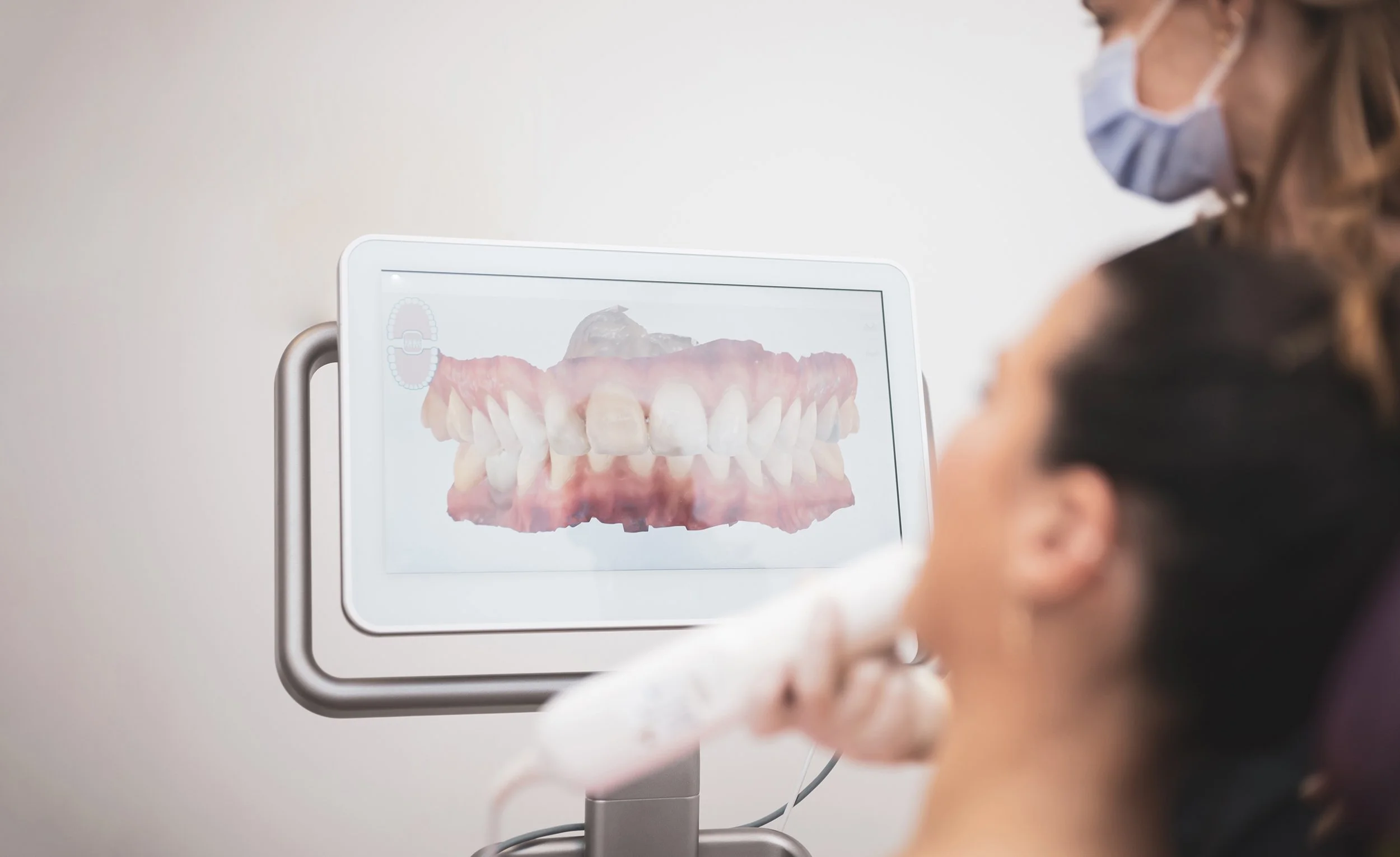
Imagine you're sitting in the dental chair, and instead of wondering what your dentist might be seeing on those X-rays, you're looking at a crystal-clear, high-resolution screen showing a detailed 3D map of your mouth. A sophisticated diagnostic system has already highlighted a tiny area of concern between your molars—one so small that it would have been nearly impossible to detect just a few years ago. Your dentist confirms the finding, explains your options, and together you decide on a minimally invasive approach that will prevent this from ever becoming a problem.
This isn't some distant future scenario. It's happening right now at dental practices across the country.
If you've been curious about how artificial intelligence is changing dental care, you're probably wondering whether it's all just hype or if there's something genuinely beneficial happening behind the scenes. The wonderful news is that AI in dentistry isn't about replacing the human expertise and personal connection that make quality dental care special—it's about enhancing these essential elements with tools that make diagnosis more accurate, treatment more precise, and your overall experience more comfortable.
We're talking about technology that can spot potential problems before they become painful or expensive, plan treatments with unprecedented accuracy, and even help predict your oral health trajectory based on current habits and care. Perhaps most importantly, it's making dentistry more personal and patient-focused by handling the complex data analysis and freeing up your dental team to spend more time understanding what matters most to you.
Ready to discover how artificial intelligence is transforming dental care into something more effective, more comfortable, and ultimately more aligned with how you want to experience healthcare? Let's explore the real story of AI in dentistry—where thoughtful innovation meets the personalized care you deserve.
The Quiet Revolution Transforming Dental Care
While healthcare technology has been making headlines for years, one of the most meaningful revolutions has been happening quietly in dental practices, steadily improving how dental professionals diagnose problems, plan treatments, and help patients maintain healthy smiles.
The integration of AI in dentistry has been a gradual evolution rather than a sudden disruption. It began with individual innovations—computer-assisted design for dental restorations, digital X-rays that reduced radiation exposure, and software that enhances image clarity. Over time, these separate technologies began working together, learning from millions of dental cases, and developing the ability to recognize patterns that even highly experienced dentists might overlook.
What makes this transformation particularly encouraging is that it's fundamentally about supporting and enhancing human expertise. Think of AI as giving your dentist enhanced vision, access to insights from millions of cases, and the ability to predict potential problems—all while preserving the personal relationship and professional judgment that remain at the heart of quality dental care.
For patients, this evolution translates into something even more valuable than cutting-edge technology: better outcomes and more comfortable experiences. Early problem detection leads to simpler treatments. Precision planning means fewer surprises. Personalized risk assessment means your dental care can truly be tailored to you rather than following generic protocols.
Dentistry has always emphasized prevention—AI simply makes it dramatically more effective. And unlike some healthcare technology that can feel impersonal, dental AI actually enhances the connection between patient and provider by enabling clearer communication, better visualization of concerns, and more collaborative treatment planning.
How AI Actually Shows Up in Your Dental Experience
Let's explore the specific ways AI is already working to improve your dental care. These aren't theoretical future possibilities—they're real technologies being used today in progressive dental practices.
Enhanced Diagnostic Imaging: Seeing What Was Previously Invisible
Traditional cavity detection relied on visual examination and X-rays interpreted by the dentist. While this approach served patients well for decades, it had inherent limitations. Early cavities can be incredibly subtle, hiding in the tiny spaces between teeth or beneath the surface where they're difficult to see until they've already progressed significantly.
AI-powered diagnostic imaging transforms this process by analyzing X-rays, intraoral scans, and photographs with meticulous attention to detail. These systems have learned from millions of images, developing the ability to recognize the earliest signs of decay, even when it's just beginning to affect the tooth surface.
Systems like Pearl use cloud-based AI to analyze X-rays in real-time, highlighting potential concerns with visual annotations that make it easier for both dentist and patient to see exactly what's being discussed. The technology can detect cavities, bone loss, and other issues that might be missed during traditional visual examination.
Precision Treatment Planning: From Estimation to Prediction
Treatment planning has evolved from estimating outcomes based on experience to predicting results with remarkable accuracy. AI has made this transformation possible by analyzing countless similar cases and understanding how different treatment approaches perform in various situations.
For orthodontic care, AI systems can evaluate your current tooth positions, bite patterns, and facial structure to create highly detailed treatment plans. They can simulate how your teeth will move over time, estimate treatment duration with greater accuracy, and even provide previews of your expected results before you commit to treatment.
For restorative work like crowns, bridges, or implants, AI-assisted design creates solutions that fit with exceptional precision. These systems consider factors like your bite force, chewing patterns, and mouth anatomy to design restorations that function optimally for you.
Implant placement has particularly benefited from AI integration. The technology can analyze bone density, determine ideal implant positioning, and create surgical guides that ensure remarkable precision. This typically means better outcomes, more comfortable healing, and reduced risk of complications.
Predictive Analytics: Your Personal Oral Health Forecast
This is where AI becomes genuinely exciting for long-term oral health. Rather than simply responding to problems as they develop, predictive analytics allow your dental team to forecast your oral health trajectory and implement preventive strategies before issues arise.
AI systems can analyze your dental history, current oral health status, lifestyle factors, and risk indicators to create a personalized risk profile. For example, the system might identify that your brushing pattern leaves certain areas consistently under-cleaned, putting those specific teeth at higher risk for problems. Your dental team can then provide targeted guidance about technique adjustments and additional preventive measures for those vulnerable areas.
For patients with periodontal concerns, predictive models can estimate how conditions might progress under different scenarios and which interventions are most likely to be effective. This allows for truly personalized treatment strategies rather than standardized protocols.
Some advanced systems can even predict how teeth might shift after orthodontic treatment based on your bone density, age, and bite patterns—helping determine the most effective retention strategy to maintain your beautiful results long-term.
Streamlined Communication and Scheduling
AI isn't only transforming the clinical aspects of dentistry—it's making your entire experience more convenient. Intelligent scheduling systems can optimize appointment times based on procedure type and your preferences, reducing wait times and improving visit flow.
Digital communication tools can handle appointment reminders and routine questions, ensuring you never miss important care while allowing the team to focus on personalized interactions during your visits.
Some practices use AI-powered systems to provide customized oral health guidance based on your specific concerns and treatment history. Instead of generic dental advice, you receive recommendations tailored to your actual situation.
Advanced Digital Workflows: Comfort Meets Precision
Digital impression systems have revolutionized the patient experience by eliminating uncomfortable traditional impression materials. But AI takes this further by enhancing image quality, completing missing data, and creating comprehensive models of your mouth from multiple scans. This means fewer retakes, a more comfortable experience, and better-fitting final restorations.
The software that designs dental restorations increasingly incorporates artificial intelligence to optimize fit and function. AI algorithms can design crowns, bridges, and orthodontic appliances that work harmoniously with your natural bite and chewing patterns.
The combination of AI-assisted design and modern manufacturing has dramatically reduced creation time for custom dental work. What once took weeks can now happen in days or even hours, meaning less time with temporary restorations and faster treatment completion.
What to Expect at Your First AI-Enhanced Appointment
If you're visiting a practice that uses AI technology, understanding what to expect can help you feel more comfortable and engaged in the process.
The Initial Consultation
Your first AI-enhanced appointment typically begins like any dental visit—with conversation. Your dental team will ask about your concerns, health history, and goals. What's different is how technology supports this interaction.
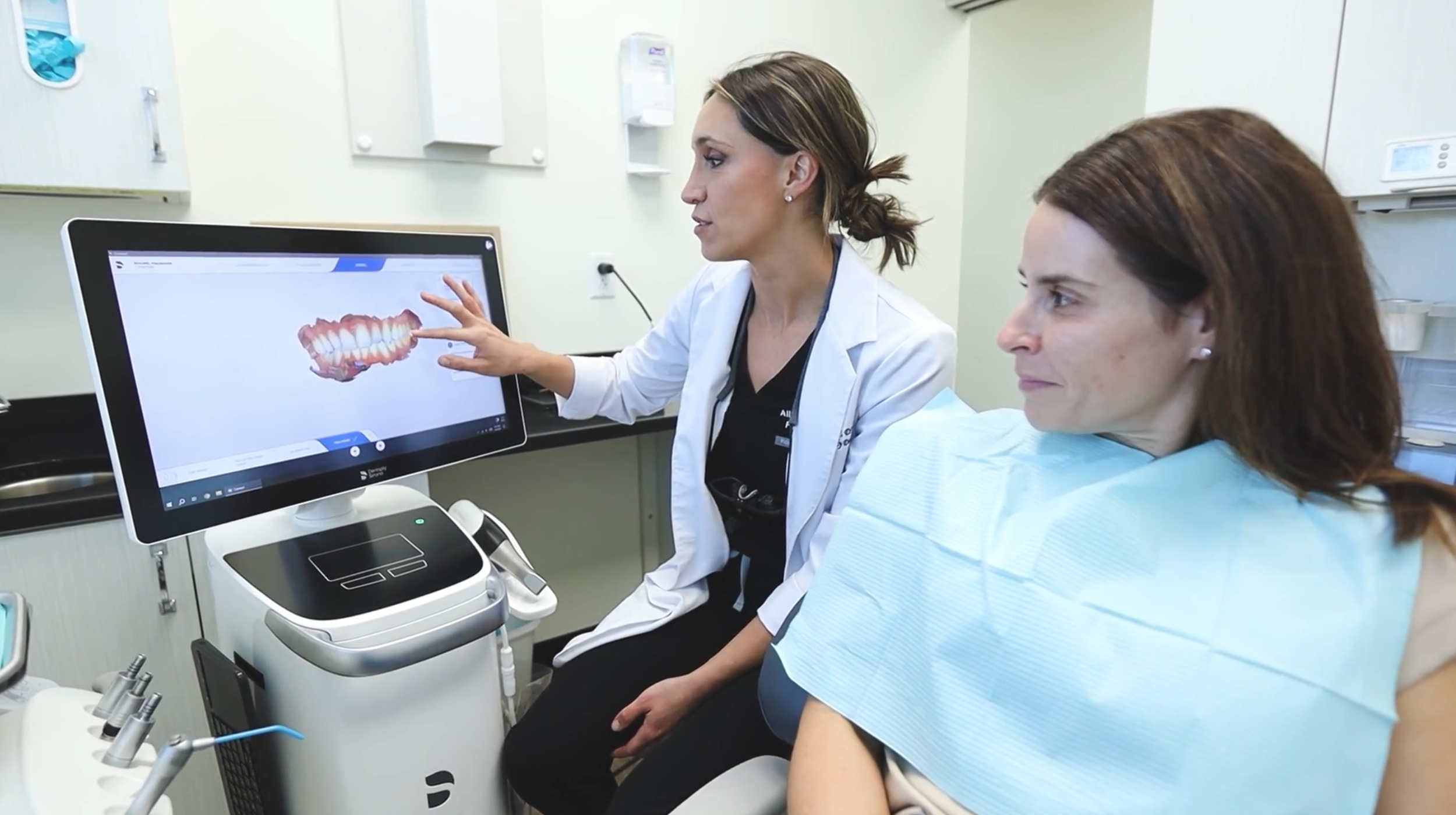
During your examination, your dentist may use an intraoral camera that captures detailed images of your teeth. These images feed into diagnostic AI systems that analyze them in real-time, often highlighting areas of concern while you're still in the chair. This immediate feedback allows for more productive conversations about what's happening in your mouth and what your options might be.
If X-rays are needed, you'll likely experience digital radiography, which uses significantly less radiation than traditional films and provides instant results. The AI system analyzes these images, marking any areas that warrant attention—from tiny cavities to subtle bone changes that might indicate gum concerns.
Understanding Your Results
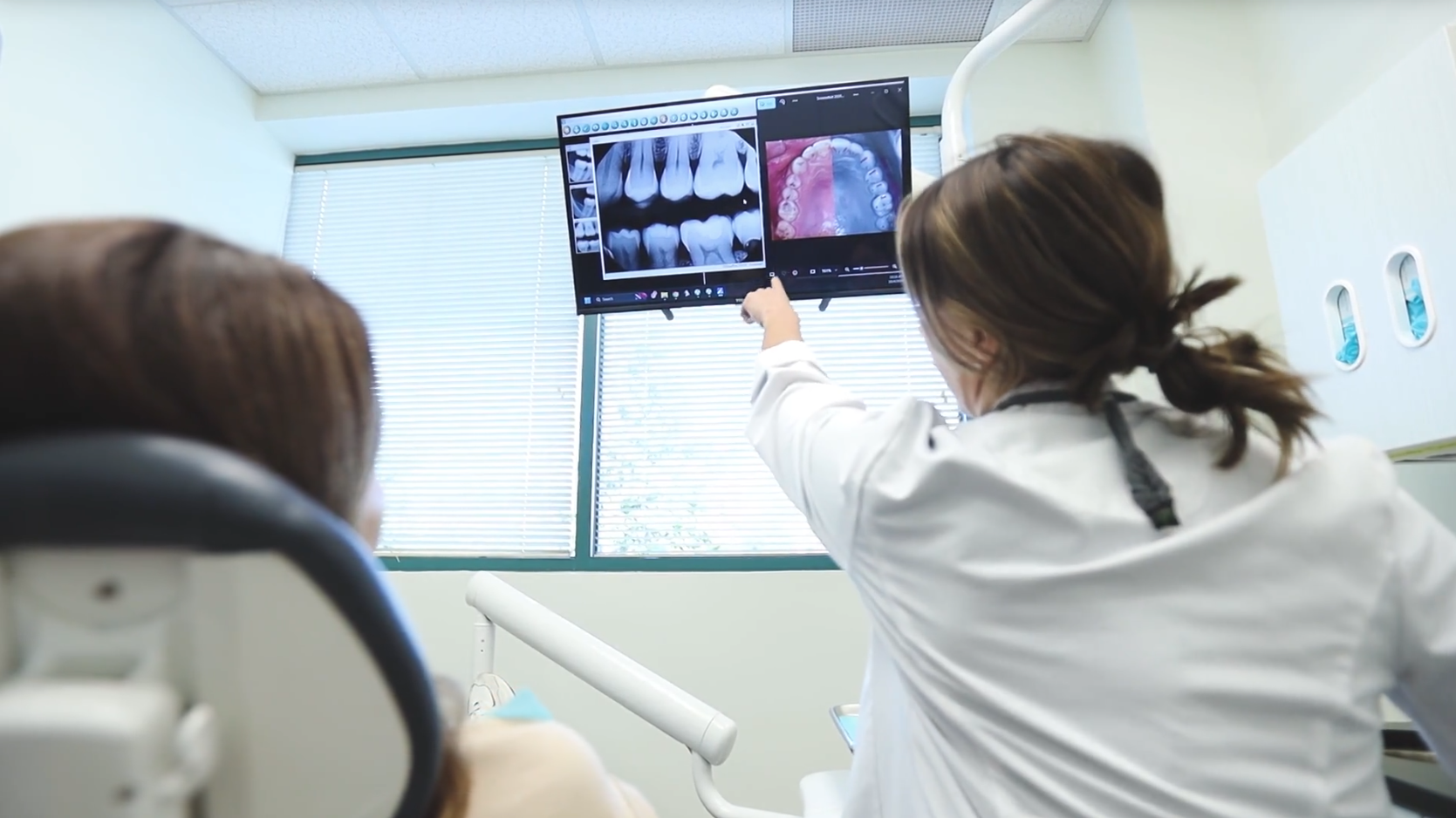
One of the most valuable aspects of AI-enhanced dentistry is visual clarity. Rather than your dentist describing what they see while you try to imagine it, you'll often view the same high-resolution images they're analyzing. The AI system may highlight specific areas of concern with colored overlays or markers, making it easy to understand exactly what's being discussed.
Your dentist will explain what the AI has identified, confirm or adjust those findings based on their clinical judgment and knowledge of your health history, and discuss treatment options in the context of your personal situation and goals.
This visual, collaborative approach often helps patients feel more informed and confident about treatment decisions. You're not just hearing that you need a filling—you're seeing exactly where the problem is, understanding why it needs attention, and participating actively in the treatment planning process.
The Treatment Planning Experience
For more complex treatments, AI-assisted planning tools can create detailed visualizations of proposed work. If you're considering orthodontic treatment, you might see simulations of how your teeth will move over time. For cosmetic work or restorations, digital smile design can preview your expected results.
This preview capability transforms treatment planning from abstract to concrete. You can see what you're working toward, ask specific questions about the process, and feel confident that the plan addresses your concerns and aligns with your goals.

We bring smiles back to life!
Contact us today to schedule a no-pressure exam at our dental office in Kirkwood, MO.
Making the Transition to AI-Enhanced Dental Care
If you're currently with a traditional practice and considering switching to one that uses AI technology, or if your current practice is implementing new systems, the transition is typically smooth and straightforward.
What Changes (and What Doesn't)
The fundamental relationship with your dental team remains unchanged. You'll still have the same personal interactions, the same opportunity to ask questions and express concerns, and the same individualized attention to your oral health.
What changes is the depth of information available to inform those interactions. Your dental team has access to more detailed diagnostics, more precise treatment planning tools, and better ability to predict and prevent problems.
You might notice appointments feel more efficient, with less waiting for results or wondering about findings. The visual nature of AI-enhanced diagnostics often makes explanations clearer and more understandable.
Asking the Right Questions
As you explore AI-enhanced dental care, consider asking potential practices:
About their technology: "Which AI systems do you use, and how do they benefit patients specifically?" Look for answers that focus on patient outcomes rather than just listing impressive-sounding technology.
About implementation: "How long have you been using these systems, and what training has your team received?" Established, well-trained use of technology typically delivers better results than brand-new implementations.
About the balance: "How does AI technology enhance the personal care you provide?" The best answers will emphasize how technology supports the patient-dentist relationship rather than replacing it.
About your specific situation: "How might this technology help with my particular dental concerns?" This helps you understand concrete benefits for your situation rather than general advantages.
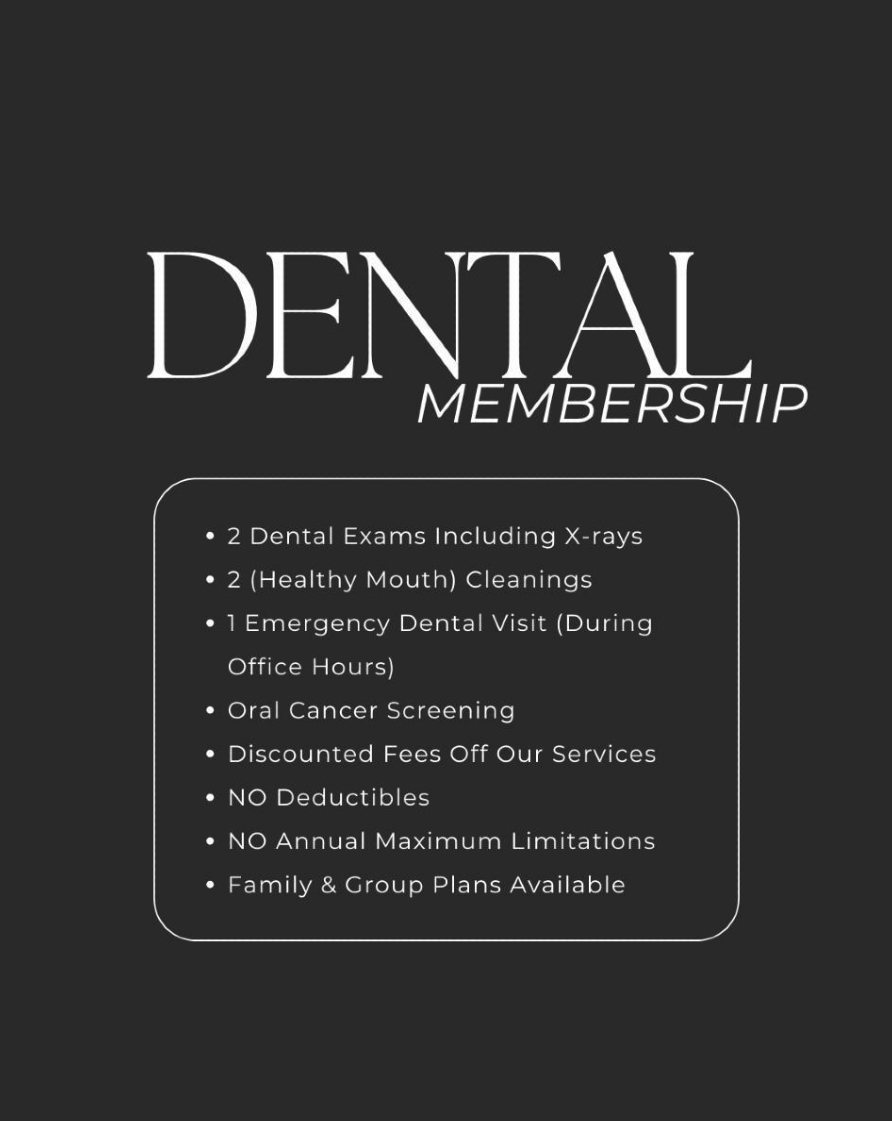
Looking for affordable dental plans in St. Louis?
We are excited to offer a membership plan for those patients who want to make Kirkwood Family Dental their home for dental care.
The Present and Future of AI-Enhanced Dentistry
The most exciting aspect of AI in dentistry isn't what might be possible someday—it's what's available right now at practices that thoughtfully integrate technology with patient-centered care.
Modern dental practices are discovering the ideal balance between advanced technology and warm, personalized service. It's not about choosing between high-tech capability and human connection—the best practices deliver both seamlessly.
This balanced approach is exemplified by practices like Kirkwood Family Dental. With three decades of experience reimagining what dental care should feel like, they understand that technology serves patients best when it enhances rather than replaces the doctor-patient relationship. The goal isn't implementing AI for the sake of having the latest technology; it's thoughtfully using every available tool to provide the most accurate, comfortable, and effective care possible while maintaining the welcoming, family-focused approach that has been their foundation for thirty years.
This represents the present and future of dentistry: advanced diagnostic AI that helps identify concerns early, precision planning that ensures optimal outcomes, and the time gained from efficient analysis allowing your dental team to focus on understanding what matters to you. Technology handles the complex data processing while experienced professionals apply clinical wisdom, explain your options clearly, and partner with you in making informed decisions about your care.
What's Coming Next
As AI capabilities continue advancing, we can anticipate developments that further enhance patient care:
Enhanced predictive capabilities that can forecast treatment outcomes with increasing accuracy based on your unique physiology and health patterns.
More sophisticated risk assessment that incorporates genetic markers and systemic health factors to provide even more personalized preventive strategies.
Improved treatment comfort through AI-assisted techniques that minimize discomfort and reduce treatment time.
Better integration between dental AI and overall health monitoring, recognizing the crucial connections between oral health and systemic wellbeing.
These future innovations will follow the same principle guiding today's thoughtful AI integration: technology should make dentistry more effective, more comfortable, and ultimately more human by supporting skilled professionals in focusing on what matters most—caring for patients with expertise, empathy, and genuine commitment to their wellbeing.
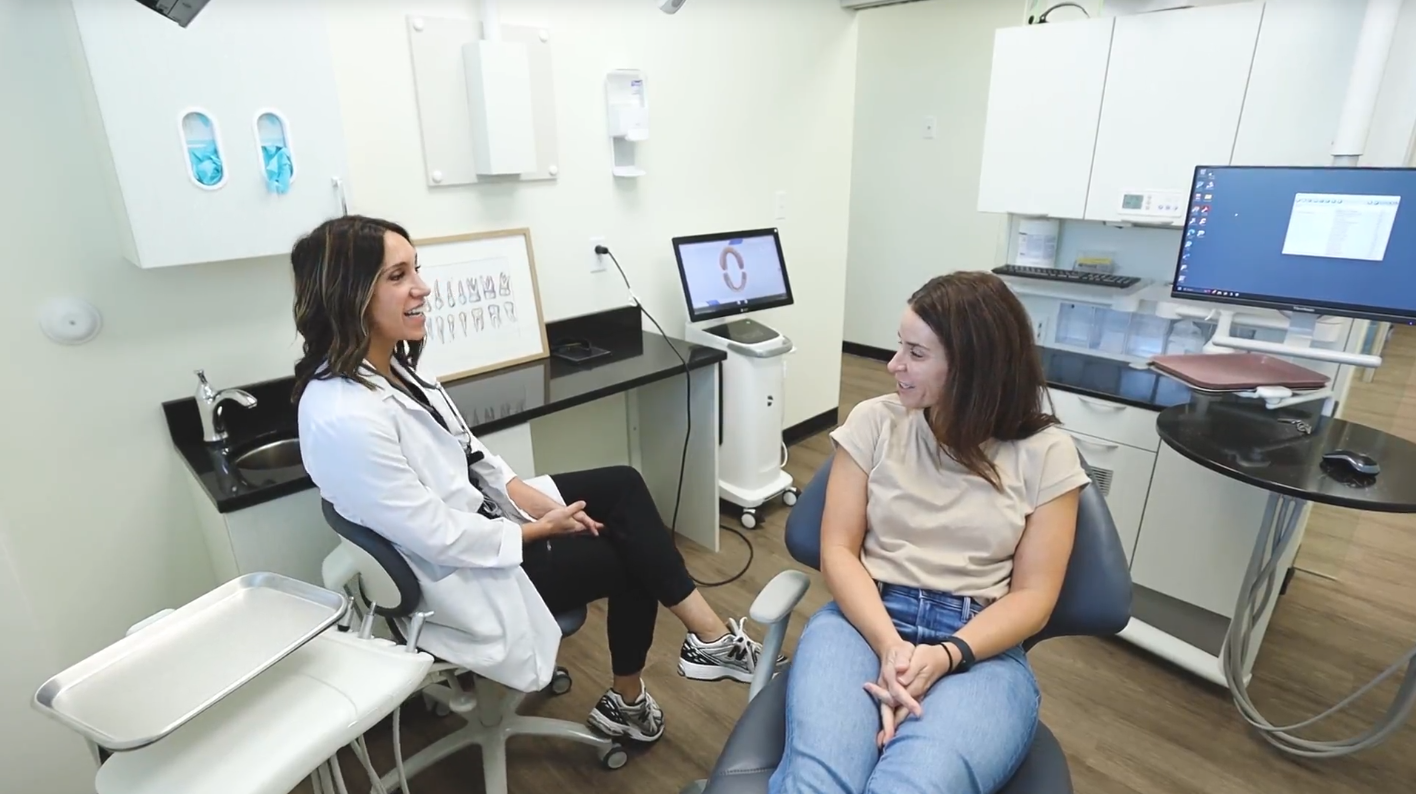
At Kirkwood Family Dental, our expert team uses the most modern dental techniques to keep your smile healthy. Contact us today to learn how we can help you improve and maintain your dental health,or experience a smile transformation. We can’t wait to meet you!
Finding a Practice That Embraces Thoughtful Innovation
If you're interested in experiencing AI-enhanced dental care, look for practices that demonstrate both technological capability and genuine commitment to patient-centered care.
Key Indicators of Quality AI Integration
They explain benefits clearly without overwhelming you with technical jargon. The focus should be on how technology improves your experience and outcomes, not on impressive-sounding specifications.
They demonstrate balanced implementation, viewing technology as a tool for enhancing care rather than as an end in itself. Ask to see examples of how they use AI in treatment planning and diagnosis.
They maintain strong patient relationships alongside technological capabilities. The best practices use AI to support and deepen the doctor-patient connection rather than as a substitute for personal interaction.
They invest in ongoing training for their entire team, ensuring everyone understands how to use technology effectively and explain its benefits to patients.
They welcome questions about their technology and are transparent about both its capabilities and limitations.
The Ideal Combination
Look for practices that balance innovation with experience. Cutting-edge technology works best when guided by substantial clinical wisdom and deep experience in patient care. The ideal combination is a practice with a proven track record of excellent patient care that actively embraces beneficial technology as a tool for delivering even better outcomes.
Consider what matters most to you in your dental care experience. Is it finding problems early before they become serious? Receiving treatment that's precisely planned for you? Understanding your oral health risks and getting personalized prevention strategies? Experiencing more comfortable, efficient visits? The right practice will be one where AI-enhanced technology supports all these goals while maintaining the human connection that makes dental care feel personal and supportive.
When you find a dental partner who prioritizes your comfort, invests in understanding your goals, and combines artistry with technical skill and advanced tools, you set yourself up for a transformation in how you experience dental care—not just in outcomes, but in how you feel about taking care of your oral health.

Work with the best dentists in St. Louis
At Kirkwood Family Dental, we love restoring smiles. Contact our office today to schedule a no-pressure exam. We can’t wait to meet you!
AI in Dentistry FAQs:
Is AI in dentistry safe and properly regulated? Yes. AI dental systems used in the United States must meet FDA regulatory requirements. These systems undergo thorough testing before receiving approval for clinical use. Your dentist maintains complete decision-making authority—AI provides analysis that supports professional judgment.
Will my dental insurance cover AI-enhanced treatments? Insurance typically covers the procedures themselves, regardless of whether AI tools were used. The use of AI in diagnostics or planning usually doesn't create separate charges—it's part of how the practice delivers care. Check with your insurance provider about coverage for your specific planned treatments.
How accurate is AI at identifying dental concerns? Some research suggests AI diagnostic systems often achieve accuracy rates above 95% for specific tasks like cavity detection. However, AI works most effectively when combined with professional expertise. Your dentist reviews AI findings within the context of your complete health picture before making decisions.
Can AI predict future dental problems? AI analyzes your current oral health, habits, and risk factors to estimate the likelihood of developing issues. These predictions help your dental team develop preventive strategies specifically for you. Your choices about oral hygiene, diet, and preventive care significantly influence your actual outcomes.
Does AI-enhanced dentistry mean fewer or shorter appointments? AI often makes individual visits more efficient by reducing the time needed for analysis. Digital impressions eliminate retakes, and precise planning can streamline procedures. However, AI might also identify concerns requiring attention that would have been missed previously. Most patients spend less time in the dental chair over the long term due to better prevention.
How does AI benefit children's dental care? AI offers several advantages for pediatric dentistry: more reliable detection of developing problems, better prediction of how children's teeth will grow, more precise orthodontic planning, and often reduced chair time. Digital impressions are particularly helpful for children who find traditional impression materials uncomfortable.
What happens if an AI system identifies something incorrectly? AI recommendations always go through your dentist's professional review. Dentists are trained to recognize when AI findings don't align with other clinical indicators. Think of AI as a skilled consultant providing valuable input that your dentist considers carefully alongside examination findings, your symptoms, and your health history.
Do smaller dental practices have access to AI technology? Absolutely. Many effective and affordable AI options exist that practices of all sizes can implement. Cloud-based AI services have made advanced diagnostic tools accessible to a wide range of practices. The quality of your care depends more on your dentist's skill in using available tools thoughtfully than on having every cutting-edge technology.
How can I know if my dentist is using AI responsibly? Responsible AI use includes explaining how findings contribute to recommendations, showing you the visualizations informing their suggestions, maintaining professional decision-making authority, being transparent about technology's role in your care, and pursuing continuing education. Don’t be afraid to ask your dentist how they use AI and why.
Can AI help with dental anxiety? Many anxious patients find that AI-enhanced care reduces worry. Clear visualizations help you understand exactly what's happening in your mouth, reducing fear of the unknown. Predictive information gives you a better understanding of what to expect. Precision planning means fewer surprises. More efficient procedures often mean less chair time, which many anxious patients appreciate.
Will AI make dental care more expensive? The relationship between AI and cost varies. Some practices may have slightly higher fees for AI-enhanced services, while others include these tools as part of standard care. However, AI often reduces overall long-term costs by detecting problems when they're small and simple to treat, improving precision to reduce redo procedures, and optimizing efficiency. Many patients find that AI-enhanced care provides excellent value due to better outcomes.
What if I prefer traditional dental care without AI? That's completely your choice. Many excellent dentists provide outstanding care using traditional methods. However, consider that digital X-rays (which most practices now use) were once "new technology" too. AI is simply the next evolution in tools that help dentists provide better care. You might ask practices about their approach to technology to find one that aligns with your comfort level.
AI-Assisted Dentistry in St. Louis
Contact us today to schedule a no-pressure dental exam. We can’t wait to meet you!
Disclaimer
This article is for informational purposes only and should not be considered medical or dental advice. The technologies, procedures, and information discussed may vary based on individual circumstances, geographic location, and specific dental practices. Always consult with a qualified dental professional for personalized advice regarding your specific dental needs and treatment options.
Dental technology and treatment approaches can vary significantly based on numerous factors, including but not limited to: geographic location, complexity of treatment, available technologies, individual patient needs, and insurance coverage. The information provided is based on general trends in dental technology and should not be considered a guarantee of specific outcomes or available services at any particular practice.
Individual results may vary, and the effectiveness of AI-enhanced dental care depends on many factors, including the specific systems used, practitioner expertise, patient cooperation with treatment plans, and individual health circumstances. This information does not replace professional dental consultation, examination, or diagnosis. If you have dental concerns or questions about AI-enhanced dental care, please contact a qualified dental professional in your area.
