

Oral Appliance for Snoring: Your Complete Guide to Silent, Restful Nights
Please note: Treatment costs and options can vary significantly based on geographic location, individual needs, and specific dental practices. Always consult with a qualified dental professional for personalized advice regarding your specific situation.
Quick Answer: What You Need to Know About Oral Appliances for Snoring
The Bottom Line: Oral appliances for snoring are custom-fitted devices worn during sleep that gently reposition your jaw to keep airways open, reducing or eliminating snoring. Most patients adapt within a week and report dramatically quieter nights for both themselves and their partners.
Best For: Primary snoring and mild to moderate sleep apnea
Not Right For: Severe sleep apnea without medical supervision
Timeline: Typically 2-3 weeks from consultation to custom device
Investment: $$3000-$5000 for custom appliances
Effectiveness: 70-90% reduction in snoring for most patients
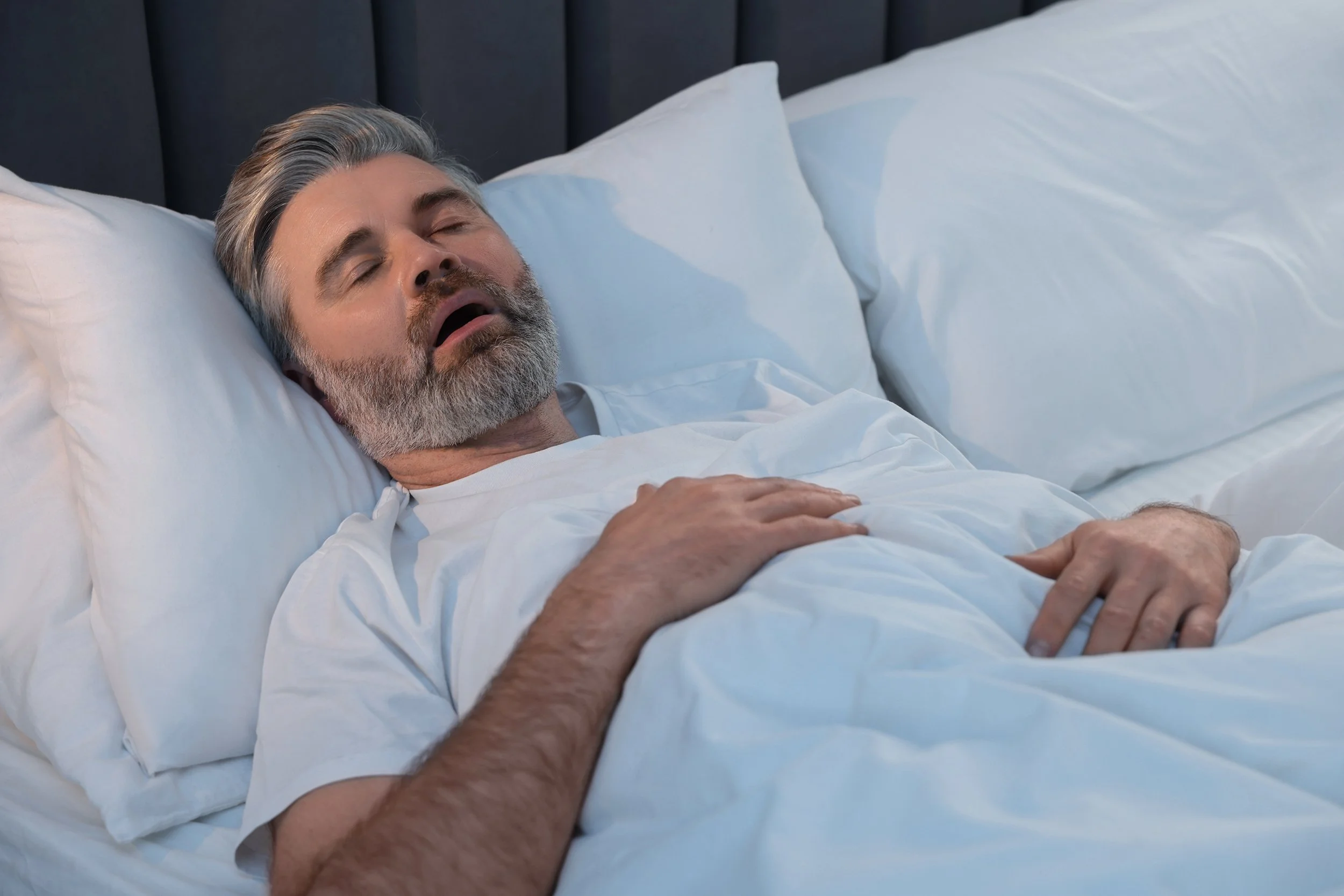
Let's be honest about something that probably brought you here: your partner has started sleeping in the guest room. Or maybe you've woken yourself up with your own snoring. Perhaps you've been banned from family camping trips, dreading overnight work travel, or watching your relationship strain under the weight of sleep deprivation—theirs, not yours, because ironically, you're sleeping just fine while they're lying awake contemplating creative ways to smother you with a pillow.
Snoring isn't funny when you're living with it. It's not a punchline or a sitcom joke—it's a relationship stress test, a sleep destroyer, and increasingly, it's a health concern that deserves actual attention.
If you've found yourself researching "oral appliance for snoring" at 2 AM (either because you can't sleep or because your partner kicked you out of bed), you're in the right place. You've probably seen those CPAP machines that make you look like Darth Vader's awkward cousin. You've maybe tried those drugstore chin straps that accomplish nothing except making you look ridiculous. You've definitely had someone suggest you "just sleep on your side" as if that revolutionary idea never occurred to you.
Here's the real talk: modern oral appliances for snoring represent one of dentistry's most underrated innovations—a solution so effective, so comfortable, and so simple that it's transforming sleep quality for millions of people who thought they were doomed to a lifetime of separate bedrooms and resentful partners.
This guide will walk you through everything you need to know about oral appliances for snoring, from understanding whether you're dealing with simple snoring or something more serious, to choosing the right device and finally reclaiming peaceful nights. By the time you finish reading, you'll understand exactly how these devices work, what the treatment process involves, and whether this solution might be your ticket back to the master bedroom.
Ready to discover how a small custom device could end the nightly symphony that's been testing your relationship?
What Actually Causes Snoring (And Why It Matters)
Before we dive into solutions, let's talk about what's actually happening in your throat when you snore. Understanding this isn't just interesting biology—it's the foundation for understanding why oral appliances work so effectively.
The Physics of That Obnoxious Sound
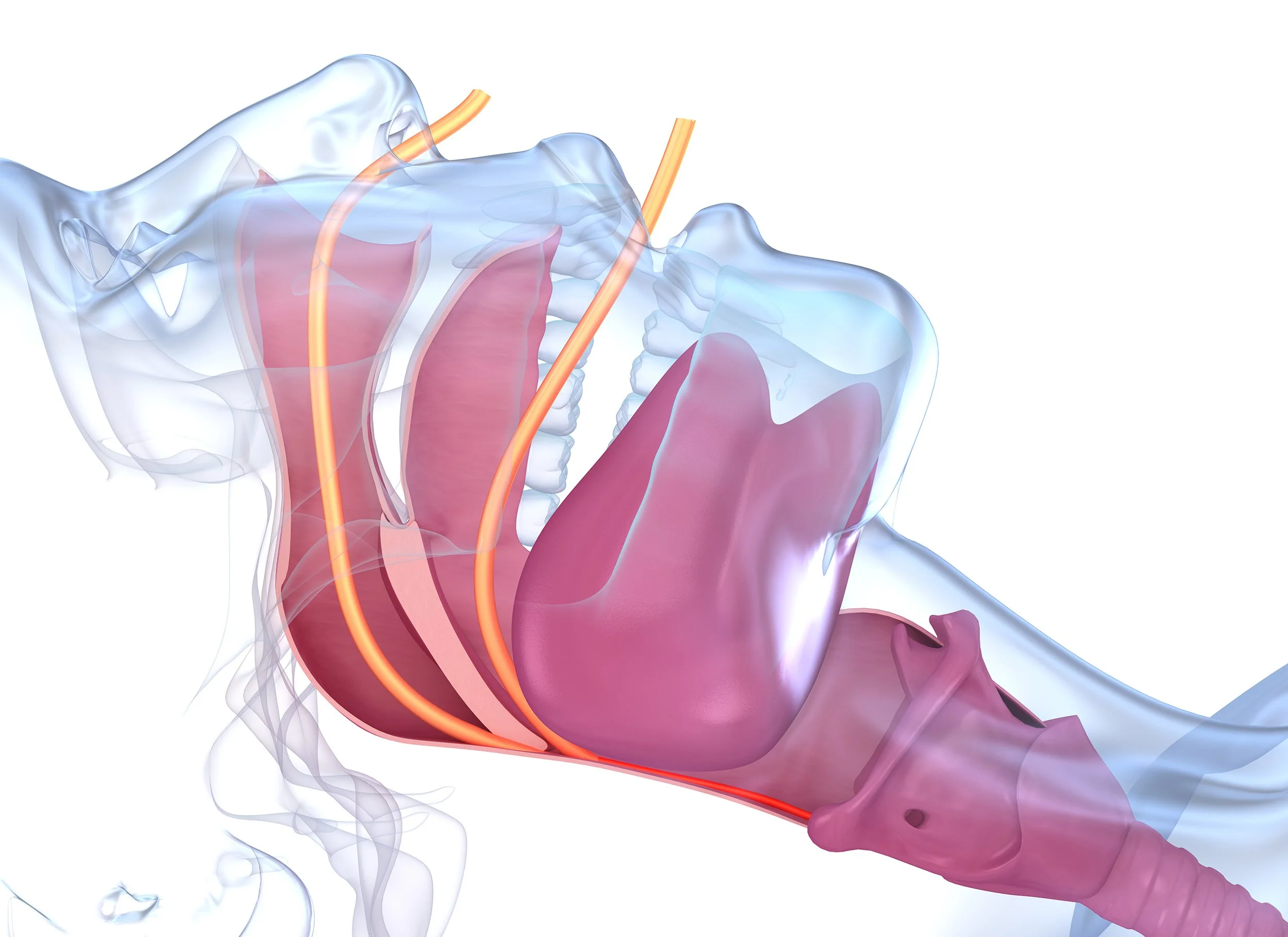
Snoring happens when air can't move freely through your nose and throat during sleep. As you drift off, the muscles in your throat, tongue, and soft palate relax. For many people, this relaxation allows tissues to partially block the airway. When you breathe, air squeezes past these relaxed tissues, causing them to vibrate.
That vibration? That's the sound that's been driving your partner to fantasize about separate zip codes.
The intensity of snoring depends on how much tissue is vibrating and how narrow your airway becomes. Some people produce gentle, almost musical snoring (though their partners might dispute the "musical" part). Others generate sounds that could wake the dead, register on seismic equipment, or convince neighbors you're operating an unlicensed sawmill.
Simple Snoring vs. Something More Serious
Here's where things get important: not all snoring is created equal, and some types signal bigger health concerns.
Primary Snoring is the simple variety—annoying but not medically dangerous. You snore consistently, your partner suffers, but you're getting adequate oxygen all night and waking up reasonably refreshed (even if nobody else in the house is).
Sleep Apnea is the concerning cousin. This condition involves actual pauses in breathing throughout the night—sometimes hundreds of them. Your airway doesn't just narrow; it completely collapses repeatedly, causing your oxygen levels to drop and forcing your brain to partially wake you up to restart breathing. You might not remember these micro-awakenings, but they're destroying your sleep quality and potentially affecting your long-term health.
Red Flags That Suggest You Need Medical Evaluation
You should definitely see a doctor if you experience:
Breathing pauses witnessed by your partner (they watch you stop breathing, then gasp or choke)
Excessive daytime sleepiness despite "sleeping" all night
Morning headaches that weren't there at bedtime
Waking up gasping, choking, or feeling like you can't breathe
High blood pressure that's difficult to control
Difficulty concentrating or memory problems
Loud, disruptive snoring that occurs most nights
Primary snoring without these warning signs is what oral appliances treat brilliantly. If you have concerning symptoms, you'll need a sleep study first to determine the severity and appropriate treatment approach.
Why Addressing Snoring Matters
Beyond the obvious relationship impacts, chronic snoring fragments your sleep quality through micro-arousals that prevent deep, restorative sleep. You might clock eight hours and still feel exhausted. Social limitations multiply—avoiding overnight trips, dreading shared accommodations, constant anxiety about disturbing others. Emerging research also suggests chronic snoring may have subtle cardiovascular effects over time, making this more than just a nuisance issue.

How Oral Appliances Actually Work (The Science Made Simple)
The engineering behind oral appliances uses the same principle emergency responders employ during CPR: positioning the jaw forward pulls the tongue away from the airway, allowing air to flow freely.
The Mandibular Advancement Magic
Most oral appliances for snoring are Mandibular Advancement Devices (MADs)—medical speak for "devices that move your lower jaw forward."
The appliance fits over your upper and lower teeth like a sophisticated mouthguard, holding your lower jaw slightly forward from its natural resting position. This pulls your tongue away from your throat and tightens soft tissues in your airway, preventing collapse during sleep. With your airway held open, air flows freely without vibration—meaning no snoring.
The advancement is minimal—millimeters, not dramatic repositioning. You won't develop an underbite appearance; you'll simply have more space for air to move through your throat.
Why Custom Matters More Than You'd Think
You might wonder about those "boil and bite" devices advertised online for $50. Custom-fitted appliances created by dental professionals position your jaw precisely for your anatomy, distribute pressure evenly to prevent dental damage, allow adjustments to find your optimal position, and use durable materials designed for years of nightly use. Studies show 70-80% of people continue using custom appliances long-term, compared to roughly 30% for over-the-counter options. An appliance only works if you actually wear it—comfort determines compliance.

Ready to stop snoring?
Contact us today to schedule a no-pressure exam and get more information on how oral appliances for snoring may help.
Your Oral Appliance Options: Understanding What's Available
Modern oral appliance therapy offers several sophisticated options designed for different needs and preferences.
Mandibular Advancement Devices (MADs): The Gold Standard
Investment Range: $3000-$5000
These represent the most researched oral appliances for snoring, working by the jaw-forward mechanism that keeps airways open. Custom-fitted to your exact dental anatomy, they feature adjustable positioning to find optimal jaw advancement, durable materials for years of use, and designs allowing normal mouth movement for drinking or speaking.
Popular designs include dorsal-fin style (two-piece with considerable jaw movement allowed), Herbst-style (exceptional flexibility with full lateral motion), and adjustable advancement (fine-tuning mechanisms for optimal positioning).
What Makes Custom Appliances Worth the Investment
Professional appliances use medical-grade materials tested for biocompatibility and long-term durability. Your dentist determines optimal jaw advancement for your anatomy—enough to open your airway effectively without straining jaw joints. As you adapt, precise modifications enhance comfort and effectiveness, ensuring optimal results. Quality appliances typically include warranties covering defects plus ongoing professional support.
Special Considerations: When Standard MADs Aren't Right
For People with Dental Work: If you have significant dental restorations, bridges, or dental implants, your dentist will design your appliance to work with your existing dental work rather than compromising it.
For TMJ Concerns: Some people worry that jaw advancement will aggravate temporomandibular joint (TMJ) problems. Modern appliances can be designed to minimize TMJ stress, and many dentists specializing in sleep appliances also understand TMJ therapy.
For Teeth Grinders: If you grind your teeth (bruxism), your appliance can be designed with extra durability in high-wear areas. Some designs even help reduce grinding while treating snoring.
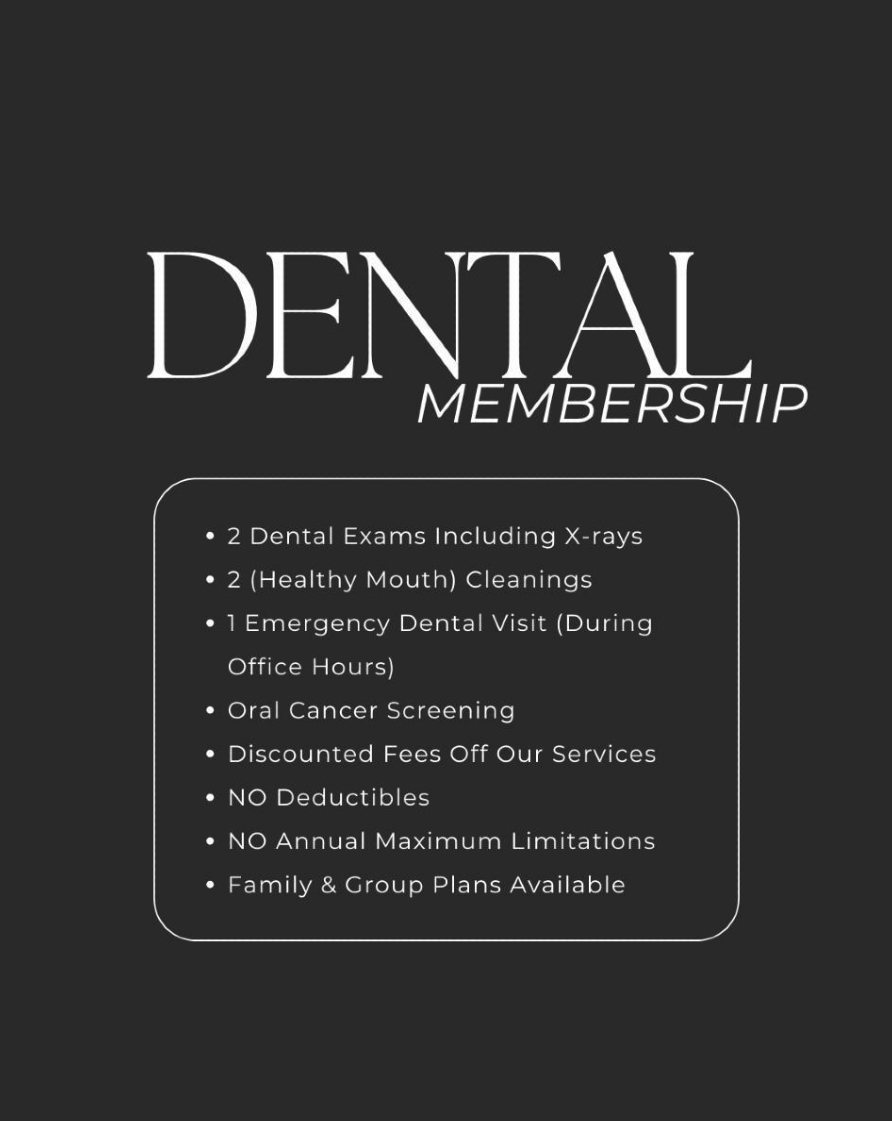
Looking for affordable dental plans in St. Louis?
We are excited to offer a membership plan for those patients who want to make Kirkwood Family Dental their home for dental care.
The Treatment Journey: From Consultation to Silent Nights
Understanding the treatment process helps set realistic expectations for each phase.
Phase One: Comprehensive Evaluation
Your journey begins with thorough consultation assessing both your snoring and dental health. Your dentist reviews medical history, examines teeth and airway anatomy, discusses sleep patterns, and determines candidacy. Many practices use digital imaging to show how jaw positioning affects your airway. Mention how long you've been snoring, any witnessed breathing pauses, daytime fatigue, previous treatment attempts, and any dental concerns.
Phase Two: Custom Creation and Fitting
Digital impressions or scans capture your dental anatomy precisely. Within 1-2 weeks, your custom appliance is fabricated in specialized laboratories. At your fitting appointment, your dentist checks fit, adjusts initial jaw advancement, teaches insertion and removal, explains care procedures, and schedules follow-up visits.
Phase Three: Adaptation and Fine-Tuning
The first week involves normal adaptation—excess salivation, slight jaw soreness, temporary tooth tenderness, and initial sleep adjustment all typically resolve within days. Most people notice immediate snoring reduction. After a week or two, follow-up visits optimize your appliance based on real-world experience. Small modifications often make enormous differences in effectiveness and comfort.
Life After Oral Appliances: What Changes
The transformation extends beyond quieter nights, touching multiple aspects of daily life.
The First Night Revelation
Many experience their first quiet night in years—or rather, their partner does. The first morning often involves disbelief: "You didn't snore once." For couples who've endured years of sleep disruption, this moment can be genuinely emotional.
The Transformation Beyond Silence
Many people discover improvements beyond just quieter nights. Without micro-arousals from airway resistance, you spend more time in deep, restorative sleep. Morning symptoms like dry mouth and headaches often improve or disappear. Better sleep affects everything from mood to metabolism—many patients report increased energy, sharper focus, and improved emotional regulation.
Social Freedom and Long-Term Adaptation
The devices are compact and portable—slipping into a small case that fits easily in any luggage. No bulky CPAP machines, no electrical requirements, no explaining strange equipment to travel companions. Within a month, most people completely adapt. The device becomes part of your bedtime routine, and many find they sleep better with it than without it.
Realistic Expectations About Effectiveness
Research shows approximately 70-90% of people experience significant snoring reduction with properly fitted oral appliances. Some achieve complete elimination, others reduce snoring from deafening to tolerable. Effectiveness depends on your snoring cause, anatomy, appliance quality, and consistent use.
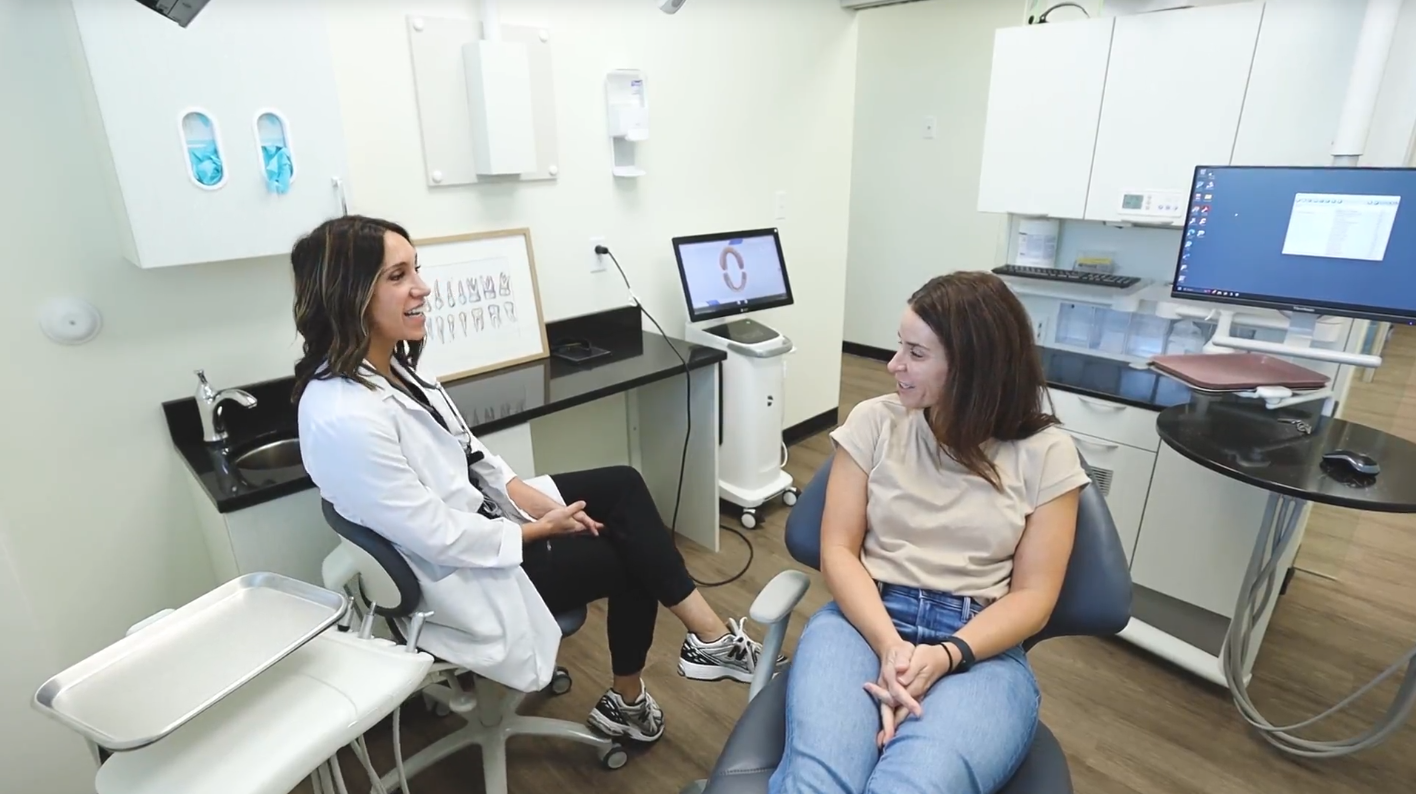
At Kirkwood Family Dental, our expert team uses the most modern dental techniques to keep your smile healthy. Contact us today to learn how we can help you stop snoring, maintain your dental health, or experience a smile transformation. We can’t wait to meet you!
Caring for Your Appliance: Making Your Investment Last
Proper care extends your appliance's lifespan and ensures continued effectiveness.
Daily Routine: Each morning, rinse with cool water, brush gently with mild soap or non-abrasive denture cleaner (avoid regular toothpaste), dry thoroughly, and store in the protective case. Never use hot water—heat warps plastic and ruins the precise fit.
Weekly Deep Clean: Soak in denture cleaning solution for 15-30 minutes, scrub thoroughly, and rinse completely before use.
Contact your dentist if you notice: cracks or breaks, loose fit, rough edges causing irritation, difficulty with adjustment mechanisms, or return of snoring after effectiveness.
Most oral appliances last 3-5 years with proper care, though some patients enjoy even longer lifespans. Regular dental checkups allow your dentist to assess your appliance's condition and recommend replacement when needed.
Investment and Insurance: The Financial Reality
Understanding the financial aspects helps you plan appropriately for this important investment in your sleep quality and relationship harmony.
What Custom Oral Appliances Actually Cost
Professional custom oral appliances typically range from $1,800 to $2,500, including comprehensive evaluation, custom impressions or digital scans, laboratory fabrication, fitting and initial adjustment, follow-up visits for fine-tuning, and care instructions. This reflects the expertise, materials, and time required to create precisely calibrated devices. Factors affecting final cost include geographic location, dentist's specialized training, appliance complexity, and number of adjustment visits required.
The Insurance Situation
Oral appliances for snoring and sleep apnea are often covered by medical insurance (not dental) because they treat medical conditions. Typical coverage includes 50-80% after deductibles, classification as durable medical equipment (DME), and pre-authorization requirements. Many plans require sleep study confirmation before approving coverage. Your dentist's office usually handles pre-authorization and claims.
Payment Options Beyond Insurance
Health Savings Accounts (HSAs) and Flexible Spending Accounts (FSAs) use pre-tax dollars, reducing costs by your tax bracket percentage. Many practices offer in-house financing or payment arrangements over several months. Third-party financing like CareCredit provides longer-term options with promotional rates.
Value Perspective: More Than the Sticker Price
A $2,000 appliance lasting 4 years costs $500 annually—about $42 per month for something affecting your sleep, health, and relationships every night. CPAP machines cost $500-$3,000 upfront plus ongoing expenses for replacement parts and electricity. Better sleep affects cardiovascular health, mental clarity, and immune function. For most successful users, the investment quickly justifies itself through improved quality of life.
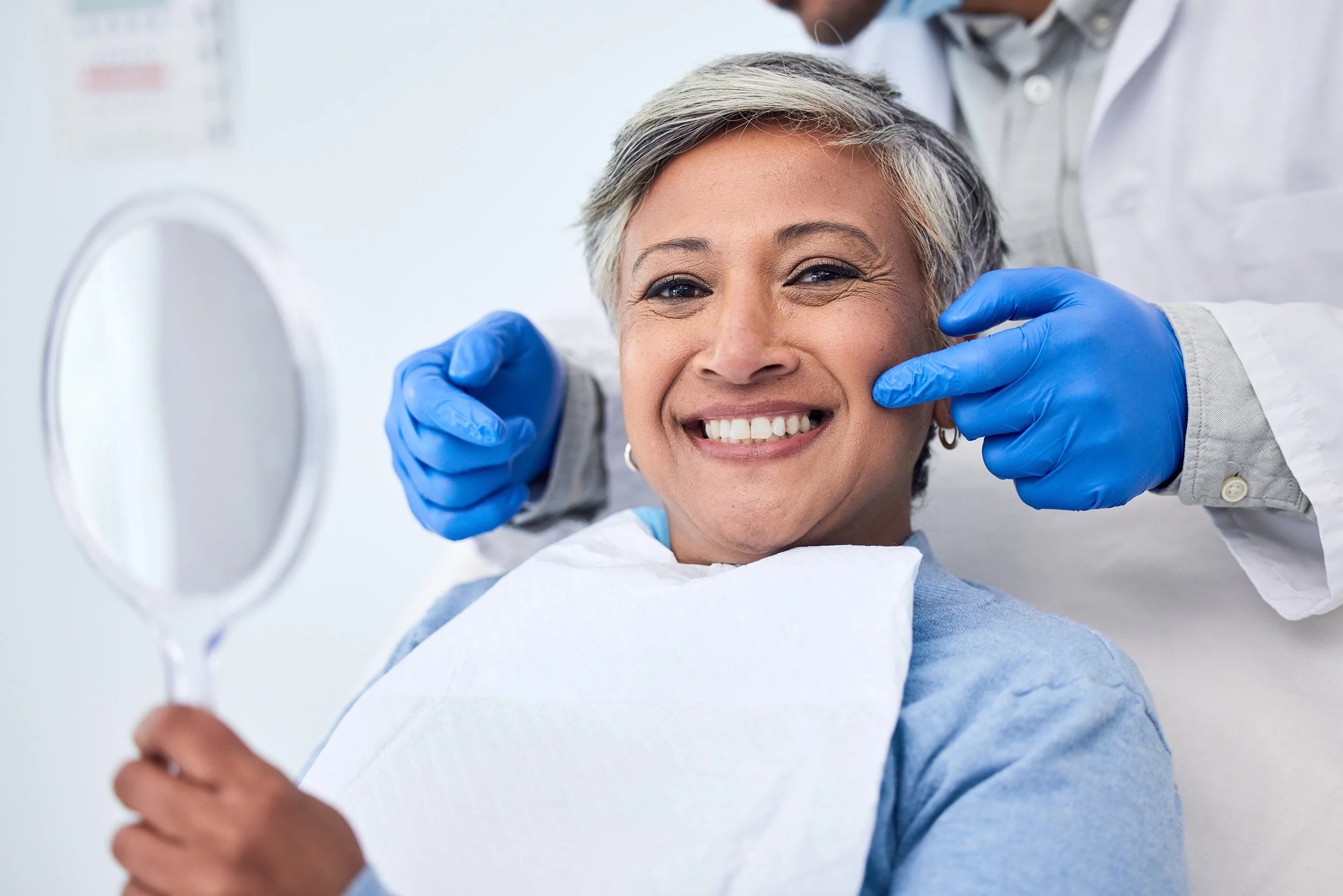
Minimally Invasive Dentistry
At Kirkwood Family Dental, we love restoring smiles. Contact our office today to schedule a no-pressure exam. We can’t wait to meet you!
Choosing Your Dental Partner: What to Look For
Success depends significantly on finding a practice with appropriate expertise and a patient-centered approach.
Specialized Training and Experience
Look for dentists with advanced training in dental sleep medicine, AADSM membership, extensive oral appliance experience, collaboration with sleep physicians, and current knowledge of latest research and technologies. A quality consultation feels thorough and genuinely focused on your unique situation—comprehensive examination, clear explanations, realistic expectations, transparent costs, and no pressure to commit immediately.
Technology and Philosophy
Optimal practices offer digital impressions, multiple appliance options, comprehensive follow-up care, physician collaboration when needed, and clear communication throughout treatment.
A Practice That Understands Your Whole Experience
The best oral appliance care comes from practices that recognize this treatment involves more than just creating a device—it's about transforming sleep quality and restoring relationship harmony.
For over 30 years, practices like Kirkwood Family Dental have understood that successful dental care extends beyond clinical expertise to creating genuinely welcoming experiences. Their commitment to comprehensive family dentistry means recognizing how conditions like snoring affect not just individual patients but their families and quality of life. When you find a dental team that prioritizes your comfort, invests in understanding your concerns, and provides ongoing support throughout your treatment journey, you create the foundation for results that exceed expectations.
Questions to Ask During Your Consultation
About Experience:
How long have you been providing oral appliance therapy?
Approximately how many appliances do you fit each year?
What's your success rate with snoring reduction?
About The Process:
Which type of appliance do you recommend for my situation and why?
How many appointments will I need?
What's included in the treatment fee versus additional costs?
What happens if the appliance doesn't reduce my snoring adequately?
About Follow-Up Care:
How many adjustment visits are typically needed?
What's your policy on repairs or replacements?
How do you coordinate with sleep physicians if needed?
About Costs:
What's the total investment for my treatment?
Do you handle insurance pre-authorization and claims?
What payment options are available?
Don't hesitate to ask every question on your mind. Quality dental practices want you to feel completely informed and comfortable with your decision.
Oral Appliance for Snoring: FAQs
How long does it take to adapt to sleeping with an oral appliance?
Most people adapt within 3-7 nights. Initial discomfort like jaw soreness or excess salivation resolves quickly. By the second week, the appliance feels natural.
Will an oral appliance change my bite permanently?
Temporary changes when first removing the appliance are normal but resolve within minutes. Properly fitted appliances don't cause permanent dental changes.
Can oral appliances help with sleep apnea, or just snoring?
Oral appliances are FDA-approved for both primary snoring and mild to moderate obstructive sleep apnea. For severe sleep apnea, they may be used with other treatments or as a CPAP alternative.
How do oral appliances compare to CPAP machines?
CPAP is generally more effective for severe sleep apnea, but oral appliances are quieter, more portable, require no electricity, and have higher compliance rates due to comfort.
Will my insurance cover an oral appliance?
Many medical insurance plans cover oral appliances as DME for diagnosed sleep conditions, typically requiring pre-authorization and sleep study confirmation.
How long do oral appliances last?
Quality appliances typically last 3-5 years with proper care. Regular dental checkups monitor condition and determine replacement timing.
Can I travel with my oral appliance?
Absolutely. They're highly portable, fitting in a small protective case. No electricity or special equipment needed.
What if I grind my teeth?
Appliances can be designed to withstand bruxism. Some designs even help reduce grinding while treating snoring.
Is jaw soreness normal initially?
Yes, mild soreness during the first week is common as muscles adapt. Severe or worsening pain should be reported to your dentist.
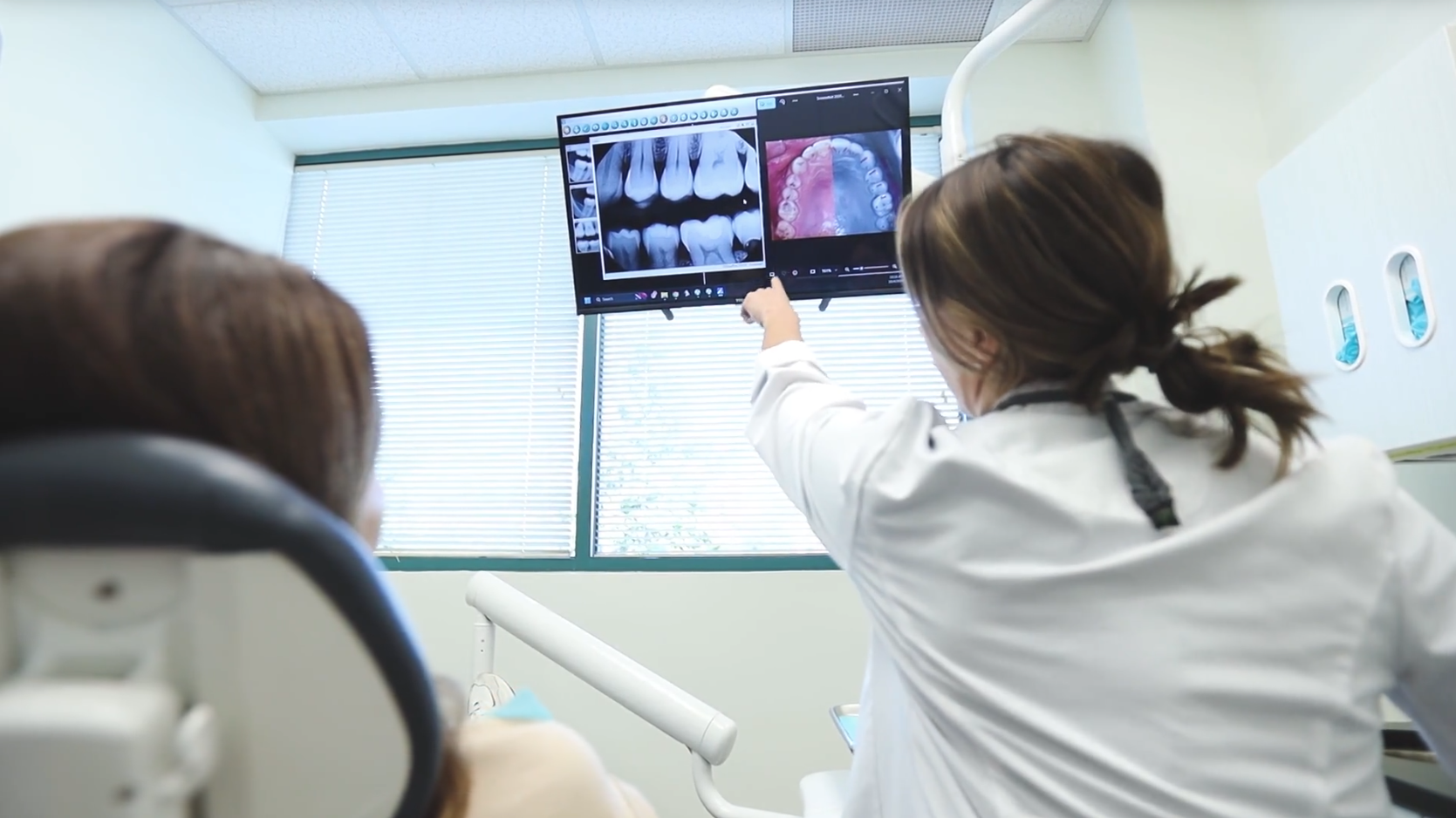
Oral Appliances for Snoring in St. Louis
Contact us today to learn more about how we can help you stop snoring. We can’t wait to meet you!
Disclaimer
This article is for informational purposes only and should not be considered medical or dental advice. The costs, procedures, and information discussed may vary based on individual circumstances, geographic location, and specific dental practices. Always consult with a qualified dental professional for personalized advice regarding your specific dental needs and treatment options.
Dental treatment costs can vary significantly based on numerous factors, including but not limited to: geographic location, complexity of treatment, materials used, individual patient needs, and insurance coverage. The price ranges provided are estimates based on general market information and should not be considered guaranteed pricing.
Individual results may vary, and the longevity of dental work depends on many factors, including oral hygiene, lifestyle habits, and regular dental care. This information does not replace professional dental consultation, examination, or diagnosis. If you have dental concerns or need treatment, please contact a qualified dental professional in your area.
