

Minimally Invasive Dentistry: The Gentle Revolution Changing How We Care for Teeth

Please note: Dental treatment approaches can vary significantly based on geographic location, individual needs, and specific dental practices. Always consult with a qualified dental professional for personalized advice regarding your specific dental needs.
The Quiet Transformation of Modern Dentistry
Dentistry has undergone a fundamental shift in recent decades. The traditional approach of drilling away large portions of tooth structure and filling the space with restorative materials has given way to something quite different. Today's dental philosophy prioritizes preservation, prevention, and early intervention over aggressive removal and replacement.
This change happened because research revealed that natural tooth structure performs better than any artificial replacement. Your original teeth have properties that cannot be fully replicated, from their ability to flex under pressure to their integration with surrounding tissues. Minimally invasive dentistry represents this evolution—catching issues early, preventing problems before they start, and preserving maximum natural tooth structure.
If you've been avoiding dental care because of anxiety about painful procedures, lengthy appointments, or the sound of the drill, minimally invasive dentistry offers a genuinely different experience.
What Minimally Invasive Dentistry Actually Means
Minimally invasive dentistry is built on a straightforward premise: original biological tissue has greater value than even the highest-quality restoration. This principle guides every decision from diagnosis through treatment planning to actual procedures.
The approach emphasizes four key priorities: recognize potential problems as early as possible through advanced diagnostic technology; reduce disease progression through preventive interventions; support the body's natural ability to regenerate and remineralize tooth structure; and when repair becomes necessary, remove only diseased tissue while preserving all healthy structure.
Traditional dentistry often removed healthy tooth structure to create specific shapes for fillings or ensure mechanical retention. Minimally invasive dentistry uses advanced adhesive materials that bond directly to tooth structure.
The biological rationale is clear. Each tooth contains approximately 96% mineral content in the enamel and 70% in the dentin. This mineral structure provides strength, shock absorption, and natural antibacterial properties. Minimally invasive approaches therefore prioritize patient comfort and superior clinical outcomes.
The Core Principles Driving the Approach
Minimally invasive dentistry operates according to specific principles that differentiate it from traditional dental philosophy.
Recognition Through Early Detection: Advanced diagnostic tools can now identify potential problems at stages far earlier than traditional examination methods. Digital radiography provides detailed images with significantly less radiation exposure. Laser fluorescence devices detect cavities in their earliest stages. Intraoral cameras allow both dentist and patient to see precisely what's happening inside the mouth. Artificial intelligence systems now analyze diagnostic images, identifying subtle patterns that might escape human detection and providing a valuable second opinion that enhances diagnostic accuracy.
Reduction of Disease Progression: Once potential issues are identified, various interventions can slow or stop their progression. Fluoride treatments strengthen enamel and promote remineralization. Dental sealants create physical barriers in vulnerable areas. Antimicrobial rinses reduce harmful bacterial populations. These preventive measures often eliminate the need for more invasive procedures later.
Regeneration of Natural Structure: The body possesses remarkable abilities to repair tooth structure when given appropriate support. Remineralization can reverse early cavities, restoring damaged enamel to health. Calcium phosphate treatments and silver diamine fluoride provide building blocks for natural repair while arresting active decay. These regenerative approaches work with natural biological processes rather than replacing them.
Repair With Maximum Conservation: When tooth structure has been lost and requires restoration, minimally invasive techniques remove only what's necessary. Air abrasion systems remove decay with precision. Laser technology allows extremely selective tissue removal. Microscopic visualization enables dentists to distinguish between healthy and diseased tissue at a cellular level.
These principles create a hierarchy of intervention: prevention first, early intervention second, conservative repair third, and extensive restoration only when absolutely necessary.


A smile makeover can be truly life-changing. See more before and after photos of smile makeovers. Contact us today to learn how we can help you experience a transformation firsthand through minimally invasive dentistry.
Technologies Enabling Minimally Invasive Treatment
Multiple technological advances have made minimally invasive dentistry practical and predictable, enabling early detection, precise treatment, and superior outcomes.
Digital Diagnostic Systems: Modern diagnostic equipment provides information that was previously unavailable. Digital x-rays deliver high-resolution images using up to 90% less radiation than traditional film radiographs. Intraoral scanners capture detailed digital impressions without uncomfortable impression materials. These systems enable dentists to see problems earlier and plan treatments with greater precision.
Laser Technology: Dental lasers operate at specific wavelengths that interact selectively with different tissues. Hard tissue lasers remove decay while leaving healthy enamel largely untouched. Soft tissue lasers reshape gums with minimal bleeding and faster healing. Diagnostic lasers detect cavities by measuring changes in tooth fluorescence caused by demineralization.
Air Abrasion Systems: These systems use streams of fine particles to remove decay without the heat, vibration, and pressure of traditional drilling. Air abrasion works particularly well for small cavities, often performed without anesthesia while removing only diseased tissue. Patients report significantly less anxiety when air abrasion replaces traditional drilling.
Magnification and Microscopy: Operating microscopes and magnifying loupes allow dentists to visualize tooth structure at levels of detail impossible with the naked eye. This enhanced visualization enables identification of the exact boundary between healthy and diseased tissue, preserving tissue that would have been removed under traditional visualization.
Biomimetic Materials: Modern restorative materials mimic the properties of natural tooth structure far better than older materials. Composite resins bond chemically to enamel and dentin, creating integrated restorations that flex and function similarly to natural teeth. Glass ionomer cements release fluoride continuously, providing ongoing protection against decay.
Remineralization Agents: Products containing calcium, phosphate, and fluoride can reverse early tooth decay. Prescription-strength fluoride treatments deliver concentrated minerals to weakened enamel. Silver diamine fluoride arrests active cavities and promotes remineralization. These agents can often eliminate the need for restorative treatment entirely.
Caries Detection Technology: Advanced detection systems identify cavities at stages far earlier than visual examination or traditional x-rays, enabling intervention during the earliest stages when remineralization remains possible. Artificial intelligence algorithms analyze x-rays and intraoral images to detect early decay patterns, providing dentists with a valuable second opinion that increases diagnostic precision and reduces the likelihood of missed cavities.
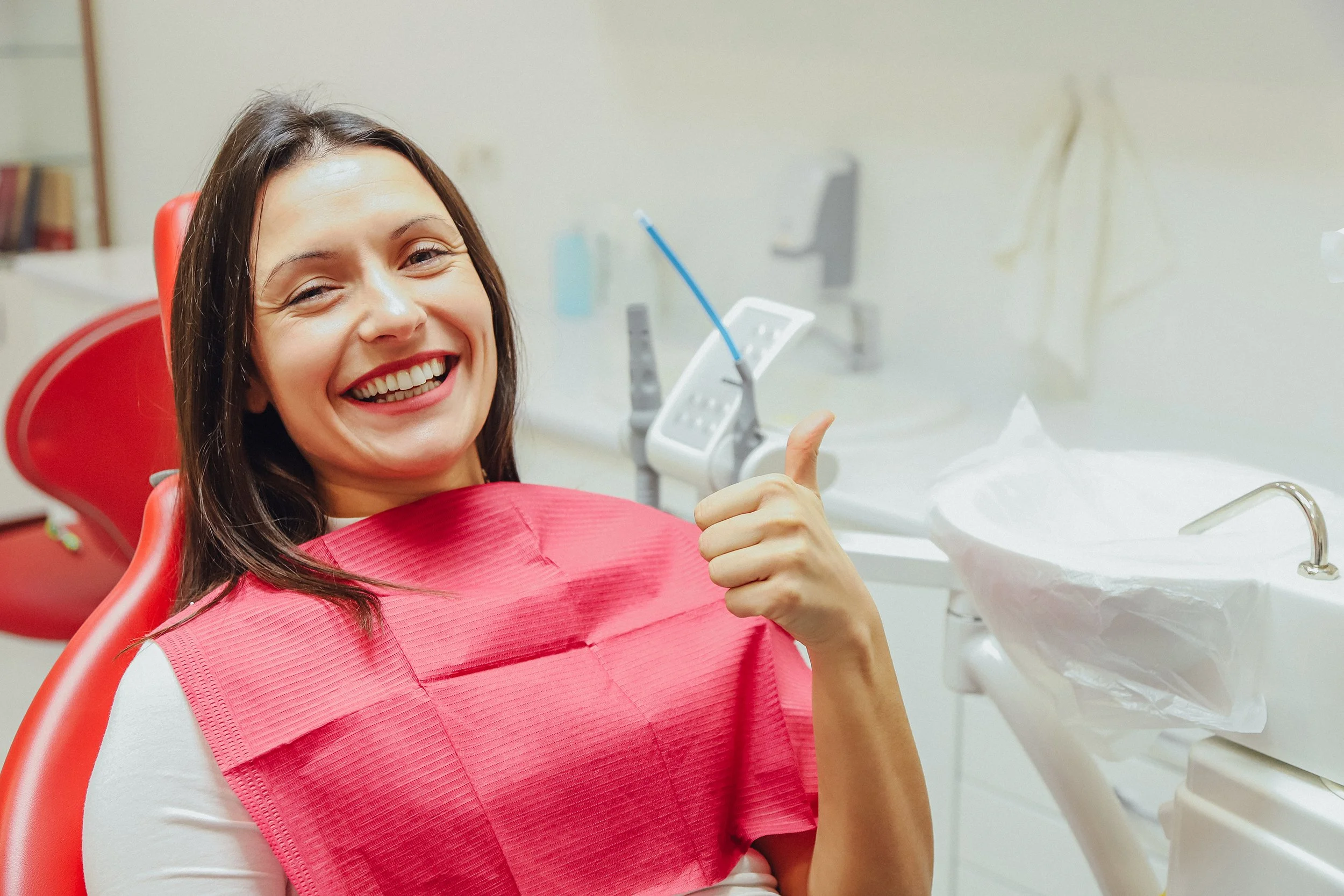
Ready to upgrade your smile?
Schedule an appointment today to learn how we can help improve the overall health and appearance of your smile.
The Patient Experience: What Actually Changes
Minimally invasive dentistry transforms the practical realities of dental treatment, affecting appointment length, comfort levels, recovery time, and long-term oral health.
Reduced Treatment Time: Conservative procedures typically require significantly less time than extensive restorations. Small composite fillings can often be completed in 20-30 minutes. Preventive treatments like sealant application take just minutes per tooth, meaning patients spend substantially less time in the dental chair overall.
Decreased Anesthesia Requirements: Many minimally invasive procedures can be performed with minimal or no anesthesia. Air abrasion often works well without numbing. Early cavity treatments may need only topical anesthetic. Reduced anesthesia means faster appointments and no lingering numbness.
Improved Comfort Levels: Conservative techniques generally create less discomfort both during and after treatment. Procedures that preserve natural tooth structure cause less post-treatment sensitivity. Treatments performed without traditional drilling eliminate the vibration, pressure, and sound that many patients find distressing.
Faster Recovery: Conservative treatments typically involve faster healing and less post-procedure sensitivity. Procedures that remove less tooth structure create smaller areas requiring adjustment. Patients can usually return to normal activities immediately after minimally invasive procedures.
Better Long-Term Outcomes: Research demonstrates that teeth treated with conservative methods have better long-term survival rates. Preserving more natural tooth structure maintains structural integrity and contributes to teeth lasting longer with fewer subsequent interventions.
Cost Effectiveness: While some advanced technologies require initial investment, minimally invasive dentistry often proves more economical overall. Preventive treatments cost substantially less than restorative procedures. Early intervention avoids the expense of extensive restoration. Most importantly, keeping natural teeth healthy avoids the significant costs of tooth replacement options.
Psychological Benefits: Many people avoid dental care due to anxiety about painful or lengthy procedures. Minimally invasive approaches significantly reduce these concerns. Patients who have experienced gentle, conservative treatment typically develop more positive attitudes toward dental care, leading to more consistent preventive care.
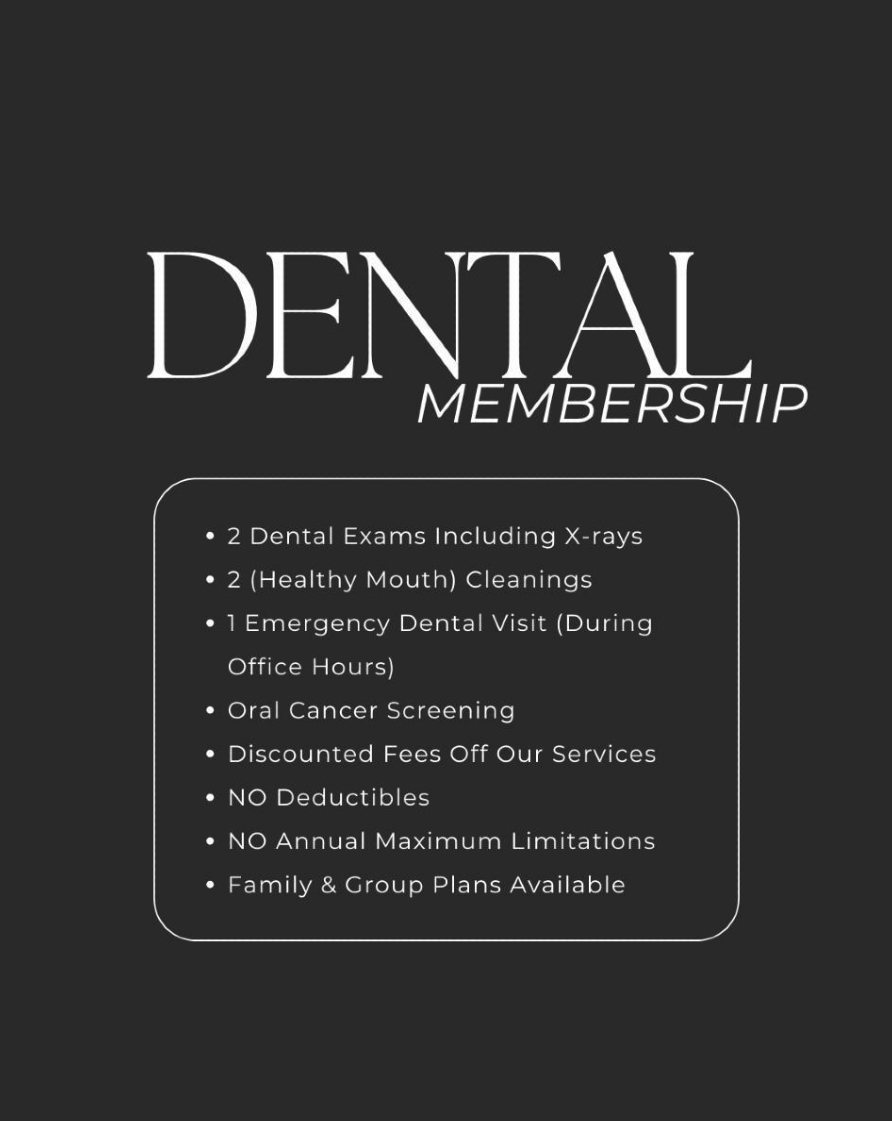
Looking for affordable dental plans in St. Louis?
We are excited to offer a membership plan for those patients who want to make Kirkwood Family Dental their home for dental care.
Who Benefits From Minimally Invasive Dentistry
While minimally invasive principles benefit all patients, certain groups experience particularly significant advantages.
Children and Adolescents: Young patients benefit tremendously from conservative approaches. Primary teeth can often be preserved through their natural exfoliation timeline using minimally invasive techniques, while permanent teeth emerging during childhood receive early protective intervention during their high-risk period. Conservative treatments create less anxiety, helping children develop positive associations with dental care that last throughout life.
Patients With Dental Anxiety: Dental phobia affects a substantial percentage of the population. For these patients, minimally invasive techniques offer genuinely different experiences. Procedures performed without traditional drilling eliminate many anxiety triggers, while shorter appointments reduce stress duration. The ability to complete treatment with minimal or no anesthesia removes concerns about needles and numbness.
Individuals With Special Healthcare Needs: Patients with physical or developmental conditions often find traditional dental treatment particularly challenging. Minimally invasive procedures require less cooperation and shorter appointment times, while techniques that work without anesthesia eliminate concerns about medication interactions or difficulty during injections. These factors make dental care more accessible for special needs populations.
Adults Seeking Long-Term Tooth Preservation: People interested in maintaining their natural teeth throughout life benefit significantly from conservative approaches. Preserved tooth structure contributes to long-term survival, while early detection prevents problems from becoming severe. These factors help patients keep their natural teeth functional and healthy into advanced age.
Seniors and Older Adults: Minimally invasive dentistry offers particular advantages for older patients. Conservative techniques work well for root surface cavities common in this age group, while silver diamine fluoride can arrest decay in patients unable to tolerate extensive procedures. Less invasive approaches accommodate physical limitations that sometimes accompany aging.
Pregnant Women: Pregnancy creates specific oral health challenges through hormonal changes that increase gum inflammation and cavity risk. Minimally invasive preventive treatments help protect teeth during this vulnerable period without requiring extensive procedures or anesthesia.
Practices like Kirkwood Family Dental, with their 30-year commitment to comprehensive family care, understand that each patient benefits from customized application of minimally invasive principles. Their approach recognizes that effective preventive and conservative care requires attention to individual needs, circumstances, and goals across all life stages.


At Kirkwood Family Dental, our expert team uses the latest techniques to transform your smile. See more before and after photos of smile makeovers. Contact us today to learn how we can help you experience a transformation firsthand.
Practical Applications in Everyday Dentistry
Minimally invasive principles translate into specific treatments and approaches patients encounter during dental visits.
Early Cavity Management: When cavities are detected in their earliest stages, remineralization treatments can often reverse the damage entirely. Fluoride varnishes, prescription-strength toothpastes, and calcium-phosphate treatments supply minerals for natural repair, often eliminating cavities without ever requiring drilling or filling.
Conservative Filling Techniques: When tooth structure has been lost and requires restoration, minimally invasive techniques remove only diseased tissue. Air abrasion or laser systems remove decay with precision. Adhesive materials bond directly to remaining tooth structure. Composite resins match tooth color and flex similarly to natural enamel.
Protective Sealants: Dental sealants create physical barriers in the deep grooves of teeth where cavities often develop. The thin plastic coating bonds to tooth enamel without requiring any tooth removal. These preventive barriers protect teeth for many years, often eliminating decay in sealed areas entirely.
Fluoride Treatments: Professional fluoride applications strengthen enamel and promote remineralization through various delivery methods. Prescription-strength products provide higher concentrations than over-the-counter options, significantly reducing cavity risk for patients with higher susceptibility to decay.
Silver Diamine Fluoride Application: This antimicrobial solution arrests active cavities while promoting remineralization through simple brushing onto affected teeth—no drilling, removal, or anesthesia required. The treatment works particularly well for young children, special needs patients, and situations where traditional restorative procedures aren't immediately feasible.
Biomimetic Restorations: When teeth require more extensive restoration, biomimetic techniques reconstruct them using materials and methods that mimic natural tooth structure. Layer-by-layer composite application recreates the natural gradation from enamel to dentin. Adhesive bonding integrates restorations with remaining tooth structure, functioning more like a natural tooth than traditional restorations.
Understanding the Boundaries and Limitations
Minimally invasive dentistry offers substantial benefits, but it's important to understand situations where more traditional approaches remain necessary.
Extensive Existing Damage: When decay has progressed to involve large portions of tooth structure, conservative treatment may not provide adequate stability. Teeth with significant structural compromise require more comprehensive restoration.
Advanced Periodontal Disease: Gum disease that has progressed to involve significant bone loss typically requires more comprehensive treatment to arrest. While minimally invasive principles still guide these procedures, the extent of disease necessitates more thorough intervention.
Root Canal Requirements: When decay or trauma reaches the nerve chamber inside a tooth, root canal therapy becomes necessary to save the tooth. While modern techniques are more conservative than older methods, accessing the tooth's interior remains necessary.
Impacted or Problematic Wisdom Teeth: Third molars that cannot erupt properly typically require extraction. While the surgical nature of wisdom tooth removal makes it inherently invasive, modern techniques, proper anesthesia, and careful post-operative care minimize discomfort and speed recovery.
Orthodontic Needs: Significant bite problems or misalignment generally require orthodontic treatment to correct. While modern clear aligners offer more conservative alternatives to traditional braces, minimally invasive dentistry focuses on complementing orthodontic treatment with excellent preventive care.
Existing Failed Restorations: Old fillings, crowns, or other restorations that have failed require replacement. While the replacement can be performed conservatively, the goal remains preserving maximum remaining tooth structure while ensuring the new restoration provides adequate function and protection.
Acute Dental Infections: Severe dental infections require aggressive treatment to prevent spread and eliminate pain. Root canal therapy or extraction becomes essential. These situations often result from delayed care that allowed problems to progress beyond the stage where minimally invasive techniques would have been effective.
The boundaries of minimally invasive dentistry reflect the reality that some dental problems require more extensive intervention. The key lies in preventing problems from reaching these stages through consistent preventive care and early intervention.
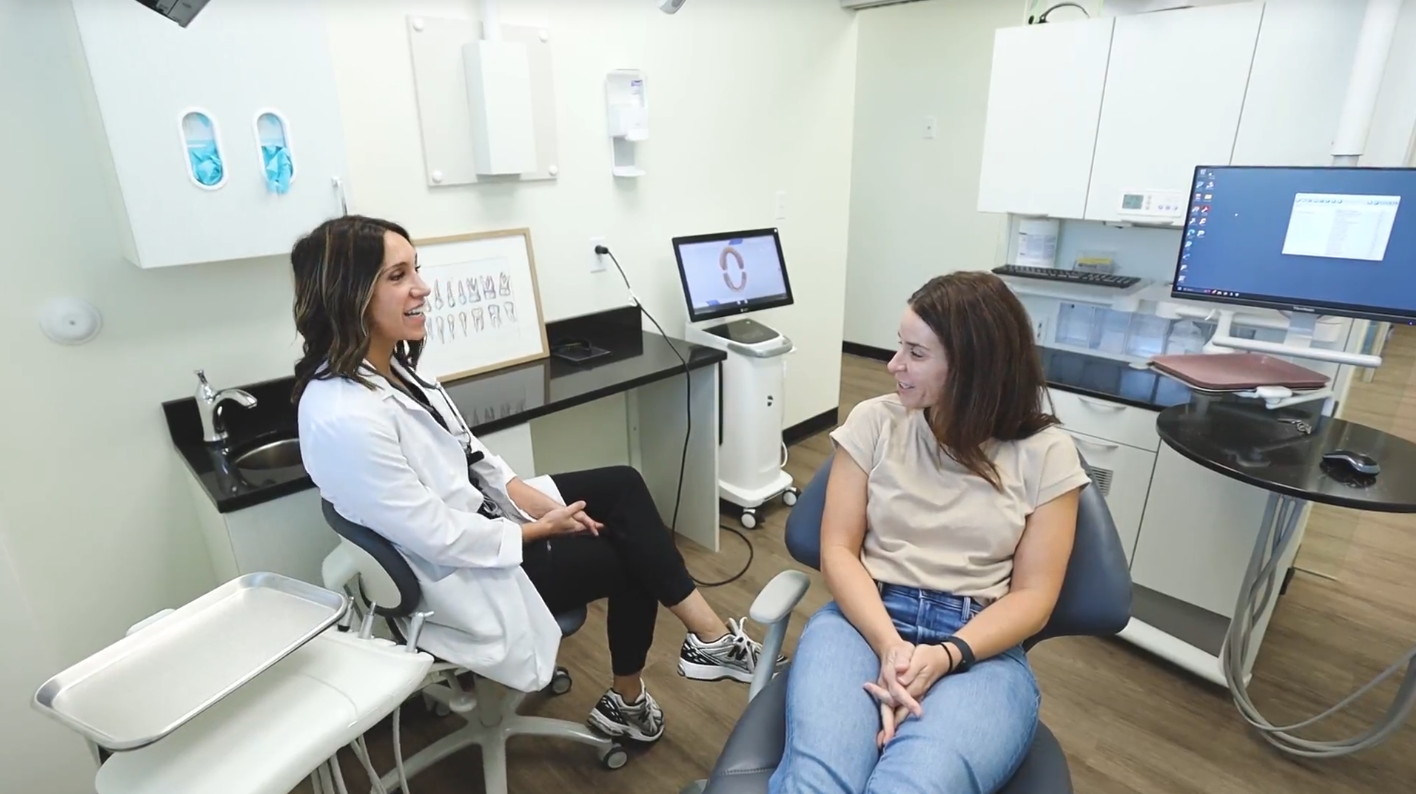
Minimally Invasive Dentistry
At Kirkwood Family Dental, we love restoring smiles. Contact our office today to schedule a no-pressure exam. We can’t wait to meet you!
Making Minimally Invasive Dentistry Work for You
Successful minimally invasive care requires partnership between dental professionals and patients. Several factors contribute to optimal outcomes.
Consistent Preventive Care: Regular dental examinations enable early detection when problems are most amenable to conservative treatment. Professional cleanings remove deposits that contribute to decay and gum disease. Patients who maintain consistent examinations experience significantly better outcomes.
Effective Home Care: Daily oral hygiene practices form the foundation of minimally invasive dentistry. Brushing twice daily with fluoride toothpaste and flossing removes plaque and provides ongoing mineral supplementation.
Risk Factor Management: Many factors affecting oral health are modifiable. Reducing sugar consumption decreases cavity risk substantially. Managing dry mouth and addressing teeth grinding prevents problems.
Treatment Acceptance When Needed: Minimally invasive dentistry works best when problems are addressed during their earliest stages. Declining recommended early treatment typically leads to problems progressing.
Long-Term Perspective: Minimally invasive dentistry emphasizes long-term tooth preservation. Investing in preventive care reduces need for extensive treatment later, while maintaining natural teeth provides better function and appearance than any replacement.
The minimally invasive approach represents a partnership where dental professionals provide expertise and technology, while patients contribute through consistent care and healthy habits.
Minimally Invasive Dentistry: FAQs
What makes minimally invasive dentistry different from traditional dentistry? Minimally invasive dentistry prioritizes prevention and early intervention over extensive restoration. It uses advanced diagnostic technology to detect problems earlier and employs conservative treatment techniques that preserve maximum natural tooth structure.
Does minimally invasive dentistry hurt less than traditional treatment? Most minimally invasive procedures involve significantly less discomfort than traditional approaches. Many treatments can be performed with minimal or no anesthesia, while techniques that preserve more natural tooth structure typically cause less post-treatment sensitivity.
Is minimally invasive dentistry more expensive? Initial visits may involve investment in advanced diagnostic technology, but minimally invasive dentistry often proves more economical long-term. Preventive treatments cost substantially less than restorative procedures, while early intervention addresses problems while they remain small and inexpensive to treat.
Can minimally invasive techniques fix all dental problems? Minimally invasive approaches work excellently for prevention, early intervention, and conservative restoration. However, some situations require more extensive treatment, including large cavities, failed restorations, or advanced gum disease.
How early can cavities be detected with minimally invasive technology? Advanced diagnostic systems can identify the earliest stages of tooth demineralization, often before cavities become visible on traditional x-rays. This early detection enables remineralization treatment that can reverse damage before cavities form.
What is remineralization and how does it work? Remineralization is the natural process by which minerals are redeposited in tooth enamel, reversing early decay. Professional treatments deliver concentrated minerals directly to weakened enamel, often reversing early cavities entirely without drilling or filling.
Are minimally invasive techniques suitable for children? Children benefit tremendously from minimally invasive approaches. Conservative techniques preserve primary teeth through their natural timeline, while early intervention protects permanent teeth during vulnerable early years. Gentle procedures create positive associations with dental care.
How does silver diamine fluoride work? Silver diamine fluoride is an antimicrobial liquid applied directly to active cavities. The silver kills bacteria causing decay while the fluoride promotes remineralization. The treatment involves simply brushing the solution onto affected teeth—no drilling, removal, or anesthesia required.
How often should I have dental checkups with minimally invasive care? Most patients benefit from examinations every six months, enabling early detection when problems are most amenable to conservative treatment. Patients with higher cavity risk or gum disease may need more frequent visits, while those with excellent oral health might extend to annual visits.
Can minimally invasive dentistry help with dental anxiety? Many aspects of minimally invasive dentistry specifically address factors that create dental anxiety. Procedures performed without traditional drilling eliminate anxiety triggers, while shorter appointments reduce stress duration. Treatment without anesthesia removes concerns about needles and numbness.
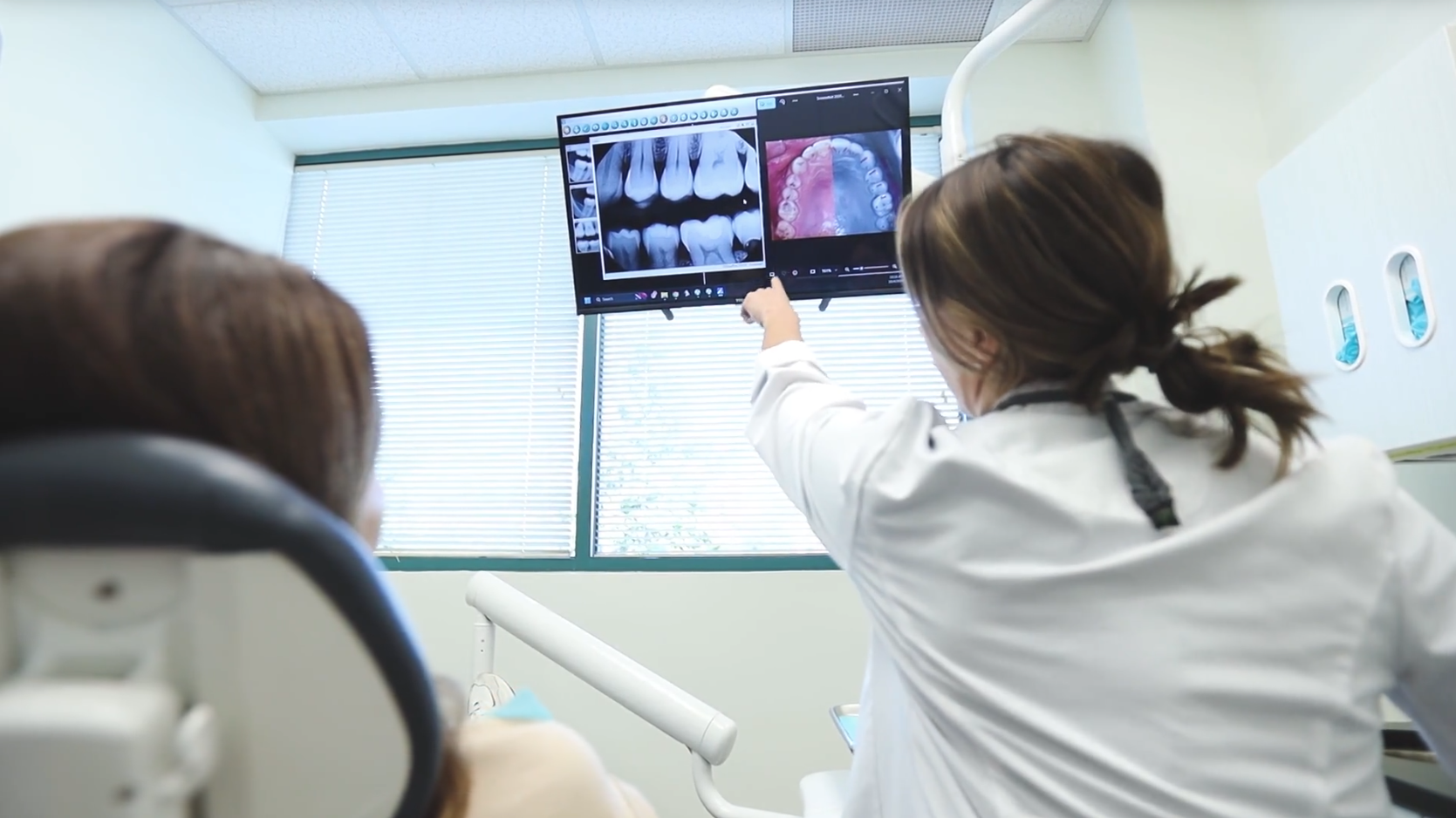
Minimally Invasive Dentistry in St. Louis
Contact us today to schedule a comprehensive dental exam. We can’t wait to meet you!
Disclaimer
This article is for informational purposes only and should not be considered medical or dental advice. The costs, procedures, and information discussed may vary based on individual circumstances, geographic location, and specific dental practices. Always consult with a qualified dental professional for personalized advice regarding your specific dental needs and treatment options.
Dental treatment costs can vary significantly based on numerous factors, including but not limited to: geographic location, complexity of treatment, materials used, individual patient needs, and insurance coverage. The price ranges provided are estimates based on general market information and should not be considered guaranteed pricing.
Individual results may vary, and the longevity of dental work depends on many factors, including oral hygiene, lifestyle habits, and regular dental care. This information does not replace professional dental consultation, examination, or diagnosis. If you have dental concerns or need treatment, please contact a qualified dental professional in your area.
