

All on 4 Dental Implants Cost: Investment Insights

Please note: Dental treatment costs can vary significantly based on geographic location, individual needs, and specific dental practices. The pricing information in this article represents typical ranges to help you understand general expectations for All on 4 treatment.
Picture this: You're at a family dinner, and everyone's digging into perfectly grilled steaks while you're carefully navigating around foods that might dislodge your dentures. Or maybe you've perfected the art of the closed-mouth smile in photos because your missing teeth have made you self-conscious for years. Perhaps you've been told you need extensive dental work, and the treatment plan seems so overwhelming—and expensive—that you've put it off indefinitely.
If any of these scenarios feel painfully familiar, you're about to discover a solution that might seem almost too good to be true: All on 4 dental implants.
Here's the thing about All on 4—the name itself sounds like it's oversimplifying something complex. Replace an entire arch of teeth with just four implants? Get a full new smile in potentially one day? It feels like one of those "miracle cure" infomercials that leave you wondering what the catch is.
But here's the reality: All on 4 represents one of the most significant breakthroughs in modern dentistry, combining innovative engineering with practical affordability to create a solution that's genuinely transforming lives. And yes, while the investment is significant, understanding exactly what you're paying for—and what you're getting in return—might completely change how you think about this treatment.
This comprehensive guide will walk you through everything you need to know about All on 4 dental implants cost, from the upfront investment to the long-term value, from hidden costs to smart financing strategies, and most importantly, from financial considerations to life-changing benefits that extend far beyond your mouth.
Ready to discover whether All on 4 might be the smile solution you've been searching for?
What All on 4 Actually Is (The Engineering Behind the Magic)
Before we dive into dollars and cents, let's talk about what makes All on 4 so revolutionary—because understanding the "why" behind the cost helps you appreciate the value.
Traditional full-mouth dental implant restoration required placing 6-8 individual implants per arch, each serving as an artificial root for replacement teeth. The process was extensive, expensive (often $40,000-$60,000 per arch), and frequently required bone grafting procedures to ensure adequate bone support.
Then came All on 4, which completely reimagined the approach.
The Brilliant Engineering Solution
All on 4 uses just four strategically placed implants to support an entire arch of replacement teeth. But here's where the engineering genius comes in: the two rear implants are placed at a 30-45 degree angle, allowing them to bypass areas of bone loss and anchor into denser bone. This angled placement creates a wider support base—like the legs of a table positioned for maximum stability—that can handle the considerable forces of chewing without requiring as many implants.
The result? A full arch of permanent teeth supported by four precisely engineered anchor points that work together to create exceptional strength and stability.
What You're Actually Getting
An All on 4 restoration isn't just replacement teeth—it's a complete oral reconstruction system that includes:
Four titanium implant posts that integrate directly with your jawbone
A custom-designed prosthetic arch containing typically 10-14 teeth
A secure attachment system that permanently connects your new teeth to the implants
Gum-colored acrylic that recreates natural gum tissue appearance
High-quality prosthetic teeth made from durable materials designed to look and function like natural teeth
Think of it as a permanent dental bridge that never comes out, supported by your own artificial tooth roots rather than relying on adjacent natural teeth or adhesives.
All on 4 vs. Traditional Dentures: Why This Changes Everything
Traditional removable dentures sit on top of your gums, held in place by suction, adhesives, and hope. They do nothing to prevent bone loss, can slip at inopportune moments, and significantly limit your chewing ability—patients typically regain only about 25% of their natural bite force with conventional dentures.
All on 4 implants, by contrast, function almost like natural teeth. Because the implants integrate with your jawbone through a process called osseointegration, they actually stimulate bone growth and prevent the facial collapse that makes denture wearers look prematurely aged. This stimulation happens because your body recognizes the titanium implants as functional tooth roots, maintaining the bone structure that would otherwise deteriorate.
Patients with All on 4 typically regain 70-80% of their natural bite force, allowing them to eat virtually anything they want. Beyond function, the prevention of bone resorption preserves your facial structure—you're not just restoring your smile, you're preventing the characteristic sunken appearance that can make people look decades older than their actual age.
It's the difference between a temporary fix and a permanent solution, between constant worry and genuine confidence, between accommodation and restoration.
The Real Investment: What All on 4 Actually Costs
Let's talk numbers—because you deserve transparent, honest information about what this treatment actually costs.
The Base Investment Range
Single Arch (Upper or Lower): $25,000-$30,000 Full Mouth (Both Arches): $50,000-$60,000
Yes, these are significant investments. But before sticker shock sets in, let's break down what influences these costs and what you're actually paying for.
What Drives the Cost Variations
Geographic Location: All on 4 in major metropolitan areas typically costs 20-30% more than in smaller cities. A procedure costing $25,000 in Castle Rock, Colorado might run $32,000 in Manhattan or $35,000 in San Francisco. This reflects differences in operating costs, laboratory fees, and general cost of living.
Material Quality: Not all All on 4 restorations are created equal. Budget options might use lower-grade prosthetic teeth and basic acrylic, while premium treatments incorporate high-end materials like zirconia or porcelain teeth with advanced gum-colored materials that look remarkably natural. These material differences can add $3,000-$8,000 to the total investment.
Surgical Complexity: Straightforward cases where implants can be placed without complications cost less than complex situations requiring additional procedures. If you need extractions, bone grafting, or treatment for gum disease before implant placement, these preparatory procedures add to the total investment.
Dentist Expertise: All on 4 requires specialized training and experience. Surgeons who have completed advanced implantology training and have extensive All on 4 experience typically command higher fees—but this expertise often translates to better outcomes, fewer complications, and longer-lasting results.
Laboratory Partnership: Your prosthetic arch is created by skilled dental technicians in a laboratory. High-end labs that use advanced materials and employ experienced ceramists charge more, but the superior aesthetics and durability often justify the investment.
What's Typically Included in the Quoted Price
When you receive an All on 4 quote, it should generally include:
✓ Comprehensive examination and treatment planning
✓ 3D imaging and digital planning (CT scans, surgical guide creation)
✓ Surgical implant placement (all four implants)
✓ Anesthesia during the procedure
✓ Temporary prosthetic teeth (worn during healing)
✓ Final custom prosthetic arch
✓ All necessary follow-up appointments during the healing phase
Additional Costs to Anticipate
Tooth Extractions: If you still have teeth that need removal before implant placement, expect $150-$400 per tooth depending on complexity.
Bone Grafting: While All on 4's angled implant design often avoids extensive bone grafting, minor grafting might still be needed in some cases, adding $500-$3,000 per site.
Sedation Options: Beyond local anesthesia, you might choose IV sedation ($500-$1,500) or general anesthesia ($1,500-$3,000) for complete comfort during the procedure.
Sinus Lift: For upper arch implants in patients with significant bone loss, a sinus lift procedure might be necessary, adding $1,500-$3,000.
Maintenance and Adjustments: While your initial treatment includes follow-up care during healing, long-term maintenance appointments, periodic adjustments, and eventual prosthetic replacement (typically after 10-15 years) represent ongoing investments.

Ready for All on 4 Dental Implants?
Schedule an appointment today to learn whether All on 4 or implant-supported dentures are right for you.
The Value Equation: Comparing Your Options
Understanding All on 4 costs in isolation doesn't tell the complete story. Let's compare this investment to your alternatives so you can make truly informed decisions.
All on 4 vs. Traditional Full-Mouth Implants
Traditional Approach:
6-8 implants per arch
Often requires extensive bone grafting
Investment: $40,000-$60,000 per arch
Timeline: 6-12 months or longer
All on 4 Approach:
4 implants per arch
Minimal or no bone grafting needed
Investment: $15,000-$30,000 per arch
Timeline: Often same-day teeth, 3-6 months to final restoration
The Math: All on 4 typically costs 40-60% less than traditional full-mouth implants while providing similar functional outcomes. You're achieving comparable results with less surgery, shorter treatment time, and significantly lower investment.
All on 4 vs. Traditional Dentures: The Complete Picture
This comparison gets really interesting when you look at the long-term picture.
Traditional Removable Dentures - 20 Year Total Cost:
Initial cost: $1,500-$3,000 per arch
Replacement every 5-7 years: $1,500-$3,000 each time (3-4 replacements)
Denture adhesives: $300-$500 annually ($6,000-$10,000 over 20 years)
Relining and adjustments: $300-$500 every 2-3 years (7-10 adjustments)
Function: Only 25% of natural chewing ability
Bone loss: Continues unchecked, causing facial collapse
Lifestyle impact: Dietary restrictions, social self-consciousness, constant maintenance
20-Year Denture Investment: $15,000-$25,000 plus the ongoing hassle and diminished life satisfaction
All on 4 Implants - 20 Year Total Cost:
Initial investment: $15,000-$30,000 per arch
Prosthetic replacement (once in 20 years): $3,000-$5,000
Routine maintenance: Included in regular dental visits
Function: 70-80% of natural chewing ability
Bone preservation: Maintains facial structure indefinitely
Lifestyle impact: Eat anything, smile confidently, minimal special care
20-Year All on 4 Investment: $18,000-$35,000 with dramatically superior function and life satisfaction
The Annual Perspective: When you break down All on 4 over 20 years, you're looking at roughly $900-$1,800 annually—$75-$150 per month—for a permanent solution that functions like natural teeth. Suddenly that initial investment looks very different.
What About Individual Implants?
If you're missing multiple teeth but not a full arch, individual implants might seem like an option. However, replacing 8-10 individual teeth with separate implants typically costs $25,000-$50,000 or more—significantly more than All on 4 for similar restoration coverage.
All on 4 becomes particularly cost-effective when you're facing extensive tooth loss or already wearing failing dentures.
What You're Really Paying For (Beyond the Obvious)
Let's talk about what that All on 4 investment actually purchases—because it's about far more than just replacement teeth.
Surgical Expertise and Advanced Planning
All on 4 requires sophisticated treatment planning using 3D imaging technology to map your jaw anatomy, identify optimal implant placement, and create surgical guides for precision placement. This digital planning phase alone represents hours of skilled work and advanced technology that ensures optimal outcomes.
The actual surgical placement requires a surgeon trained specifically in implant dentistry who understands bone biology, healing processes, and the biomechanical engineering that makes All on 4 successful. This isn't general dentistry—it's specialized surgical expertise developed through years of advanced training.
Premium Materials and Laboratory Artistry
Your prosthetic arch represents the work of skilled dental technicians who are essentially artists in their field. They're creating teeth that need to match your facial features, complement your smile line, and look natural rather than artificial. High-quality labs employ ceramists who understand not just the technical requirements but the aesthetic principles that create beautiful, confidence-inspiring results.
The materials themselves—medical-grade titanium implants, biocompatible prosthetic teeth, advanced bonding systems—are engineered specifically for long-term durability in the challenging oral environment.
Life Transformation Through Restored Function
Here's what doesn't appear on your treatment invoice but represents enormous value: the comprehensive life improvements that All on 4 restoration provides.
Nutritional Freedom and Health: The ability to eat all foods—crispy vegetables, fresh fruits, tender steaks, crunchy nuts—without worry transforms not just meals but overall nutrition and health. Many patients report improved digestion from proper chewing, better nutrient absorption, and increased energy levels. The freedom to enjoy food again impacts everything from social dining to family gatherings.
Professional Advancement: Whether you're presenting to clients, interviewing for jobs, or leading meetings, All on 4 eliminates the self-consciousness that missing teeth or unstable dentures create. Many patients report career advancements and professional opportunities that might not have materialized without this renewed self-assurance.
Social Liberation: No more avoiding gatherings, declining dinner invitations, or feeling anxious about laughing at jokes. All on 4 restores the freedom to fully engage in life without constant dental worry. Partners of All on 4 patients often report being thrilled by their loved one's renewed happiness and engagement.
Long-Term Facial Structure Preservation: This benefit extends far into the future. By maintaining your jawbone through continuous stimulation, All on 4 prevents the premature aging appearance that accompanies bone resorption. You're not just investing in today's smile—you're protecting your facial appearance for decades to come.


A smile makeover can be truly life-changing. See more before and after photos of smile makeovers. Contact us today to learn how we can help you experience a transformation firsthand.
Insurance, Financing, and Payment Strategies
The investment in All on 4 represents a significant financial commitment, but understanding your options can make treatment far more accessible than you might think.
The Insurance Reality Check
Here's the honest truth: most dental insurance provides limited coverage for All on 4 procedures. Dental plans typically classify All on 4 as a combination of "major restorative" work (covered at 50% after deductibles) and sometimes partially cosmetic (not covered).
Realistically, expect your dental insurance to cover:
Extractions if needed
Possibly a portion of implant placement (if deemed medically necessary)
Potentially some percentage of the prosthetic teeth
The total insurance contribution might range from $1,500-$5,000 depending on your specific plan—helpful, certainly, but not covering the bulk of treatment.
Medical Insurance Considerations: In some cases, medical insurance might provide partial coverage if tooth loss resulted from accident, disease, or congenital conditions. This requires specific documentation and varies greatly by insurance carrier, but it's worth exploring with your provider.
Financing Solutions That Work
Most practices offering All on 4 understand the investment involved and provide various financing options:
In-House Payment Plans: Many dental practices offer payment arrangements that allow you to spread costs over 12-24 months, sometimes interest-free for qualified patients.
Healthcare Financing Companies: Organizations like CareCredit, LendingClub, and Alphaeon specialize in healthcare financing. They often offer promotional periods (6-24 months) with zero interest if you pay off the balance within the promotional period.
Home Equity Loans or Lines of Credit: If you own a home, these typically offer the lowest interest rates for major expenses, and the interest might be tax-deductible.
Health Savings Accounts (HSAs) and Flexible Spending Accounts (FSAs): If you have access to these pre-tax accounts, using them for All on 4 effectively reduces your cost by your tax bracket percentage. A $25,000 procedure might cost you only $17,500 in after-tax dollars if you're in the 30% tax bracket.
Retirement Account Loans: Some 401(k) plans allow you to borrow against your retirement savings (though this should generally be a last resort given the impact on retirement planning).
Strategic Timing Considerations
Maximize Annual Benefits: If your insurance provides any coverage, strategic timing can help maximize benefits. Some patients schedule their procedure late in one calendar year, allowing the extraction and implant placement to use one year's benefits, then schedule the final prosthetic placement early the following year to access a fresh benefit year.
End-of-Year Financial Planning: If you have an HSA or FSA, coordinating treatment with your annual contribution limits can help optimize tax savings.
Promotional Periods: Some practices offer periodic promotions or discounts during slower periods. It never hurts to ask if any special pricing is available.
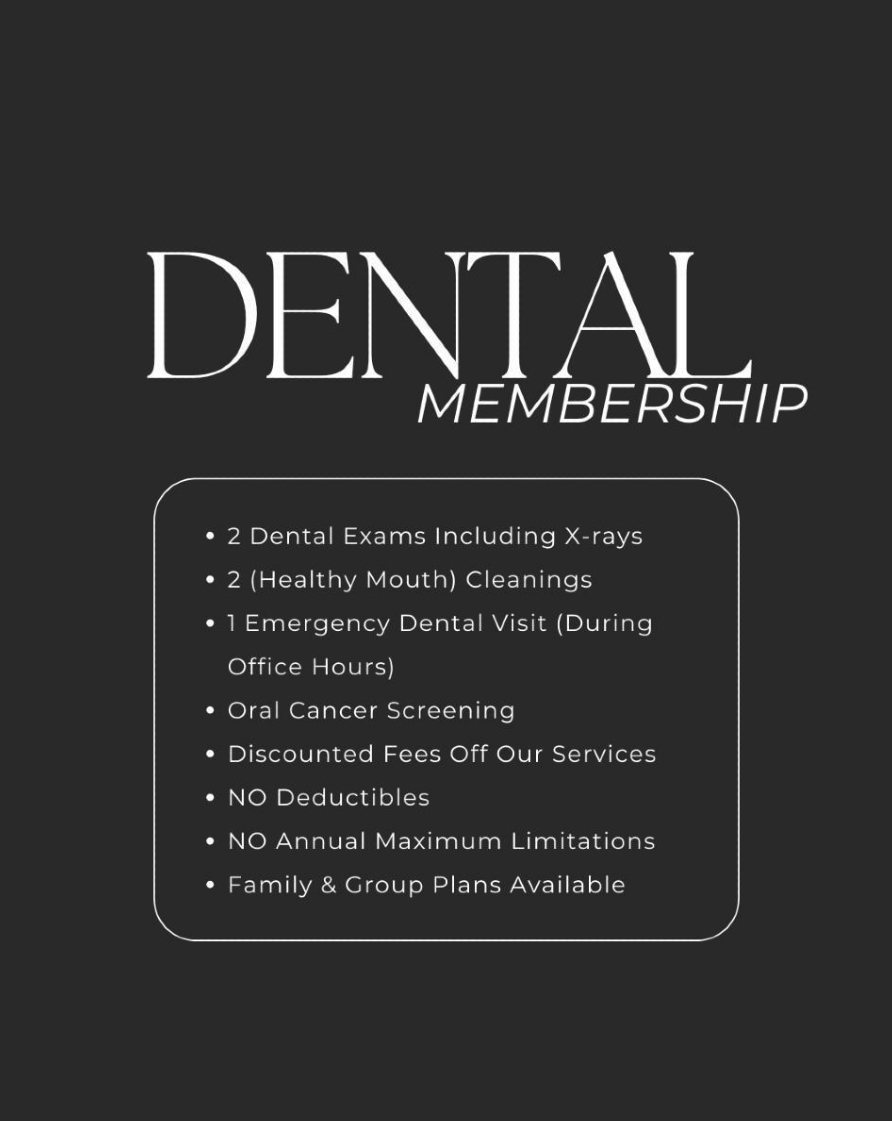
Looking for affordable dental plans in St. Louis?
We are excited to offer a membership plan for those patients who want to make Kirkwood Family Dental their home for dental care.
Is All on 4 Worth It? The Value Beyond Cost
We've talked a lot about numbers, but let's address the question that really matters: Is All on 4 actually worth this investment?
The Comprehensive Benefits
All on 4 patients consistently report improvements that extend far beyond dental function. The restoration of proper chewing ability, the elimination of dietary restrictions, and the freedom to smile without self-consciousness create ripple effects throughout all aspects of life.
Many patients describe the experience as life-changing—affecting everything from career advancement to dating confidence to simply enjoying family meals without worry. The psychological relief of addressing a source of long-standing embarrassment or anxiety often proves as valuable as the functional improvements.
The Durability Factor
All on 4 implants, when properly cared for, can last 20+ years or even a lifetime. The prosthetic teeth typically need replacement every 10-15 years, but the implants themselves often remain functional indefinitely.
Compare this to traditional dentures requiring replacement every 5-7 years, constant adjustments, and the ongoing expense and hassle of adhesives and cleaning solutions.
When All on 4 Might NOT Be the Right Choice
Honesty matters here. All on 4 isn't appropriate for everyone:
Active Gum Disease: Periodontal disease must be treated and stabilized before implant placement. Placing implants in diseased tissue significantly increases failure risk.
Uncontrolled Diabetes: Poorly managed diabetes compromises healing and increases infection risk. Diabetics can absolutely get All on 4, but blood sugar must be well-controlled first.
Heavy Smokers: Smoking dramatically increases implant failure rates. If you're unwilling to quit smoking (at least temporarily around the procedure), All on 4 success rates drop significantly.
Extreme Bone Loss: While All on 4's angled design handles moderate bone loss effectively, extremely severe bone deterioration might still require grafting or alternative approaches.
Budget Constraints Without Financing Options: If the investment is genuinely beyond your financial means even with financing, and you don't qualify for payment plans, All on 4 might not be realistic. However, it's worth exploring all possible financing options before concluding it's impossible.
Only a Few Missing Teeth: If you're only missing 2-3 teeth, individual implants or a fixed bridge might be more appropriate and cost-effective solutions.


At Kirkwood Family Dental, our expert team uses the latest techniques to transform your smile. See more before and after photos of smile makeovers. Contact us today to learn how we can help you experience a transformation firsthand.
Finding the Right All on 4 Provider
The success of your All on 4 treatment depends enormously on choosing a skilled, experienced provider. Not all practices offering All on 4 deliver equal results.
Essential Qualifications to Seek
Specialized Training: Look for providers with advanced training in implant dentistry specifically. Credentials from organizations like the International Congress of Oral Implantologists (ICOI) or the American Academy of Implant Dentistry (AAID) indicate serious commitment to implant excellence.
Demonstrated Experience: Ask how many All on 4 procedures the provider has completed. Experience matters enormously in achieving optimal outcomes and handling complications if they arise.
Technology Investment: Practices offering All on 4 should have 3D imaging capabilities (CBCT scans), digital treatment planning software, and ideally surgical guide technology that ensures precise implant placement.
Before-and-After Portfolio: Any practice doing significant All on 4 work should have extensive before-and-after photos demonstrating their results. Pay attention to how natural the final restorations look.
Questions to Ask During Consultation
How many All on 4 procedures have you personally performed?
What's your success rate, and how do you define success?
Which laboratory do you work with, and why?
What materials do you recommend for my specific situation?
What's included in the quoted price vs. potential additional costs?
What happens if complications arise during or after treatment?
What type of warranty or guarantee do you offer on the work?
How do you handle the temporary teeth phase?
Red Flags to Watch For
🚩 Pressure to commit immediately without time to consider
🚩 Quotes significantly below market rates (quality has costs)
🚩 Inability or unwillingness to show their actual work
🚩 Vague answers about experience or training
🚩 No clear explanation of what's included in pricing
🚩 Poor reviews focusing on communication issues or complications
Finding Excellence in Comprehensive Care
When you're making an investment as significant as All on 4, choosing a practice that combines technical expertise with genuine care for patient experience creates the foundation for results that exceed expectations.
Practices like Kirkwood Family Dental exemplify this comprehensive approach. With over 30 years of commitment to transforming dental visits into welcoming family experiences, they understand that major dental procedures like All on 4 involve much more than clinical excellence—they're about creating a supportive experience that patients genuinely feel comfortable with throughout the entire journey.
Their philosophy of reimagining what dental care should feel like ensures that your All on 4 journey feels collaborative, comfortable, and focused on your long-term satisfaction and well-being.

Ready to Learn More About All on 4?
At Kirkwood Family Dental, we love restoring smiles. Contact our office today to schedule a no-pressure exam. We can’t wait to meet you!
Your Next Steps: From Curiosity to Confident Decision
If you've made it this far, you're clearly serious about understanding whether All on 4 might be right for you. Here's your practical roadmap forward:
Step 1: Honest Self-Assessment
Ask yourself:
Am I missing most or all teeth in an arch, or are my remaining teeth failing?
Am I unhappy with traditional dentures or facing the prospect of full dentures?
Is my oral health otherwise stable (no active gum disease, manageable medical conditions)?
Can I commit to the investment through available financing if needed?
Am I ready to commit to good oral hygiene and regular dental care long-term?
If you answered yes to most of these, you're likely a good All on 4 candidate.
Step 2: Gather Your Financial Information
Before your consultation:
Review your dental insurance benefits (call your provider if needed)
Check if you have HSA/FSA funds available
Research financing options and check your credit
Determine your realistic budget range
Step 3: Schedule Consultations
Most All on 4 providers offer complimentary or low-cost initial consultations.
Schedule appointments with 2-3 qualified providers to:
Get comprehensive treatment plans
Receive detailed cost breakdowns
Compare approaches and recommendations
Evaluate which provider makes you feel most comfortable
Step 4: Make Your Decision
After consultations, take time to:
Compare the treatment plans and costs
Evaluate your comfort level with each provider
Review financing options and confirm affordability
Consider the long-term value beyond just initial investment
There's no pressure to decide immediately. Quality providers want you to feel completely comfortable with both the treatment decision and your choice of practice.
FAQs: All on 4 Implants Cost
How long do All on 4 implants actually last? The implants themselves, when properly cared for, can last 20+ years or even a lifetime—many patients never need implant replacement. The prosthetic arch of teeth typically needs replacement every 10-15 years as materials naturally wear. This replacement is straightforward and far less expensive than the initial procedure, usually costing $3,000-$5,000.
Does getting All on 4 hurt? The procedure is performed under anesthesia (local, IV sedation, or general anesthesia based on your preference), so you shouldn't feel pain during treatment. Most patients report the discomfort after All on 4 is less than they expected—comparable to several tooth extractions. Prescribed pain medication manages any discomfort during the first few days of healing.
Can I really get teeth in one day? In many cases, yes! All on 4 often allows for immediate loading, meaning temporary teeth are attached to your implants the same day as surgery. These temporary teeth allow you to eat soft foods and smile confidently while your implants heal and integrate with your bone over 3-6 months. You then receive your final, permanent prosthetic arch. The entire process from start to finish typically takes 3-6 months.
What's the difference between All on 4 and snap-on dentures? All on 4 creates a fixed (permanent) restoration that doesn't come out—it's screwed or cemented onto the implants. Snap-on dentures (also called overdentures) are removable prosthetics that clip onto 2-4 implants but can be taken out for cleaning. All on 4 provides superior stability and function but costs more ($15,000-$30,000 vs. $8,000-$15,000 for snap-on dentures).
Will my insurance cover any of the All on 4 cost? Most dental insurance provides limited coverage—typically covering extractions if needed and possibly 50% of implant placement after deductibles, up to annual maximums. Realistically expect $1,500-$5,000 in insurance contribution depending on your specific plan. Medical insurance might provide partial coverage if tooth loss resulted from accident, disease, or congenital conditions. See the Insurance section above for detailed strategies.
Can I get All on 4 if I have bone loss? One of All on 4's major advantages is that its angled implant design often works even with moderate bone loss, as the rear implants anchor in denser bone areas. However, extremely severe bone loss might still require grafting or alternative approaches. A 3D scan during consultation determines if you have adequate bone for All on 4.
What can I eat with All on 4 implants? Once fully healed, you can eat virtually anything—steak, corn on the cob, apples, nuts, crunchy vegetables. All on 4 provides significantly more chewing power than traditional dentures, allowing you to return to a normal, unrestricted diet. During the healing phase with temporary teeth, you'll need to stick with softer foods, but the final restoration handles all normal dietary demands.
How do I clean All on 4 implants? All on 4 care is remarkably simple—brush your prosthetic teeth just like natural teeth twice daily, paying special attention to where the prosthetic meets your gums. Water flossers work excellently for cleaning under and around the prosthetic. Regular dental visits for professional cleaning and checkups are essential. The prosthetic doesn't come out for cleaning—it stays in place permanently.
What if I only need an upper OR lower arch replaced? You absolutely can get All on 4 for just one arch if that's all you need. Single arch restoration costs $15,000-$30,000, roughly half the investment of full mouth treatment. Many patients choose to do one arch initially, then return for the second arch later if needed.
Am I too old for All on 4? Age alone doesn't disqualify you from All on 4. Patients in their 70s, 80s, and even 90s successfully receive All on 4 treatment. What matters is your overall health, healing capacity, and ability to tolerate the surgical procedure. Your medical history and current health status matter far more than your age.
What happens if an implant fails? While All on 4 has a success rate exceeding 95%, implant failure can occasionally occur, typically during the initial healing phase. Most quality providers offer warranties covering implant replacement if failure occurs. A failed implant can be removed and replaced, usually without affecting the other implants or compromising the overall restoration.
How does All on 4 compare to individual implants? Individual implants replace each missing tooth with its own implant and crown—ideal for replacing 1-3 teeth but impractical and expensive for replacing entire arches. Replacing 10-12 teeth individually might cost $30,000-$60,000 or more, take longer, and require more surgery than All on 4, which accomplishes the same restoration for $15,000-$30,000.
What's the actual procedure timeline from start to finish? The typical All on 4 timeline includes: initial consultation (1-2 hours), surgical planning and preparation (1-2 weeks), surgery day with temporary teeth placement (4-6 hours), healing period with temporary teeth (3-6 months), and final prosthetic placement (2-3 appointments over 2-3 weeks). Total time from consultation to final teeth is usually 4-7 months, though you have functional temporary teeth throughout most of this period.

All on 4 in St. Louis
Contact us today to learn whether All on 4 or implant-supported dentures are right for you.
Disclaimer
This article is for informational purposes only and should not be considered medical or dental advice. The costs, procedures, and information discussed may vary based on individual circumstances, geographic location, and specific dental practices. Always consult with a qualified dental professional for personalized advice regarding your specific dental needs and treatment options.
Dental treatment costs can vary significantly based on numerous factors, including but not limited to: geographic location, complexity of treatment, materials used, individual patient needs, and insurance coverage. The price ranges provided are estimates based on general market information and should not be considered guaranteed pricing.
Individual results may vary, and the longevity of dental work depends on many factors, including oral hygiene, lifestyle habits, and regular dental care. This information does not replace professional dental consultation, examination, or diagnosis. If you have dental concerns or need treatment, please contact a qualified dental professional in your area.
