

How Much Does a Deep Cleaning Cost: Your Complete Guide

Please note: Dental treatment costs can vary significantly based on geographic location, individual needs, and specific dental practices. The pricing information in this article represents typical costs to help you understand general expectations for deep cleaning treatment.
Deep Cleaning Cost Breakdown
Deep Cleaning Cost Range: $250-$350 per quadrant (your mouth is divided into four sections)
Full Mouth Total: $800-$1,400 for complete treatment
Insurance Coverage: Most plans cover 50-80% when medically necessary
Procedure Time: 1-2 hours per quadrant
Recovery: Most patients return to normal activities same day
Let's talk about that moment when your dentist drops the news: "You're going to need a deep cleaning."
Cue the internal panic. Your mind immediately starts racing: Wait, what? I brush twice a day! How deep are we talking? And more importantly, how much is this going to cost me?
If you've been spiraling into worst-case financial scenarios, take a breath. You're about to get the complete, honest breakdown of what deep cleaning actually costs, why your dentist is recommending it, and how to make this important treatment fit your budget.
Here's the thing: deep cleaning (officially called scaling and root planing) is one of those dental procedures that sounds way more dramatic than it actually is. And while yes, it costs more than your regular cleaning, understanding what you're paying for—and what happens if you skip it—makes the investment make a whole lot more sense.
Ready to decode the pricing mystery and figure out your next steps? Let's dive in.
What Actually IS a Deep Cleaning? (And Why Your Dentist Suddenly Recommends It)
First things first: a deep cleaning isn't just a "really thorough" version of your regular cleaning. It's a completely different procedure designed to treat a specific problem—gum disease.
The Tale of Two Cleanings
Your Regular Cleaning (Prophylaxis):
This is the maintenance cleaning you get twice a year. Your hygienist removes plaque and tartar from above your gum line, polishes your teeth, maybe applies fluoride, and sends you on your way. It's preventive care designed to keep healthy gums healthy.
Deep Cleaning (Scaling and Root Planing):
This is therapeutic treatment for gum disease. Your hygienist or dentist goes below the gum line to remove bacteria, plaque, and tartar that have accumulated in the pockets between your teeth and gums. Then they smooth the root surfaces to help your gums reattach to your teeth and prevent future bacterial buildup.
Think of it this way: regular cleanings are like routine house cleaning—vacuuming, dusting, keeping things tidy. Deep cleaning is like addressing water damage in your walls. You're not just cleaning the surface; you're treating an actual problem that's developed over time.
The Warning Signs That Led You Here
Your dentist doesn't randomly decide you need a deep cleaning. They're seeing specific evidence that gum disease has progressed beyond what regular cleanings can address:
Pocket Depth: Healthy gums have shallow pockets around your teeth (1-3mm). When your dentist measures and finds pockets of 4mm or deeper, that's a red flag that bacteria are accumulating below the gum line.
Bleeding Gums: If your gums bleed easily during brushing, flossing, or cleanings, that's inflammation from bacterial infection—not just "brushing too hard."
Bone Loss: X-rays might show bone loss around your teeth, which happens when gum disease progresses and your body's immune response actually destroys the bone supporting your teeth.
Tartar Buildup Below the Gum Line: Sometimes you can't see this with your eyes, but your dentist can detect the rough, hardened tartar deposits that harbor bacteria beneath your gums.

Ready for a Deep Cleaning?
If you think you might need a deep cleaning, we can help. Contact our office today to schedule a no-pressure dental exam with the latest in comfort care technology.
The Real Talk About Deep Cleaning Costs
Deep cleaning typically costs $150-$350 per quadrant of your mouth. Your mouth is divided into four quadrants (upper right, upper left, lower right, lower left), and most people need all four quadrants treated.
Total Cost for Full Mouth Treatment: $800-$1,400
Now, before that number sends you into sticker shock, let's break down what influences these costs and what you're actually getting for this investment.
What Actually Influences the Price
Geographic Location:
Major metropolitan areas (New York, San Francisco, Los Angeles, Boston): $250-$350 per quadrant
Suburban and rural areas: $150-$250 per quadrant
Location reflects operating costs, not quality of care
Provider Type:
Periodontists (gum specialists) may charge more but typically handle severe cases
General dentists are equally qualified for most deep cleaning cases
Both provide quality treatment; the difference is often case complexity
Practice Investment:
Practices with advanced technology, specialized training, and comprehensive patient care often command fees reflecting their expertise and the superior experience they provide.
Individual Case Complexity:
Severity of gum disease
Amount of tartar buildup
Number of quadrants requiring treatment
Any additional medications or treatments needed
Why Deep Cleaning Costs More Than Regular Cleaning
It's a fair question. Your regular cleaning costs $75-$200 for your entire mouth. Why does deep cleaning cost so much more?
Time Investment: A regular cleaning takes 30-45 minutes for your whole mouth. Deep cleaning requires 1-2 hours per quadrant, with most patients needing 2-4 appointments to complete treatment. That's 4-8 hours of specialized work versus 30 minutes of maintenance.
Technical Complexity: Deep cleaning requires accessing deep gum pockets and meticulously cleaning root surfaces without damaging delicate tissue. It's technically demanding work requiring specialized training and careful precision.
Anesthesia Required: Most deep cleanings require local anesthesia to keep you comfortable while working below the gum line. Regular cleanings rarely need anesthesia.
Therapeutic Treatment: You're not paying for cleaning—you're paying for treatment of an active disease process. This is restorative therapy designed to halt gum disease progression, not routine maintenance.


A smile makeover can be truly life-changing. See more before and after photos of smile makeovers. Contact us today to learn how we can help you experience a transformation firsthand.
What You're Actually Paying For: Understanding the Procedure
Understanding what happens during deep cleaning helps explain the investment. This is a multi-step therapeutic procedure, not just aggressive scrubbing.
The Treatment Process
Step One: Anesthesia
our hygienist or dentist numbs the treatment area with local anesthetic, ensuring comfort throughout. You'll feel pressure but no pain.
Step Two: Scaling
Using specialized hand instruments and ultrasonic scalers, your hygienist carefully removes all plaque, tartar, and bacterial toxins from below the gum line, reaching into those deep pockets where bacteria have been multiplying.
Step Three: Root Planing
Your hygienist smooths the rough surfaces of your tooth roots, removing microscopic bacterial toxins and creating clean, smooth surfaces. This smoothness helps your gums heal and reattach to your teeth while making it harder for bacteria to accumulate in the future.
Step Four: Antimicrobial Treatment
Many dentists finish with an antimicrobial rinse or place antibiotic medication in the cleaned pockets to support healing and reduce bacterial load.
Why Treatment Spans Multiple Appointments
Most dentists treat one or two quadrants per appointment rather than attempting your entire mouth at once:
Practical Anesthesia: Numbing your entire mouth would leave you unable to eat, speak clearly, or function normally for hours. Treating one side at a time is far more practical.
Optimal Attention: Treating fewer quadrants per session allows your hygienist to work thoroughly and carefully without rushing through extensive treatment.
Healing Progression: Your gums need time to begin healing between treatments, and your dentist can assess how you're responding before continuing.
Insurance Coverage: Navigating the Financial Reality
Unlike regular cleanings (which most insurance covers 100%), deep cleaning falls into a different category that typically involves out-of-pocket costs.
How Insurance Handles Deep Cleaning
Classification: Most plans classify deep cleaning as "periodontal treatment" or "basic restorative" care, not preventive care, which affects coverage levels.
Typical Coverage: When deemed medically necessary, most plans cover 50-80% of costs after you meet your deductible. The exact percentage depends on your specific plan.
Medical Necessity Documentation: Your dentist documents pocket depths, bone loss, and other clinical findings proving deep cleaning is medically necessary. This documentation gets submitted to your insurance for approval.
Annual Maximum Impact: Deep cleaning can consume a significant portion of your annual maximum benefit (typically $1,000-$2,000), potentially affecting your ability to get other needed dental work that year.
The “Medical Necessity” Requirement
Insurance won't cover deep cleaning without clinical evidence:
Pocket depths of 4mm or greater
Evidence of bone loss on X-rays
Documentation of bleeding and inflammation
Clinical diagnosis of periodontal disease
Your dental office should provide this documentation when submitting your pre-authorization (which we strongly recommend getting before starting treatment).
Real-World Cost Scenarios
Let's run realistic scenarios so you know what to expect:
Best Case (Comprehensive Insurance):
Total procedure cost: $1,200
Insurance covers 80%: $960
Your out-of-pocket: $240
Typical Case (Standard Insurance):
Total procedure cost: $1,200
Insurance covers 50%: $600
Your out-of-pocket: $600
Challenging Case (High Deductible Plan):
Total procedure cost: $1,200
$50 per quadrant deductible: $200
Insurance covers 50% of remaining: $500
Your out-of-pocket: $700
Without Insurance:
Your out-of-pocket: Full $600-$1,400 depending on your area and practice


At Kirkwood Family Dental, our expert team uses the latest techniques to transform your smile. See more before and after photos of smile makeovers. Contact us today to learn how we can help you experience a transformation firsthand.
The "What If I Just Skip It?" Question (And Why That's Risky)
When you're looking at a $600-$1,400 bill for something that doesn't hurt and isn't obviously visible, the temptation to postpone is real. But here's what that decision actually means.
The Progression Timeline Nobody Talks About
Gum disease doesn't pause because you're not ready to deal with it. Here's what typically happens when diagnosed periodontal disease goes untreated:
Months 0-6 (The Quiet Destruction):
Your gums continue receding, pockets deepen, and bacteria continue destroying the bone supporting your teeth. You might not notice much change—gum disease is often painless until it's severe.
Months 6-18 (The Visible Consequences):
Bone loss becomes more significant. Teeth might start feeling loose. You might develop persistent bad breath that mouthwash can't fix. Food gets stuck in spaces between your teeth more easily.
Beyond 18 Months (The Crisis Point):
You're now potentially facing tooth loss, needing aggressive periodontal surgery, or looking at dental implant costs that make that original deep cleaning look like pocket change.
The Real Cost Comparison
Let's talk numbers, because sometimes seeing the financial reality helps clarify decisions:
Deep Cleaning and Maintenance:
Initial full mouth treatment: $600-$1,400
Follow-up maintenance cleanings: $100-$200 every 3-4 months
First-year total investment: roughly $1,000-$2,000
Delaying Treatment - Potential Costs:
Advanced periodontal disease treatment: $1,000-$3,000+
Periodontal surgery: $500-$3,000 per quadrant
Tooth extraction: $75-$450 per tooth
Dental implant to replace lost tooth: $3,000-$6,000 per tooth
Potential total if multiple teeth affected: $5,000-$15,000+
That deep cleaning investment is starting to look like preventive wisdom rather than an expense.
The Health Connections Beyond Your Mouth
Untreated gum disease connects to broader health concerns that extend far beyond dental bills:
Cardiovascular Risk: Research shows strong links between periodontal disease and heart problems, with oral bacteria potentially entering your bloodstream and affecting your heart.
Diabetes Complications: Gum disease makes blood sugar harder to control, and uncontrolled diabetes makes gum disease worse—creating a dangerous cycle.
Pregnancy Risks: Pregnant women with periodontal disease face higher risks of premature birth and low birth weight babies.
Respiratory Issues: Bacteria from periodontal disease can be inhaled into your lungs, potentially causing respiratory infections.
Your mouth isn't separate from the rest of your body. Treating gum disease is genuinely an investment in your overall health, not just your teeth.
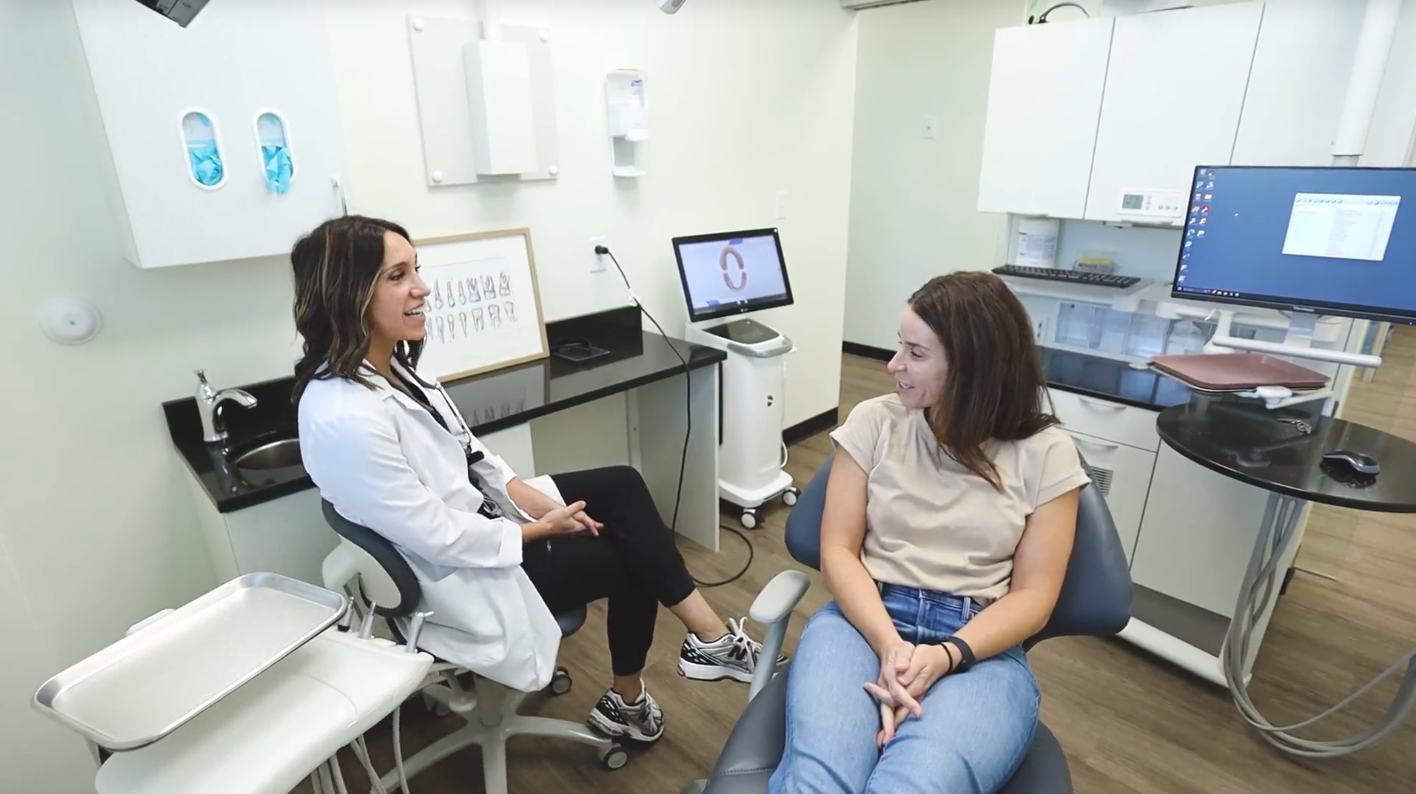
Ready for a Deep Cleaning?
At Kirkwood Family Dental, we love restoring smiles. Learn more by contacting our office today. We can’t wait to meet you!
Making It Affordable: Payment Strategies That Actually Work
You have options beyond paying the full amount upfront or maxing out a credit card. Here are realistic strategies that make deep cleaning accessible.
Pre-Authorization: Your First Smart Step
Before scheduling treatment, ask your dental office to submit a pre-authorization to your insurance. This tells you exactly what your insurance will cover and what you'll owe before you commit to treatment. No surprises.
Strategic Timing with Insurance Benefits
New Year Strategy: If you're approaching the end of your benefit year and haven't used much of your annual maximum, consider starting deep cleaning before year-end, then complete remaining quadrants in the new benefit year.
Example:
December: Treat 2 quadrants using 2024 benefits
January: Treat 2 quadrants using 2025 benefits
Result: Spread costs across two annual maximums, potentially reducing out-of-pocket by $200-$400
In-House Payment Plans
Many dental practices offer payment plans that allow you to spread costs over several months without interest. Don't be shy about asking—dental offices would rather work with you on payment than have you skip necessary treatment.
Typical arrangements:
3-6 month payment plans
No credit check required
No interest if paid within agreed timeframe
Healthcare Financing Options
CareCredit and Similar Services:
Third-party healthcare financing can offer:
Promotional periods with 0% interest (typically 6-24 months)
Longer repayment terms if needed
Quick online approval process
Can be used for other healthcare needs too
Important: Read the terms carefully. If you don't pay off the balance within the promotional period, you might face retroactive interest charges.
HSA and FSA Tax Advantages
If you have a Health Savings Account (HSA) or Flexible Spending Account (FSA), deep cleaning is an eligible expense. This means you're using pre-tax dollars, effectively giving yourself a discount equal to your tax bracket.
Example:
Deep cleaning cost: $800
Your tax bracket: 25%
Tax savings: $200
Your real cost: $600
Dental School Alternative
If you live near a dental school, their clinic might offer significantly reduced fees (sometimes 30-50% less) for treatment performed by dental students under expert supervision. Treatment takes longer since students work more carefully and methodically, but the quality is excellent and the savings are substantial.
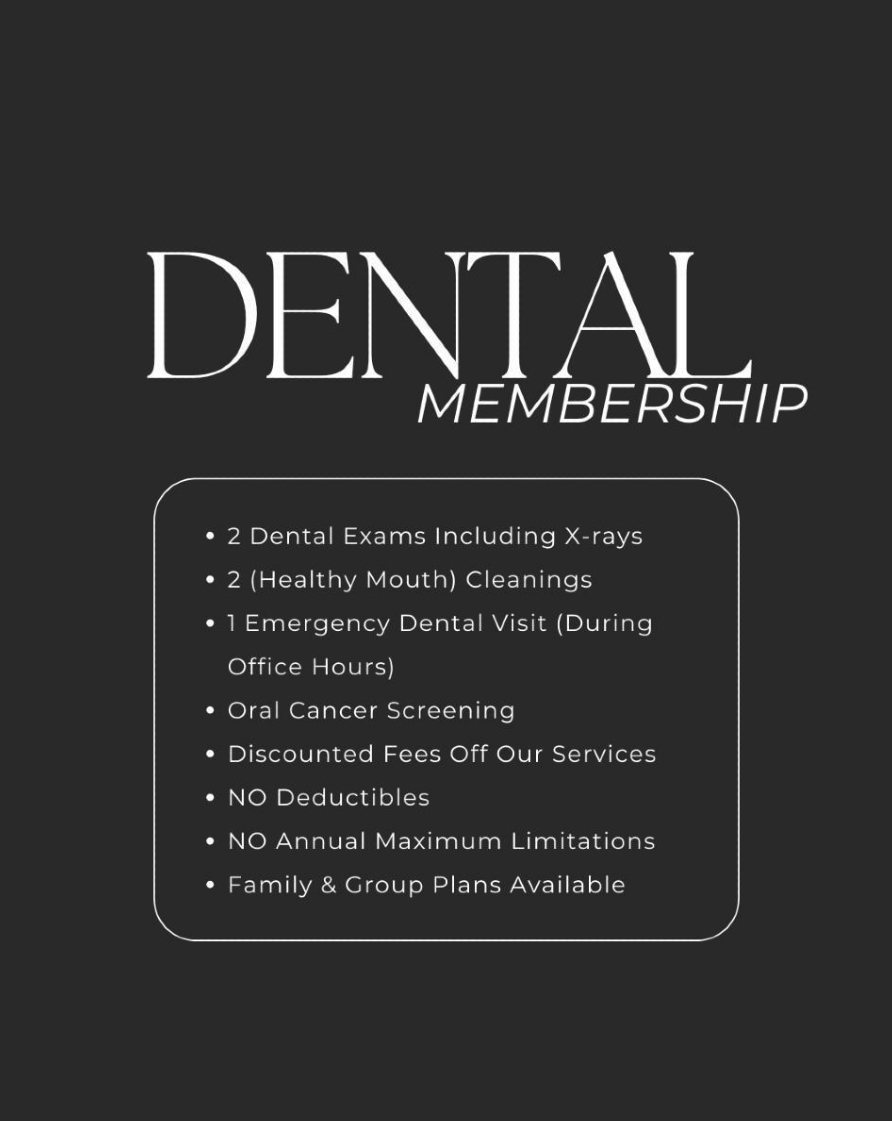
Looking for affordable dental plans in St. Louis?
We are excited to offer a membership plan for those patients who want to make Kirkwood Family Dental their home for dental care.
What to Expect: The Treatment Experience
Understanding the experience helps reduce anxiety and allows you to plan appropriately for work and other commitments.
During Your Appointment
Comfort Level: With proper anesthesia, you shouldn't feel pain—maybe some pressure and vibration from the instruments, but not pain. If you do feel discomfort, let your hygienist know immediately so they can add more anesthetic.
Sounds and Sensations: The ultrasonic scaler makes a high-pitched sound and creates vibrations. The water spray keeps everything cool and rinses away debris. These sensations are normal and not harmful.
Duration: Plan for 1-2 hours per quadrant appointment. Bring headphones if music helps you relax.
Communication: You can raise your hand if you need a break. Most hygienists will give you periodic breaks anyway, especially during longer sessions.
The First 24-48 Hours
Sensitivity: Your teeth and gums will likely feel sensitive to temperature and touch. This is completely normal and typically subsides within a few days.
Soreness: Your gums might feel tender, similar to the feeling after vigorous flossing. Over-the-counter pain relievers (ibuprofen or acetaminophen) usually provide adequate relief.
Eating: Stick to soft, room-temperature foods for the first day. Think yogurt, smoothies, mashed potatoes, pasta, scrambled eggs. Avoid:
Very hot or cold foods
Crunchy or hard foods
Spicy foods
Alcohol
Oral Hygiene: Continue brushing and flossing, but be gentle around the treated areas. Your dentist might recommend a special antimicrobial rinse or give you specific instructions.
The Healing and Maintenance Timeline
Week One: Sensitivity decreases significantly. You can gradually return to your normal diet, though you might still want to be cautious with temperature extremes.
Weeks 2-4: Your gums begin healing and tightening around your teeth as inflammation decreases. You might notice your gums look pinker and healthier.
4-6 Weeks: Follow-up appointment with your dentist to assess healing and measure pocket depths. Ideally, pockets have decreased and inflammation has resolved.
Ongoing Care: Here's the critical part many people don't realize—deep cleaning starts your gum disease treatment, but ongoing maintenance keeps the disease under control. You'll need periodontal maintenance cleanings every 3-4 months (instead of the usual 6 months) at $100-$200 per visit. Once you've had gum disease, you're more susceptible to recurrence, so more frequent professional cleanings keep bacteria under control and catch any problems early.
Home Care is Critical: Your daily brushing and flossing become even more important after deep cleaning. You're not just maintaining clean teeth—you're actively managing a chronic condition.
Questions to Ask Your Dentist Before Deep Cleaning
Walking into your consultation prepared helps ensure you understand your treatment and feel confident in your decisions.
About Your Diagnosis:
What pocket depths are you seeing in my mouth?
Can you show me the X-rays indicating bone loss?
How advanced is my gum disease?
What happens if I delay treatment?
About the Treatment Plan:
Do I need all four quadrants treated, or only certain areas?
Can we prioritize the most affected areas first?
What's the recommended timeline for completing treatment?
Will you perform the treatment, or will a hygienist?
About Costs and Insurance:
What's the total cost for my specific treatment plan?
Will you submit a pre-authorization to my insurance?
What exactly will my insurance cover?
Do you offer payment plans?
Are there any additional costs I should anticipate?
About Aftercare:
What will my maintenance schedule look like after treatment?
What home care products do you recommend?
What signs should prompt me to call your office?
Finding the right dental practice makes all the difference in your treatment experience and long-term outcomes. Practices like Kirkwood Family Dental, with their three decades of experience making dental care feel welcoming rather than stressful, understand that procedures like deep cleaning involve more than just clinical treatment—they're about supporting you through a health challenge with expertise, compassion, and genuine care for your wellbeing.
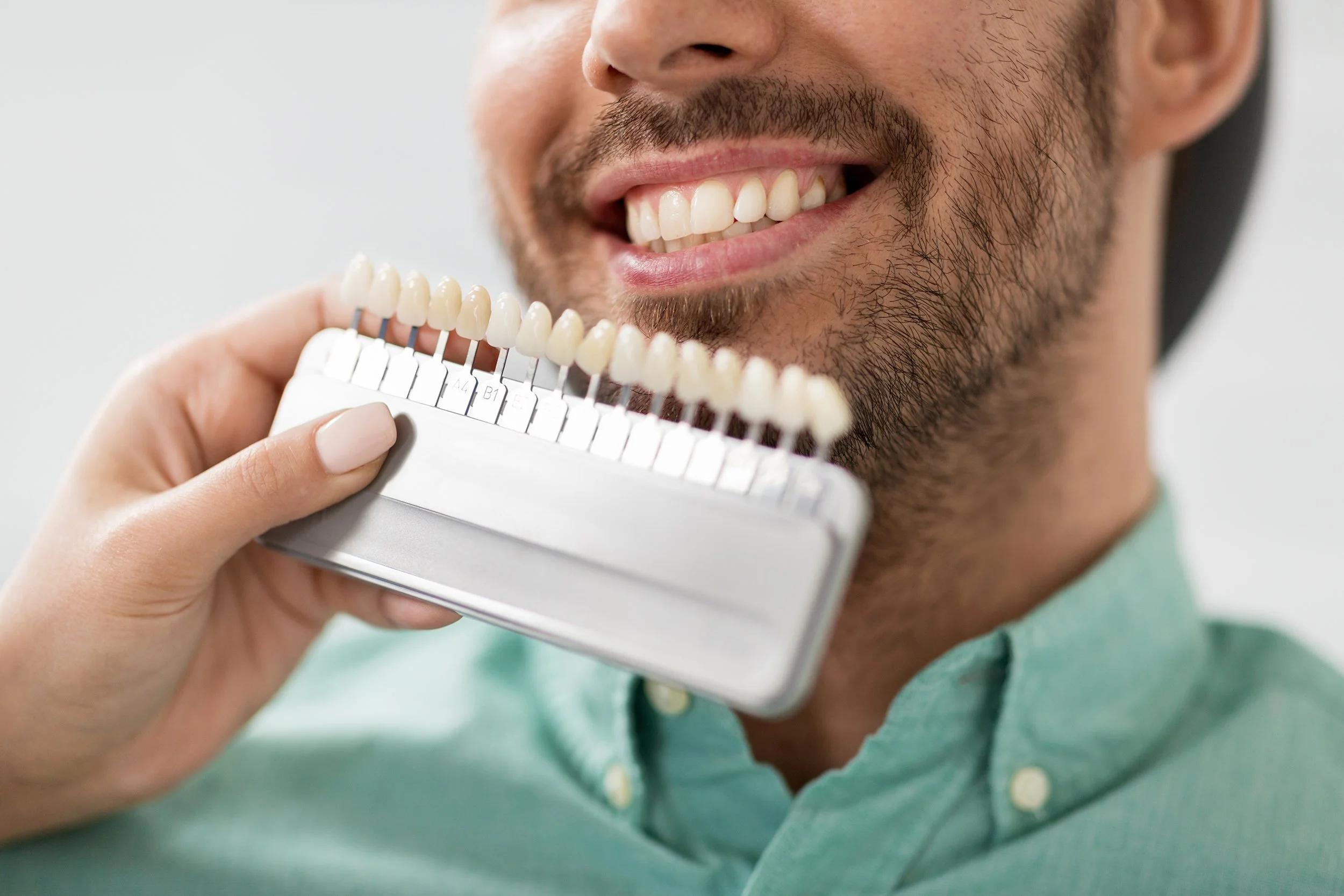
Deep Cleanings in St. Louis
Deep cleaning isn't your regular cleaning—it's a targeted treatment that goes below the gum line to stop gum disease in its tracks. Schedule a no-pressure exam today to see if you need a deep cleaning.
Frequently Asked Questions
How much does a deep cleaning cost without insurance?
Expect to pay $600-$1,400 for complete full mouth treatment ($150-$350 per quadrant) depending on your geographic location and the dental practice. Urban areas typically cost more than rural areas.
Is deep cleaning painful?
With proper local anesthesia, you shouldn't feel pain during the procedure—you'll feel pressure and vibrations, but not pain. Some sensitivity and mild soreness for a few days after treatment is normal and manageable with over-the-counter pain relievers.
Will my insurance cover deep cleaning?
Most dental insurance plans cover 50-80% of deep cleaning costs when it's deemed medically necessary for treating periodontal disease. Your dentist needs to document clinical findings like pocket depths and bone loss to justify the treatment to your insurance company.
How long does a deep cleaning take?
Each quadrant typically takes 1-2 hours to treat thoroughly. Most patients complete full mouth treatment over 2-4 appointments scheduled a week or two apart.
How is deep cleaning different from regular cleaning?
Regular cleaning removes plaque and tartar from above the gum line and is preventive care for healthy gums. Deep cleaning treats existing gum disease by cleaning below the gum line, removing bacteria from deep pockets, and smoothing root surfaces to help gums heal.
Do I really need deep cleaning if my teeth don't hurt?
Yes. Gum disease is often painless until it's quite advanced. Pocket depths, bone loss visible on X-rays, and bleeding gums are clinical indicators that you need treatment, even if you feel fine. Waiting until it hurts often means the disease has progressed to a more serious stage.
Can I just get better at brushing instead of getting deep cleaning?
Unfortunately, no. Once tartar forms below the gum line and bacteria colonize deep pockets, home care alone cannot remove it. You need professional intervention with specialized instruments to access and clean these areas.
What happens if I can't afford deep cleaning right now?
Talk honestly with your dental office about payment plans, financing options, or treating the most critical quadrants first and completing treatment later. Delaying treatment allows gum disease to progress, ultimately costing more in both dental work and potential tooth loss.
Can I eat normally after deep cleaning?
Stick to soft, room-temperature foods for the first 24 hours. You can gradually return to your normal diet over the next few days as sensitivity decreases. Avoid very hot, cold, crunchy, or spicy foods initially.
How soon after deep cleaning will I see results?
Many patients notice reduced bleeding and healthier-looking gums within 1-2 weeks. Your dentist will assess healing and measure pocket depths at a follow-up appointment about 4-6 weeks after treatment to confirm improvement.
Will I need deep cleaning more than once?
The initial deep cleaning treatment is typically a one-time procedure per affected area. However, you'll need more frequent maintenance cleanings every 3-4 months to prevent the disease from recurring.
Can deep cleaning reverse gum disease?
Deep cleaning can stop gum disease progression and help gums heal and reattach to teeth. However, any bone loss that has already occurred is typically permanent. The goal is halting further damage and maintaining stability with ongoing care.
Disclaimer
This article is for informational purposes only and should not be considered medical or dental advice. The costs, procedures, and information discussed may vary based on individual circumstances, geographic location, and specific dental practices. Always consult with a qualified dental professional for personalized advice regarding your specific dental needs and treatment options.
Dental treatment costs can vary significantly based on numerous factors, including but not limited to: geographic location, complexity of treatment, materials used, individual patient needs, and insurance coverage. The price ranges provided are estimates based on general market information and should not be considered guaranteed pricing.
Individual results may vary, and the longevity of dental work depends on many factors, including oral hygiene, lifestyle habits, and regular dental care. This information does not replace professional dental consultation, examination, or diagnosis. If you have dental concerns or need treatment, please contact a qualified dental professional in your area.
