

Teeth Whitening vs. Veneers: Which Is Right for Your Smile?
This article is for informational purposes only and does not constitute dental or medical advice. Always consult a qualified dental professional before pursuing any treatment.
You've decided you want a brighter, more confident smile. What's harder is figuring out how to get there — and specifically, whether teeth whitening or veneers is the right path for you.
Both treatments appear in the same conversations and the same before-and-after galleries. From the outside, they can seem like two versions of the same solution. But they're not — and choosing between them without understanding the distinction can mean spending money on a treatment that doesn't solve your actual problem or committing to a more involved procedure when a simpler one would have delivered the result you were looking for.
This guide provides an honest, complete picture so you can walk into a consultation already informed — covering what each treatment does, where each falls short, how they compare across the dimensions that matter most, and how to think through the decision for your situation.
Understanding the Fundamental Difference
The most important thing to understand about teeth whitening and veneers is that they are not interchangeable options for the same goal. They solve different problems.
Teeth whitening is a chemical treatment. It uses peroxide-based agents to lighten the natural color of your tooth enamel. That's all it does — and in the right circumstances, that's enough to produce genuinely dramatic results. The teeth remain exactly as they are in terms of shape, size, and structure. Only their color changes.
Veneers are a restorative and cosmetic treatment. They are thin shells — typically made of porcelain or composite resin — that bond permanently to the front surfaces of your teeth. They don't change your enamel; they cover it. And in doing so, they can simultaneously address color, shape, size, length, and minor spacing issues all at once.
This distinction matters because the right choice isn't about which treatment produces a prettier result — it's about which treatment addresses what's actually bothering you about your smile. Discoloration that developed gradually from dietary habits is a fundamentally different problem than teeth that are chipped, uneven, or stained from internal causes, and those problems require different solutions.
Teeth Whitening — A Closer Look
Professional teeth whitening is one of the most accessible cosmetic dental treatments available — when you're the right candidate, the results can be striking and the commitment is minimal.
How Professional Whitening Works
Whitening treatments use hydrogen peroxide or carbamide peroxide to penetrate tooth enamel and break apart the molecular bonds that cause discoloration. Because this is a chemical process that works within the enamel itself, it produces results that go well beyond what any whitening toothpaste or over-the-counter strip can achieve.
Professional whitening comes in two primary forms. In-office whitening is performed in a single appointment, typically lasting one to two hours. A higher-concentration gel is applied to the teeth, often activated with a light or laser, and results are immediate — most patients see their teeth brighten by several shades in one session. Take-home systems use custom-fitted trays and a prescription-strength gel worn for one to two hours daily over one to two weeks. The concentration is lower, but the extended contact time produces comparable results, and many dentists recommend take-home trays as a follow-up to maintain progress over time.
What Whitening Can and Can't Fix
Whitening works on extrinsic staining — discoloration that has accumulated on or within the enamel layer from external sources. Coffee, tea, red wine, tobacco, and certain foods are the most common culprits. Teeth that have gradually yellowed or dulled over time due to these lifestyle factors are typically excellent candidates for whitening, and the transformation can be genuinely dramatic.
Whitening does not work on dental restorations. Crowns, bridges, bonding, and existing veneers will not respond to whitening agents. If you have visible restorations on your front teeth, whitening the surrounding natural teeth can create a noticeable shade mismatch rather than a uniform improvement — an outcome that's easy to avoid with a brief conversation before treatment begins. This is worth discussing with your dentist before starting any whitening.
Whitening also cannot change the shape or structure of your teeth, close gaps, or address chips and cracks. If your concerns extend meaningfully beyond color, whitening alone won't resolve them.
Who Is a Good Candidate, and How Long Do Results Last?
The ideal whitening candidate has healthy teeth and gums, no significant restorations on the visible front teeth, and discoloration that is extrinsic in origin. Patients with existing sensitivity should discuss this with their dentist beforehand, as whitening — particularly in-office treatment — can temporarily increase sensitivity in the days following the procedure.
Results are not permanent. Patients who consume staining foods and beverages regularly may see color regression within several months; those who are more mindful of dietary choices and use occasional maintenance trays can preserve results for one to three years or more. Periodic touch-up treatment is generally straightforward and less expensive than the original session.
Veneers — A Closer Look
Veneers occupy a different category of treatment. They are among the most versatile tools in cosmetic dentistry — capable of addressing multiple aesthetic concerns at once — but that versatility comes with a more significant commitment than whitening requires.
What Veneers Actually Do
A veneer is a thin, custom-crafted shell that bonds to the front surface of a tooth, permanently altering its appearance. Porcelain veneers are fabricated in a dental laboratory and require at least two appointments — one to prepare the tooth and take impressions, and one to bond the finished veneers. Composite veneers can often be completed in a single visit, sculpted directly on the tooth using tooth-colored resin.
Porcelain is the more popular and generally preferred material. It closely mimics the translucency and light-reflecting properties of natural tooth enamel, resists staining far better than composite, and typically lasts ten to fifteen years or more with proper care. Composite veneers are more affordable and require minimal tooth preparation, but they generally last five to seven years and don't replicate the same lifelike quality.
What Veneers Can Address
A single set of veneers can simultaneously correct:
Discoloration — including deep, intrinsic staining that whitening cannot reach, such as discoloration from tetracycline antibiotics or fluorosis.
Chips and cracks — covering surface damage while restoring appearance and a degree of structural integrity.
Shape and size irregularities — teeth that are too small, uneven, or poorly shaped can be corrected with custom-designed veneers.
Minor gaps and spacing — small to moderate gaps between front teeth can often be closed without orthodontic treatment.
Length — teeth worn down over time can be restored to a more proportional length.
The Commitment Involved
Veneers are, in most cases, an irreversible treatment. Placing porcelain veneers requires removing a thin layer of enamel — typically less than a millimeter — so the veneer sits flush. Once removed, that enamel does not return, and your teeth will always require some form of coverage going forward. This doesn't complicate daily life in any meaningful way, but it does mean the decision to get veneers is one worth making with full information and confidence.
For the right patient, the results are well worth that commitment. But it is a reason to enter the process through a thorough consultation rather than an impulse decision.
Side-by-Side: How the Two Treatments Compare
With both treatments understood on their own terms, here is how they compare across the five dimensions that matter most for decision-making. No single dimension tells the whole story — the right choice depends on how these factors weigh against your specific goals and circumstances.
Scope of Correction
Whitening addresses one thing: color. If that's your primary concern and your staining is extrinsic, it can be highly effective. Veneers address color, shape, size, length, and minor alignment simultaneously. If your smile goals extend beyond brightness, veneers offer a scope of correction that whitening cannot match — and that breadth is often the deciding factor for patients who have tried whitening and found it falls short of what they were hoping for.
Cost
Professional whitening is significantly more accessible from a cost standpoint. In-office whitening generally ranges from $300 to $800; professional take-home kits typically fall between $200 and $500. Veneers represent a considerably larger investment — porcelain veneers typically range from $1,000 to $2,500 per tooth, and most patients treat between six and ten teeth for a full smile transformation. Composite veneers are less expensive ($250 to $1,500 per tooth) but require more frequent replacement. Neither treatment is typically covered by dental insurance.
Invasiveness and Reversibility
Whitening requires no alteration to your tooth structure. It is entirely non-invasive and fully reversible — you can stop at any time, and your teeth remain as they were. Porcelain veneers require enamel removal and are considered a permanent change. Composite veneers are more conservative in this regard, requiring little to no enamel removal in many cases, though results are not as durable or lifelike as porcelain.
Longevity
Whitening results fade over time and require ongoing maintenance. Porcelain veneers, when properly cared for, can last ten to fifteen years or longer before needing replacement. In terms of stability of results, veneers hold a clear advantage — though the upfront investment reflects that difference.
Maintenance
Whitening requires periodic touch-up treatments to maintain results. Veneers do not stain like natural teeth and require no special maintenance beyond standard oral hygiene — brushing, flossing, and regular dental visits. Night guards are often recommended for patients who grind their teeth to protect veneer surfaces from excessive wear.


At Kirkwood Family Dental, we love to bring smiles back to life. Check out more before and after photos of smile makeovers and contact us today learn more about how we can help you improve or maintain your dental health.
The Stain Problem — When Whitening Won't Work
One of the most important concepts in this comparison is the distinction between extrinsic and intrinsic staining — and it deserves its own focused discussion, because misunderstanding it leads many patients down the wrong treatment path.
Extrinsic staining originates outside the tooth, developing when pigmented compounds from food, beverages, or tobacco accumulate on the enamel surface and work into the outer layers over time. This is the category professional whitening is designed to address.
Intrinsic staining originates inside the tooth. It is embedded in the dentin — the layer beneath the enamel — and cannot be reached by whitening agents regardless of concentration or duration. Common causes include tetracycline antibiotic use during tooth development in childhood, dental fluorosis from excessive fluoride exposure, and trauma that has caused internal bleeding or structural changes within the tooth.
Patients with intrinsic staining often try whitening treatments that produce minimal results and feel frustrated by the lack of improvement. For them, whitening was not going to work — the problem exists in a layer it cannot reach. Veneers are often the appropriate solution, as they physically cover the discoloration rather than attempting to remove it chemically.
Age-related discoloration frequently involves both types. As enamel thins over time, the yellowish dentin beneath becomes more visible — an intrinsic change — while decades of dietary staining accumulate on the surface. Whitening can help with the extrinsic component, but overall improvement may be modest when enamel thinning is the primary factor. Understanding which type of discoloration is at play is one of the most useful things a dental consultation can clarify.
Can You Do Both? Combination Treatment Explained
The whitening-or-veneers framing assumes you have to choose one. For some patients, the best outcome comes from using both — but sequencing matters considerably.
Whitening must always happen before veneer placement. Veneers are color-matched at the time of fabrication, so if you whiten after they are placed, your natural teeth will brighten while the veneers stay the same shade, creating a visible mismatch. Whitening first allows the veneers to be matched precisely to your desired final shade.
Other patients use whitening as a complement to a partial veneer treatment — brightening the overall smile first, then placing veneers only on teeth with chips, shape irregularities, or staining too deep for whitening to address. This can balance cost with comprehensive results when full-mouth veneers are not the right fit.
There is also the question of maintenance over time. Patients who have veneers need to be mindful that whitening their natural remaining teeth periodically can eventually create a shade discrepancy if the veneers are not correspondingly replaced or re-matched. This is entirely manageable with proper planning, but it is part of the long-term care conversation worth having with your dentist from the outset.
This kind of sequenced, personalized planning is what a thorough cosmetic consultation is designed to provide. At practices like Kirkwood Family Dental in Kirkwood, Missouri, the approach to cosmetic care centers on understanding each patient's full picture — not just the immediate concern, but the long-term plan — so that decisions about combination treatment are grounded in the right clinical and financial context from the start.

Ready to learn about clear aligners?
Schedule an appointment today to learn how we can help improve the overall health and appearance of your smile.
Making the Decision — A Simple Framework
Every smile is different, and the right answer for you depends on factors only a dentist can fully evaluate. That said, the following framework can help you think through where you're most likely to land before your consultation.
Whitening is likely the right starting point if: Your primary concern is overall tooth color that has yellowed or dulled over time. Your teeth are healthy and structurally sound. Your discoloration developed gradually from dietary habits or lifestyle factors. You're looking for an accessible, non-invasive option. You understand and are comfortable with the maintenance involved in preserving results.
Veneers are likely worth exploring if: Your concerns go beyond color — you're also bothered by chips, cracks, uneven shape, gaps, or length. You have deep staining that hasn't responded to whitening or that you suspect is intrinsic. You want a longer-lasting, lower-maintenance result. You're prepared for a more significant investment and the permanence that comes with porcelain treatment. You have structurally healthy teeth that are simply aesthetically compromised.
A combination approach may make sense if: You want to address color broadly across your full smile while also correcting specific structural concerns on select teeth. You're working with a budget that doesn't accommodate full-mouth veneers but want a comprehensive result. You are ready to plan the sequence carefully in partnership with your dentist before treatment begins.
What this framework cannot replace is an in-person conversation with a dentist who can examine your teeth, understand your history, and talk through your goals. The clinical details — enamel condition, existing restorations, the source of your discoloration, gum health — have real bearing on which path is not just desirable, but clinically appropriate. A good consultation isn't only about receiving a treatment recommendation. It's about understanding your options thoroughly enough to feel confident in the direction you choose, and to maintain realistic expectations about what the outcome will look like.
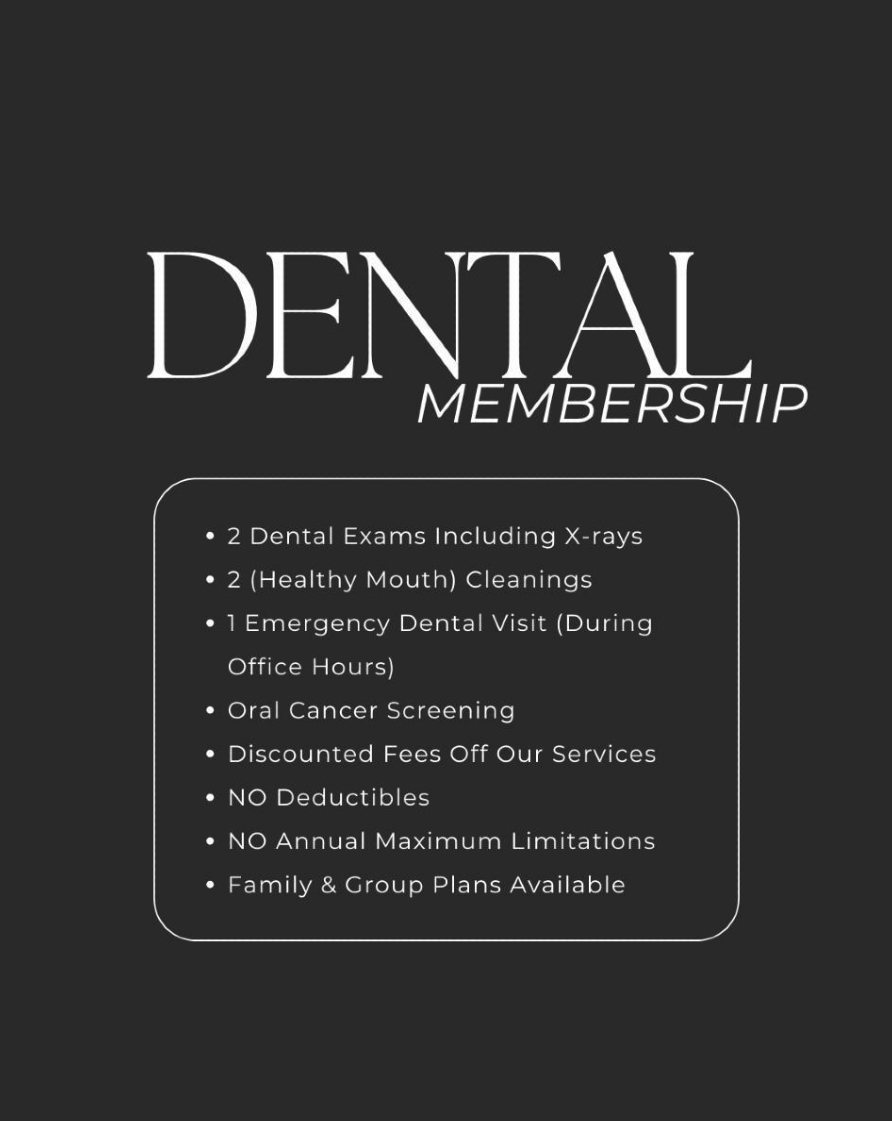
Looking for affordable dental plans in St. Louis?
We are excited to offer a membership plan for those patients who want to make Kirkwood Family Dental their home for dental care.


At Kirkwood Family Dental, our expert team uses the latest techniques to transform your smile. See more before and after photos of smile makeovers. Contact us today to learn how we can help you experience a transformation firsthand.

Ready to discuss your options?
Contact our office today to schedule a no-pressure exam. We can’t wait to meet you!
FAQ’s - Whitening vs. Veneers
Is professional whitening significantly better than over-the-counter products?
Yes, in most cases. Professional whitening uses higher-concentration peroxide formulas, and in-office treatments benefit from precise application and light activation. Custom-fitted trays ensure consistent gel contact with the tooth surface in a way that strips and generic trays cannot reliably achieve. Results are typically more uniform and more noticeable than anything available without a prescription.
Will my teeth be sensitive after whitening?
Some degree of temporary sensitivity is common, particularly after in-office treatment, and typically resolves within a day or two. Patients with pre-existing sensitivity should discuss this with their dentist beforehand, who may recommend a desensitizing protocol. Using a sensitivity toothpaste in the weeks before treatment can also help.
Can I whiten my teeth if I already have veneers?
Whitening agents do not affect veneers, crowns, or other dental restorations — they will remain their current shade while your natural teeth brighten. If your veneers are on your most visible front teeth, this is an important factor to discuss with your dentist before beginning any whitening treatment.
How many veneers do most patients get?
It depends on your smile goals and which teeth are visible when you smile and speak. Some patients address one or two teeth; others treat six to ten front teeth for a full smile transformation. Your dentist will evaluate your individual smile zone and make a recommendation based on your goals and bite.
Are veneers noticeable — do they look fake?
When designed and placed well, porcelain veneers are remarkably natural-looking. Modern dental ceramics closely replicate the translucency and texture of real tooth enamel. The key factors are shade selection that complements your skin tone and facial features, skilled laboratory fabrication, and precise bonding technique. Results that look artificial typically stem from shades chosen that are unrealistically bright for the patient's complexion.
What happens to my teeth if I eventually need to replace my veneers?
Because porcelain veneer placement involves removing a small amount of enamel, your teeth will need permanent coverage going forward. When veneers reach the end of their lifespan — typically ten to fifteen or more years with proper care — they are replaced with new ones rather than leaving the prepared surface exposed. This is a standard, straightforward process when managed as part of an ongoing dental care relationship.
What should I ask at my cosmetic dental consultation?
Useful questions include: What type of staining do I have — and will whitening address it effectively? Are my teeth structurally suitable for veneers? If I whiten first, how long should I wait before veneer placement? What shade would complement my complexion? What does long-term maintenance look like for each option? And — always worth raising — what would you recommend if cost were not a factor, and what would you recommend given my actual budget?
Work with the best dentists in St. Louis
Contact us today to schedule a comprehensive dental exam. We can’t wait to meet you!
Disclaimer
This article is for general informational purposes only and does not constitute dental or medical advice. Treatment outcomes, costs, and candidacy vary based on individual circumstances and can only be properly evaluated by a licensed dental professional. Cost ranges referenced are general estimates and are not guaranteed pricing. Please consult a qualified dentist before pursuing any cosmetic dental treatment.
