

How to Improve Your Smile: Everyday Habits, Professional Care, and Cosmetic Options

This article is for informational purposes only and is not dental advice. Recommendations and costs vary by individual, so please consult a qualified dental professional about your specific needs.
Most people can improve their smile without a major procedure. Daily habits influence tooth color and gum health, professional care addresses concerns that home care cannot, and cosmetic treatments change shape, color, spacing, and alignment when a larger change is the goal. The right starting point depends on your current oral health, your goals, and your budget.
This guide organizes the options into three levels: everyday habits, professional care, and cosmetic and restorative treatments. Each level explains what it can change, what it cannot, and how it relates to the next. Treatments that have their own detailed guides include links for further reading.
Quick Answer: How Can You Improve Your Smile?
You can improve your smile by combining three types of care:
Everyday habits: brushing twice daily, cleaning between teeth once daily, limiting stain-causing foods and drinks, avoiding tobacco, and protecting teeth from damage.
Professional care: regular cleanings and exams, early treatment of decay and gum disease, and professional whitening or bonding for color and minor chips.
Cosmetic and restorative treatments: veneers, crowns, orthodontics, gum contouring, and tooth replacement for concerns that habits and whitening cannot correct.
Why Improving Your Smile Matters
A smile improvement plan often begins with appearance, but appearance and oral health are closely connected. Clean teeth, healthy gums, and intact enamel look better, and they are also less likely to develop decay, gum disease, or damage that requires treatment later. Improving how a smile looks usually involves improving how the teeth and gums function.
Appearance also affects comfort in daily life. People who are self-conscious about their teeth often smile less, cover their mouths when laughing, or avoid photographs. Addressing the specific concern, whether it is color, a chipped tooth, spacing, or a missing tooth, can make it easier to smile openly. The goal is not a particular look. It is a smile that is healthy and that you feel comfortable showing.
What Determines How a Smile Looks
Five features account for most of what people notice and want to change about a smile:
Tooth color: natural shade, surface stains, and discoloration inside the tooth.
Tooth shape and size: chips, wear, uneven edges, or teeth that appear short, narrow, or unbalanced.
Alignment and spacing: crowding, gaps, rotated teeth, and bite position.
Gum appearance: color, contour, and how much gum tissue shows when you smile.
Tooth health and completeness: decay, cracks, old fillings, and missing teeth.
Identifying which feature concerns you most helps determine which level of care applies. Color concerns often respond to habits and whitening. Shape concerns usually require bonding, veneers, or crowns. Alignment concerns require orthodontic treatment, and gum concerns may require periodontal care or contouring. A dentist can confirm the cause of a concern during an exam, which matters because similar-looking problems, such as a dark spot on a tooth, can have different causes and different treatments.
Level One: Everyday Habits
Everyday habits are the lowest-cost way to improve a smile, and they influence the results of every other treatment. They keep teeth clean, gums healthy, and enamel intact.
Brush Twice Daily with Fluoride Toothpaste
The American Dental Association recommends brushing twice a day for two minutes with fluoride toothpaste. Use a soft-bristled brush and angle the bristles toward the gum line, where plaque collects. Plaque that stays on teeth dulls their appearance and contributes to decay and gum inflammation. Replace your toothbrush every three to four months, or sooner if the bristles are frayed.
Clean Between Teeth Once a Day
A toothbrush cannot reach the surfaces between teeth. Floss or interdental cleaners remove plaque from these areas, which supports gum health. Healthy gums are firm and pink and fit closely around each tooth, which contributes to an even, balanced smile. Some bleeding is common when you first begin cleaning between teeth regularly. Bleeding that continues after a couple of weeks should be evaluated by a dentist.
Limit Stain-Causing Foods and Drinks
Coffee, tea, red wine, dark sodas, and deeply pigmented foods such as berries and tomato-based sauces can darken teeth gradually. You do not need to eliminate them. Rinsing with water afterward, drinking through a straw when appropriate, and keeping up with daily brushing reduce how much pigment stays on tooth surfaces. Because acidic drinks temporarily soften enamel, rinsing with water and waiting before brushing helps protect the enamel surface.
Avoid Tobacco
Smoking and chewing tobacco cause yellow and brown staining that is difficult to remove with brushing alone. Tobacco also increases the risk of gum disease and slows healing after dental treatment. Stopping tobacco use benefits tooth color, gum health, and the durability of any cosmetic work.
Drink Water and Reduce Frequent Sugar Exposure
Drinking water throughout the day rinses away food particles and helps saliva neutralize acids. Frequent snacking and sipping on sugary or acidic beverages keeps teeth exposed to acid for longer periods, which increases the risk of decay. Cavities appear as white chalky spots, brown or black discoloration, or holes, and all of them affect appearance. Choosing water between meals reduces that exposure.
Protect Teeth from Damage
Chips, cracks, and wear change the shape and edges of front teeth. Wear a mouth guard during contact sports and a custom night guard if you clench or grind your teeth. Avoid using your teeth to open packages, tear tape, or hold objects, and avoid chewing ice or biting fingernails.
What Habits Cannot Change
Habits maintain and protect your smile and can reduce surface stains, but they cannot change tooth shape, correct alignment, or remove discoloration that is inside the tooth. When those are the concerns, professional care is the next step.
Common Mistakes When Improving a Smile at Home
Some at-home efforts can reduce the quality of a smile instead of improving it.
Overusing whitening products: Whitening strips, gels, and toothpastes used more often than the label directs can cause tooth sensitivity and gum irritation.
Using abrasive products: Charcoal powders, baking soda scrubs, and hard-bristled brushes can wear away enamel. Worn enamel exposes the yellower layer beneath it, which can make teeth look darker.
Brushing too hard: Heavy pressure can irritate gums and contribute to gum recession, which exposes root surfaces and makes teeth look longer.
Using mail-order aligners without an in-person exam: Moving teeth safely requires an exam and X-rays to check for decay, gum disease, and bone health first.
Ignoring symptoms: Bleeding gums, tooth pain, and lasting sensitivity are signs of a problem that appearance-focused products will not resolve.


At Kirkwood Family Dental, we love to bring smiles back to life. Check out more before and after photos of smile makeovers and contact us today learn more about how we can help you improve or maintain your dental health.
Level Two: Professional Care
Professional care addresses what home care cannot reach or correct. This level includes preventive visits, treatment of dental disease, and conservative cosmetic options.
Regular Cleanings and Exams
Professional teeth cleanings remove plaque and tartar, which is hardened plaque that brushing and flossing cannot remove. Polishing also removes some surface stains. Many patients visit every six months, and some need more frequent visits depending on gum health and cavity risk. Exams allow a dentist to find decay, gum disease, cracks, and worn areas early, when treatment is typically simpler.
Treating Decay and Gum Disease
Cavities, gum disease, and cracked or worn teeth affect both appearance and function. Signs include dark spots, red or swollen gums, gums that pull away from teeth, persistent bad breath, and teeth that feel loose or sensitive. Cosmetic treatment placed over untreated disease is more likely to fail, so a dentist will typically address these conditions first. Tooth-colored fillings can also replace visible metal fillings when appearance is a concern.
Professional Teeth Whitening
Professional whitening options include in-office Zoom whitening treatments and custom take-home trays provided by a dentist. These use stronger whitening agents than most over-the-counter products, and a dentist can monitor gum and tooth sensitivity. Whitening works on natural tooth structure only. It does not change the color of crowns, veneers, bonding, or fillings. For that reason, whitening is generally completed before restorations are made, so their shade can be matched to the final tooth color.
Temporary sensitivity is common. Some types of discoloration, including certain stains from within the tooth, respond less predictably, so a dentist should evaluate the cause before treatment.
Dental Bonding
Bonding uses tooth-colored resin that is applied to a tooth and shaped to correct small chips, minor gaps, or localized discoloration. It is often completed in a single visit and typically requires little or no removal of tooth structure. Resin can stain and wear over time and generally does not last as long as porcelain, so it is often chosen for smaller corrections.

Ready to improve your smile?
Schedule an appointment today to learn how we can help improve the overall health and appearance of your smile.
Level Three: Cosmetic and Restorative Treatments
When concerns involve tooth shape, alignment, gum contour, or missing teeth, cosmetic and restorative treatments can address them. Which treatment fits depends on the condition of the tooth, the size of the change, and your goals.
Porcelain Veneers
Veneers are thin porcelain shells bonded to the front surfaces of teeth. They can change color, shape, size, and minor spacing at the same time.
Best for: healthy teeth with cosmetic concerns such as persistent staining, chips, or uneven shape.
Considerations: preparation usually involves removing a small amount of enamel, so the treatment is considered permanent, and veneers require healthy gums and enough remaining enamel for bonding.
Our guide to veneers before and after explains what to expect from treatment and results.
Dental Crowns
A crown covers the entire visible portion of a tooth. Front tooth crowns are made from materials designed to match the translucency of natural enamel.
Best for: teeth that are heavily filled, cracked, worn, weakened, or treated with a root canal, and teeth that need both protection and an improved appearance.
Considerations: more of the tooth is reshaped than with a veneer, and the crown margin near the gum line needs careful daily cleaning.
For more information, see our guides on ceramic crowns, same-day crowns, before and after crown examples, and crown costs.
Orthodontic Treatment
Braces and clear aligners move teeth into better alignment. They address crowding, gaps, rotated teeth, and bite problems.
Best for: alignment concerns that affect appearance, cleaning, or bite. Adults can be treated as well as teens.
Considerations: treatment time varies with the complexity of the case, and retainers are needed afterward to keep teeth in position. Straighter teeth are also easier to clean, which supports long-term gum health.
For more information, see our guide on clear aligners.
Replacing Missing Teeth
Missing teeth affect appearance and chewing, and nearby teeth can shift into the space over time. Options include dental implants, bridges, and partial or full dentures. The best choice depends on the number and location of missing teeth, the condition of the neighboring teeth, and bone support.
Best for: one or more missing teeth, or teeth that cannot be saved and need to be removed. The best choice depends on the number and location of missing teeth, the condition of the neighboring teeth, and bone support.
Considerations: implants require enough bone to support them and take several months because healing is part of the process. Bridges rely on the neighboring teeth for support, and dentures are removable and may need adjustments over time.
For more information, see our guides on dental implants, partial dentures, and All-on-4 dentures with implants.
A Full Smile Makeover
A smile makeover combines two or more treatments into one coordinated plan. It may include whitening, bonding, veneers, crowns, orthodontics, gum contouring, and tooth replacement. Instead of treating each concern on its own, the dentist plans everything around how the teeth, gums, and facial features look together, so the results are balanced and consistent in color and shape.
Best for: people with several concerns at once, such as discoloration, chips, uneven spacing, worn teeth, or missing teeth, and anyone who wants a complete change instead of a single correction.
Considerations: a makeover usually takes several visits and follows the same order described below: disease is treated first, then alignment, then whitening, and restorations come last. Timelines and costs depend on which treatments are included. Planning typically starts with a consultation that covers an exam, X-rays, photographs, and a discussion of your goals.
For more information, see our guide on what’s involved with a smile makeover.
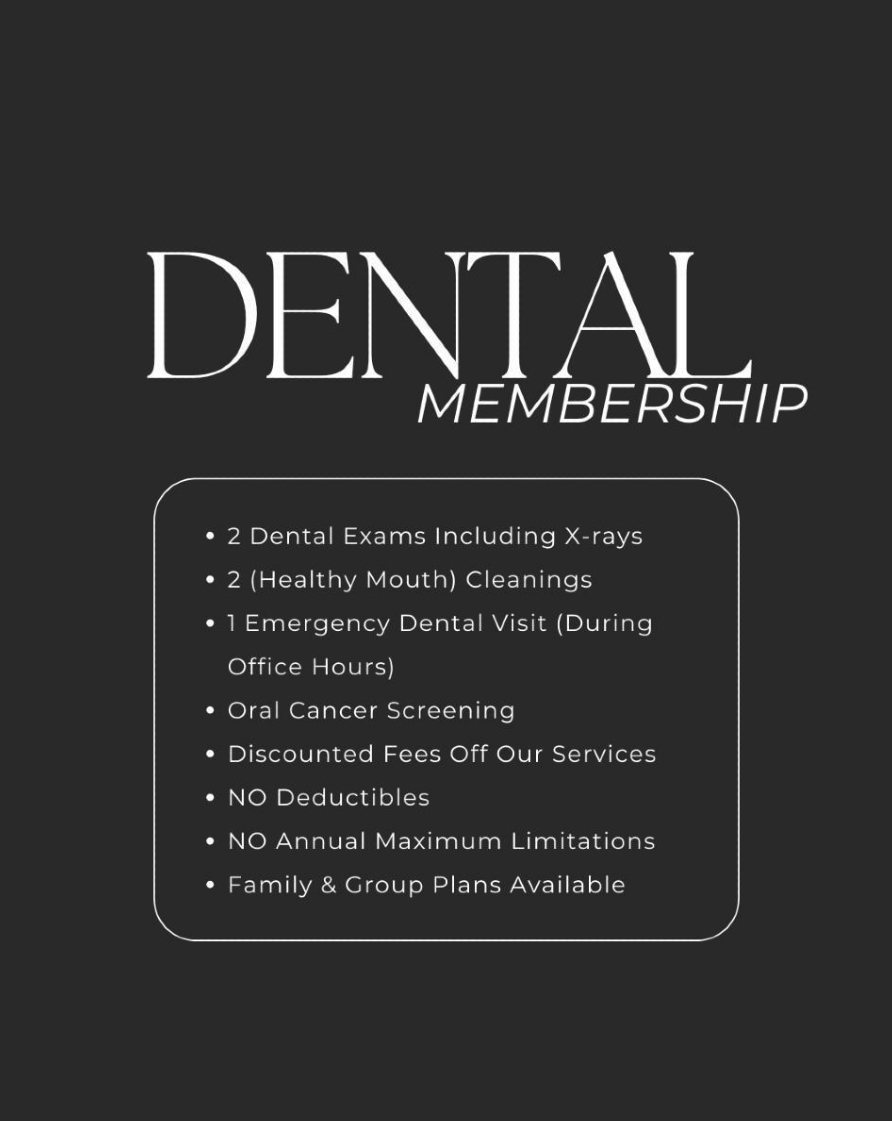
Looking for affordable dental plans in St. Louis?
We are excited to offer a membership plan for those patients who want to make Kirkwood Family Dental their home for dental care.
How Long Each Option Takes
Timelines vary by case and by practice, but these are typical ranges:
| Option | Typical timeframe |
|---|---|
| Everyday habits | Gum health often improves within a few weeks of consistent care. Stain reduction is gradual. |
| Professional cleaning | One visit |
| Professional whitening | One visit for in-office treatment, or about one to two weeks of use with take-home trays |
| Bonding | Usually one visit |
| Veneers and crowns | Usually two or more visits over a few weeks, with same-day options at some practices |
| Gum contouring | Usually one visit, with healing over the following weeks |
| Orthodontics | Several months to two years or more |
| Dental implants | Several months, because healing time is part of the process |


At Kirkwood Family Dental, our expert team uses the latest techniques to transform your smile. See more before and after photos of smile makeovers. Contact us today to learn how we can help you experience a transformation firsthand.
Where to Invest First
Dentists generally sequence smile improvement so that health comes before appearance. A common order is:
Treat disease: decay, infection, and gum disease.
Straighten teeth if needed: orthodontic treatment moves teeth, so it is completed before restorations that are shaped to a specific tooth position.
Whiten natural teeth: so restorations can be matched to the final shade.
Place restorations: bonding, veneers, or crowns.
Tooth replacement is planned alongside these steps because timing depends on the method chosen.
Watch the short video below for four things worth the investment.

Ready to get started?
Contact our office today to schedule a no-pressure exam. We can’t wait to meet you!
Choosing a Dentist and Preparing for a Consultation
The dentist you choose affects both the outcome and your experience. Consider:
Education, training, and years of experience with the treatment you are considering
Before-and-after photos of completed cases
Clear explanations of all options, including conservative ones
Transparent cost estimates before treatment begins
A comfortable, unhurried approach to communication and scheduling
A consultation typically includes an exam, X-rays, photographs, and a discussion of your goals. Some practices offer digital previews of possible results. Bringing a list of concerns, photos of smiles you like, and questions about timeline, cost, and maintenance makes the visit more productive.
Practices like Kirkwood Family Dental, with 30 years of experience in comprehensive family care, take a patient-centered approach to these conversations, so you can understand your options and decide at your own pace.
Maintaining Results and Setting Realistic Expectations
Results depend on your starting condition, the treatment selected, and how well you care for your teeth afterward. Cosmetic and restorative work is durable but not permanent, and restorations may eventually need repair or replacement. Continuing everyday habits, attending regular exams, and using a night guard when recommended help extend the life of treatment. Cosmetic treatment also works within the limits of your natural teeth, gums, and facial structure, which is why a dentist should explain what a given treatment can and cannot achieve before it begins.

FAQs
What is the fastest way to improve my smile? Professional whitening improves tooth color in as little as one visit, and bonding can repair a chip or close a small gap in a single visit. The fastest option depends on the concern, and a dentist can recommend the most direct treatment after an exam.
What is the least expensive way to improve my smile? Consistent brushing, daily cleaning between teeth, limiting stain-causing foods and drinks, and routine professional cleanings cost the least and improve brightness and gum health. Whitening and bonding generally cost less than veneers or crowns, though prices vary by practice and case.
Can I improve my smile without cosmetic dentistry? Yes. Good oral hygiene, professional cleanings, and healthy habits can noticeably improve tooth brightness and gum health. Concerns involving tooth shape, spacing, alignment, or missing teeth typically require dental treatment.
Does whitening work on crowns, veneers, and fillings? No. Whitening agents change the color of natural tooth structure only. Crowns, veneers, bonding, and fillings keep their original shade, so whitening is usually done before those restorations are made.
How long do professional whitening results last? Results vary from person to person and depend on diet, tobacco use, and oral hygiene. Many patients use periodic touch-up treatments to maintain their shade.
Are veneers or crowns better for front teeth? Veneers cover the front surface of a tooth and suit healthy teeth with cosmetic concerns. Crowns cover the entire tooth and suit teeth that are damaged, heavily filled, or weakened. A dentist chooses between them based on tooth condition and goals.
Does dental insurance cover treatments that improve a smile? Insurance typically covers preventive care and often covers part of medically necessary restorative treatment. Purely cosmetic procedures are usually not covered. Coverage varies by plan, so verify your benefits before treatment.
When should I see a dentist about my smile? See a dentist if you notice stains that do not improve with brushing, chipped or cracked teeth, gaps, bleeding or swollen gums, tooth pain or sensitivity, loose teeth, or missing teeth. Scheduling regular checkups also allows a dentist to identify concerns early.
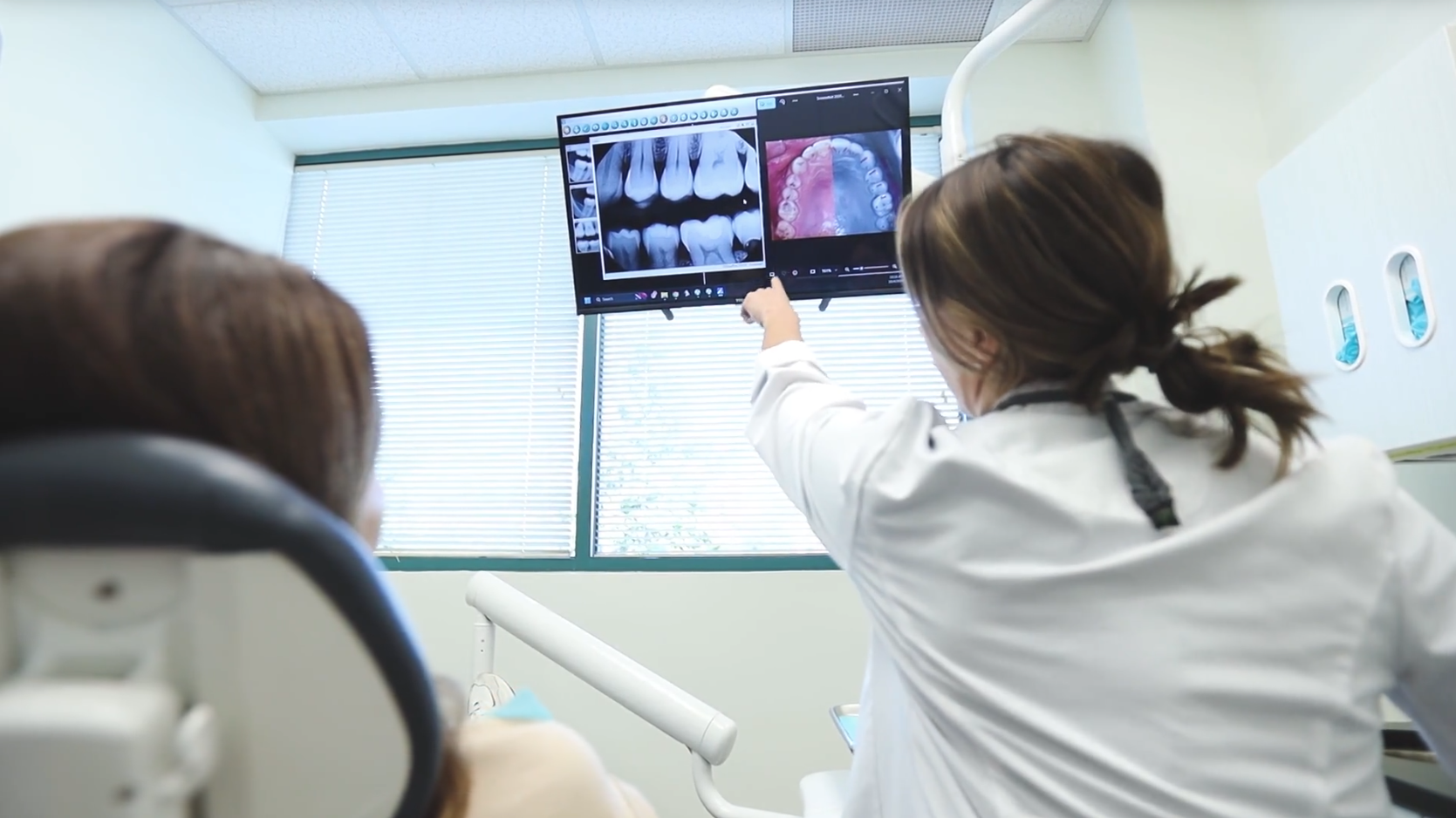
Work with the best dentists in St. Louis
Contact us today to schedule a comprehensive dental exam. We can’t wait to meet you!
Disclaimer: This article is for informational purposes only and should not be considered medical or dental advice. The procedures, timelines, and information discussed may vary based on individual circumstances, geographic location, and specific dental practices. Always consult with a qualified dental professional for personalized advice regarding your specific dental needs and treatment options.
Dental treatment costs and insurance coverage can vary significantly based on factors including geographic location, complexity of treatment, materials used, individual patient needs, and plan benefits. Any cost or coverage information provided is general and should not be considered guaranteed.
Individual results may vary, and the longevity of dental work depends on many factors including oral hygiene, lifestyle habits, and regular dental care. This information does not replace professional dental consultation, examination, or diagnosis. If you have dental concerns or need treatment, please contact a qualified dental professional in your area.
