

Haven't Been to the Dentist in Years? What to Expect at Your First Visit Back

This article provides general information for educational purposes and is not a substitute for professional dental advice, diagnosis, or treatment.
Going years without a dental visit is far more common than most people assume. Job changes, moves, insurance gaps, busy family schedules, health concerns, and fear of the dentist can all make dental care a lower priority, and each missed appointment tends to make the next one harder to schedule. If you are reading this, you are already considering a return, and knowing what the visit involves can make it easier to book.
This guide explains how to prepare, what happens during a first appointment after a long gap, how the visit can differ depending on how much time has passed, what dentists commonly find, and how to maintain your oral health afterward. It answers the questions people most often have before they call, so the appointment is predictable.
Why So Many People Go Years Between Dental Visits
There is rarely a single reason for a long gap between appointments. The most common ones include:
Cost or lack of coverage: Losing insurance, changing plans, or uncertainty about out-of-pocket costs leads many people to postpone care.
Dental anxiety: A past uncomfortable experience or general nervousness about dental procedures can lead to avoidance.
No symptoms: Without pain, it is easy to assume nothing is wrong.
Life changes: Relocating, starting a new job, or a dentist retiring can interrupt regular care.
Time and caregiving demands: Parents and caregivers often schedule appointments for others before themselves.
Disruptions in routine: Illness, health emergencies, and public health restrictions have delayed preventive care for many people.
Dental teams see returning patients regularly. Their focus is on your current oral health and the best next steps, not on how long it has been. The most helpful thing you can do is be accurate about the length of the gap, because it allows the team to plan the right amount of time and the right services.
It is also worth knowing that a lack of pain does not confirm a lack of problems. Early cavities and early gum disease often cause no discomfort, and they are usually found through an exam and X-rays rather than through symptoms. This is one of the main reasons dentists recommend regular visits even when your mouth feels fine.
Before You Book: How to Prepare
A few preparation steps make the first visit smoother and help the dental team provide better care.
Gather Your Health Information
Your general health affects your oral health, and your dentist needs accurate information to plan treatment safely. Before the appointment, put together:
A list of current medications, including over-the-counter drugs and supplements
Any medical conditions, such as diabetes, heart conditions, or osteoporosis
Known allergies, especially to medications, latex, or local anesthetics
Recent surgeries or hospitalizations
Pregnancy or plans for pregnancy, if applicable
Names and contact details for your physicians
Request Past Dental Records
If you had X-rays or treatment at a previous office, ask that office to send copies to your new practice. Recent X-rays can help a dentist compare changes over time and may reduce the need for repeat imaging. Most offices can transfer records once you sign a release form, and the new office can often guide you through the process.
Review Your Insurance or Payment Options
If you have dental insurance, check what it covers for exams, X-rays, and cleanings, and whether there are limits on how often each service is covered. Ask about your deductible, your annual maximum, and any waiting periods for restorative treatment. Many offices will verify benefits for you before your appointment. If you do not have insurance, ask about payment options, in-office membership plans, or financing so there are no surprises.
Choosing a Practice
If you are still deciding where to go, this recent post covers what to look for when searching for a new dentist, including situations where it has been a while since your last visit:
Tell the Office How Long It Has Been
When you call, say how long it has been since your last visit and mention any concerns, such as sensitivity, bleeding gums, pain, or anxiety. This allows the office to schedule enough time. You can also ask whether the exam, X-rays, and cleaning can be completed in one appointment or whether they are typically divided into two.
Write Down Your Symptoms and Questions
Appointments move quickly, and it is easy to forget concerns once you are in the chair. Make a short list before you go. Useful items include:
Bleeding or swollen gums
Sensitivity to hot, cold, or sweet foods
Pain when chewing
A chipped, cracked, or loose tooth
Persistent bad breath or a bad taste
Dry mouth
Jaw pain, clicking, or headaches
Any spots, sores, or changes in your mouth


At Kirkwood Family Dental, we love to bring smiles back to life. Check out more before and after photos of smile makeovers and contact us today learn more about how we can help you improve or maintain your dental health.
What Happens at Your First Visit Back
Every office has its own process, but a first visit after a long gap generally follows these steps.
Step 1: Check-In and Health History
You will complete forms covering your medical and dental history, medications, and insurance information. The team reviews them with you. Certain conditions and medications affect gum health, healing, and how dental care is delivered, so this review is a routine part of planning.
Step 2: A Conversation About Your Concerns
Before any clinical work begins, the dentist or hygienist will typically ask why you are visiting, whether you have symptoms, and what you would like to accomplish. This is the right time to mention nervousness. You can ask the team to describe each step before it happens and agree on a hand signal to pause at any time.
Step 3: X-Rays
New patients commonly receive X-rays, and this matters even more after several years without imaging. Digital X-rays are widely used and involve low levels of radiation. Depending on the office and your history, you may receive:
Bitewing X-rays, which show the upper and lower back teeth together and reveal decay between teeth and the level of the bone supporting them
Periapical X-rays, which show an entire tooth from the crown to the root tip and can reveal infection at the root
A panoramic image or full-mouth series, which gives a broad view of all teeth, the jaws, and surrounding structures
X-rays show conditions that cannot be seen by looking at the teeth directly, including cavities between teeth, bone loss related to gum disease, and infections below the gumline. If you are or may be pregnant, tell the team before any imaging.
Step 4: The Clinical Exam
During a dental exam, the dentist examines your teeth, gums, bite, and mouth. This typically includes:
Teeth: Checking for decay, cracks, wear, and the condition of existing fillings and crowns
Gums: Assessing color, swelling, and bleeding
Periodontal measurements: Using a small instrument to measure the space between each tooth and the surrounding gum. Measurements are recorded in millimeters. Readings of one to three millimeters are generally considered healthy, while deeper readings can indicate gum disease
Bite and jaw joints: Evaluating how your teeth come together and whether there is tension or joint discomfort
Oral cancer screening: Examining the tongue, cheeks, floor of the mouth, and throat for unusual changes
You will hear numbers called out during the gum measurements. These are recorded for your chart and do not need to alarm you. They give the team a baseline to compare against at future visits.
Step 5: Professional Cleaning
During a professional teeth cleaning, a dental hygienist removes plaque and tartar from your teeth. Plaque is a soft film of bacteria that forms on teeth daily. When it is not removed thoroughly, it hardens into tartar, also called calculus, which cannot be removed by brushing or flossing at home.
Cleaning generally involves:
Scaling: Removing plaque and tartar with hand instruments, an ultrasonic scaler, or both
Polishing: Smoothing the tooth surfaces and removing surface stains
Flossing: Cleaning between teeth and checking for areas of bleeding
After a long gap, there is usually more buildup, so the cleaning can take longer than a routine one. Mild tenderness and some gum bleeding are common, particularly around areas with heavy tartar, because the gums are inflamed. Bleeding typically decreases as the buildup is removed and daily cleaning becomes consistent. If you have sensitive areas, tell the hygienist, since numbing gel or local anesthetic can be used for comfort.
In some cases, the hygienist will divide the cleaning into two visits, or the dentist will recommend a deeper cleaning before a standard one. This is discussed further below.
Step 6: Reviewing Findings and Building a Plan
After the exam and cleaning, the dentist explains what was found, usually with X-rays on a screen, and outlines a recommended plan. Treatment is generally prioritized in this order:
Urgent needs: Pain, infection, or damage that could worsen quickly
Necessary treatment: Cavities, gum disease, and failing restorations that need attention soon
Elective care: Cosmetic improvements and other optional treatment
You do not need to accept or schedule everything at once. Ask about the reasoning behind each recommendation, what happens if a treatment is delayed, and what the costs and insurance coverage would be. A good treatment plan is one you understand.

Ready for Your First Visit Back?
Schedule an appointment today to learn how we can help improve the overall health and appearance of your smile.
How Your Visit May Differ Based on Time Away
The longer the time between visits, the more a dentist typically needs to evaluate. The following ranges are general patterns rather than rules, and individual results depend on factors such as home care habits, diet, genetics, health conditions, and tobacco use.
One to Two Years
The visit is often similar to a routine appointment. There may be a moderate amount of tartar, and X-rays may show a small cavity or an aging filling. The exam and cleaning can usually be completed in one visit.
Three to Five Years
Additional buildup is more likely, and gingivitis, which is inflammation of the gums, is common. New X-rays are usually needed. A few cavities or worn restorations may be found, and the dentist may recommend a follow-up cleaning to allow the gums to heal and be reassessed.
Five Years or More
The first visit is often focused on a comprehensive evaluation. A full set of X-rays and complete gum measurements are typical. Gum disease is more likely to be present at this point, and existing fillings or crowns may need to be repaired or replaced. The dentist may recommend spreading treatment across several visits, starting with the most urgent needs.
Common Findings After Years Without Care
Knowing what is commonly found can make the results of your exam easier to understand.
Cavities
Tooth decay develops when bacteria in plaque produce acids that break down enamel. Early cavities are typically treated with a filling. Decay that has reached the inner part of the tooth may require a crown or root canal treatment. Early detection generally means simpler treatment.
Gingivitis
Gingivitis is inflammation of the gums caused by plaque along the gumline. It commonly causes redness, swelling, and bleeding when brushing or flossing. It is generally reversible with professional cleaning and consistent daily care.
Periodontitis
When gingivitis is not treated, it can progress to periodontitis, an infection that affects the bone and tissues supporting the teeth. It can cause gum recession, deeper pockets around the teeth, and loosening of teeth over time. The damage to bone cannot be reversed, but the condition can be managed with professional treatment and ongoing maintenance. This is why a longer gap in care makes an accurate gum evaluation especially important.
Deep Cleaning (Scaling and Root Planing)
If measurements and X-rays indicate gum disease, the dentist may recommend scaling and root planing rather than a standard cleaning. This procedure removes plaque and tartar from below the gumline and smooths the root surfaces so the gums can reattach more healthily. It is often performed one section of the mouth at a time, and local anesthetic is commonly used for comfort.
Worn, Broken, or Leaking Restorations
Fillings and crowns do not last forever. Over several years without checkups, they can wear, chip, or develop gaps where decay can begin underneath. These are usually identified on X-rays and during the exam.
Cracked Teeth and Tooth Wear
Teeth can crack from grinding, clenching, or biting hard objects. Cracks are not always visible or painful at first. Dentists check for signs of grinding and wear and may discuss protective options such as a night guard.
Missing or Failing Teeth
If teeth have been lost or cannot be saved, dentists can discuss replacement options at a later visit. There is no need to make decisions about these during your first appointment.
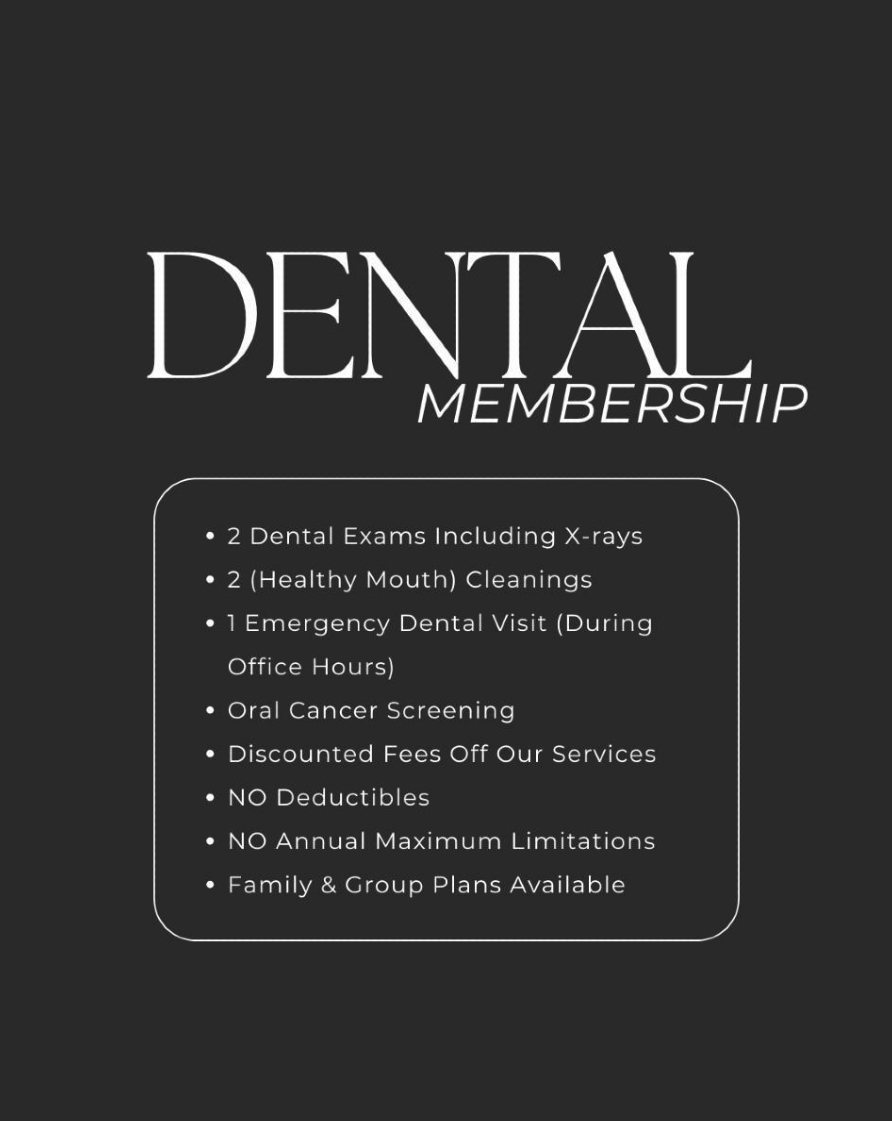
Looking for affordable dental plans in St. Louis?
We are excited to offer a membership plan for those patients who want to make Kirkwood Family Dental their home for dental care.
Making the Visit More Comfortable
Nervousness is one of the most common reasons people delay dental care, and there are practical ways to reduce it.
Ask for explanations before each step. Knowing what is about to happen reduces uncertainty for many patients.
Agree on a pause signal. A raised hand is standard, and the team will stop when you use it.
Ask about numbing options. Topical gels and local anesthetics are available for procedures that may cause discomfort.
Ask about comfort features. Some offices offer headphones, blankets, or other amenities.
Schedule strategically. Choose a time of day when you are least rushed, and consider avoiding periods of high stress.
Ask about sedation. Some practices offer options for patients with significant anxiety. Availability varies, so ask when you call.
Practice slow breathing. Breathing in slowly through the nose and out through the mouth can help relax tense muscles.
Break up the work. If a long appointment feels overwhelming, ask whether it can be divided into shorter visits.
Practices like Kirkwood Family Dental, a family-focused office in Kirkwood, Missouri, plan first visits around each patient's history and concerns, which is worth asking about when you call any office.
After Your Visit: Staying on a Regular Schedule
The most valuable outcome of a first visit back is a consistent plan for keeping your mouth healthy.
Scheduling Your Next Appointment
Your dentist will recommend how often you should return. Many patients are seen about every six months, though the interval can be shorter for people with gum disease, a history of frequent cavities, or certain health conditions. Booking the next appointment before you leave makes it more likely to happen.
Daily Care
Brush twice a day for two minutes with fluoride toothpaste
Clean between your teeth once a day with floss or another interdental cleaner
Replace your toothbrush or brush head every three to four months, or sooner if the bristles are worn
Limit frequent snacking and sugary or acidic drinks, which prolong the time teeth are exposed to acids
Avoid tobacco products, which affect gum health and healing
What to Expect Afterward
Mild sensitivity and slightly sore gums for a day or two after a cleaning are common, particularly after a long gap. Rinsing with warm salt water and continuing gentle brushing and flossing generally helps. If you had treatment such as a filling or deep cleaning, follow the instructions provided by your dentist.
When Not to Wait for a Routine Appointment
Some symptoms should be evaluated promptly rather than waiting for a scheduled visit. Contact a dental office as soon as possible if you have:
Severe or persistent tooth pain
Swelling of the gums, jaw, or face
A pimple-like bump on the gums
A broken, cracked, or knocked-out tooth
Fever accompanied by dental pain
Bleeding that does not stop
If swelling makes it difficult to breathe or swallow, seek emergency medical care immediately.


At Kirkwood Family Dental, our expert team uses the latest techniques to transform your smile. See more before and after photos of smile makeovers. Contact us today to learn how we can help you experience a transformation firsthand.
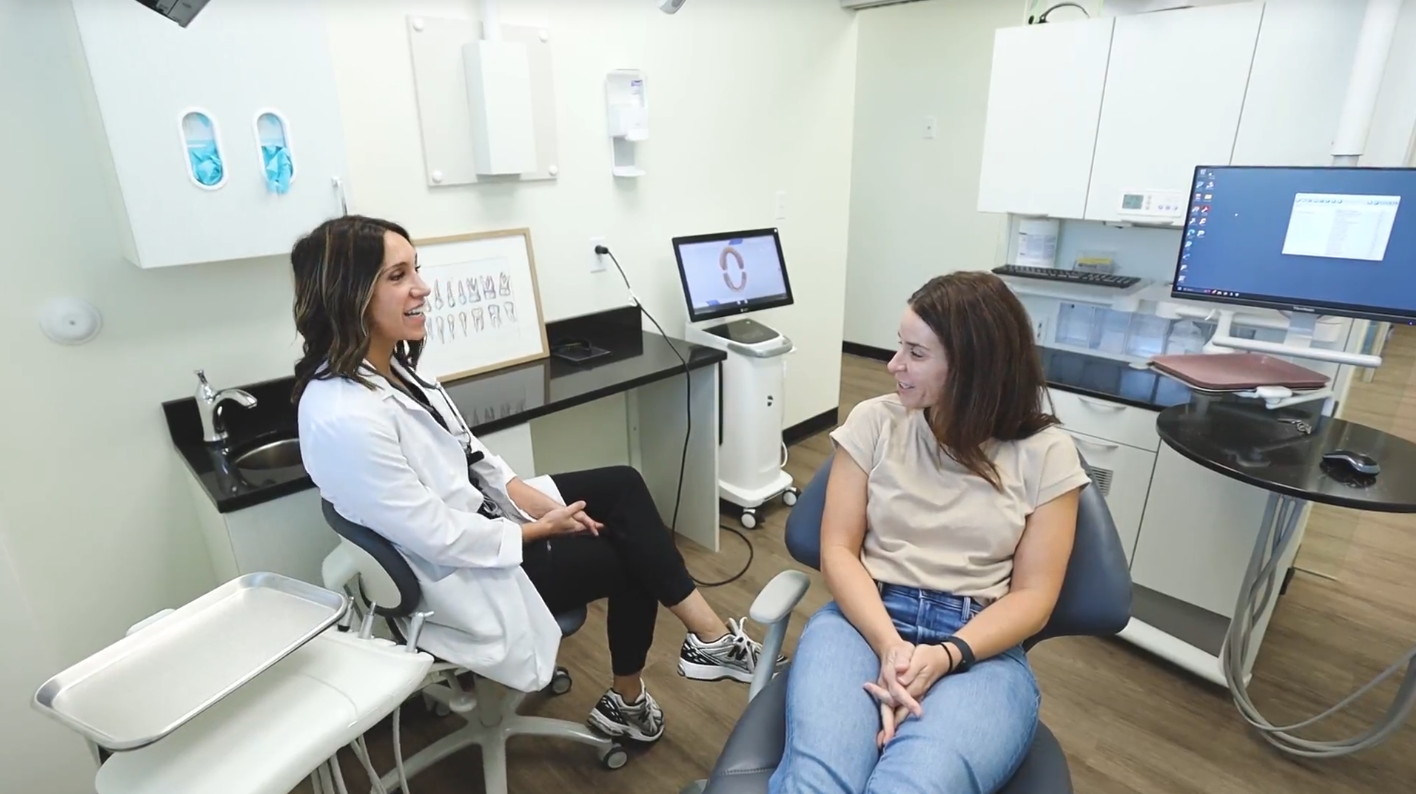
Ready to get started?
Contact our office today to schedule a no-pressure exam. We can’t wait to meet you!

FAQs
Is it okay if I have not been to the dentist in years?
Yes. Many adults go years between dental visits, and dental teams regularly see returning patients. The dentist's focus is on evaluating your current oral health and recommending appropriate next steps. Being accurate about the time since your last visit helps the team plan the exam, X-rays, and cleaning.
What happens at a dental appointment after a long time?
A typical visit includes a health history review, X-rays, a full exam of the teeth, gums, and mouth, a professional cleaning, and a discussion of findings. The dentist then outlines a recommended treatment plan. Depending on how much time has passed, the cleaning may take longer or be divided across visits.
Will I need a deep cleaning after years without a dental visit?
Not necessarily. A deep cleaning, called scaling and root planing, is recommended only when gum measurements and X-rays show signs of gum disease. If your gums are healthy or show only mild inflammation, a standard cleaning is often sufficient. Your dentist makes this recommendation after examining you.
Will my first visit back hurt?
Most of the visit is not painful. Some patients feel tenderness or notice gum bleeding during the cleaning, especially with heavy tartar buildup. Tell the hygienist if you feel discomfort, since numbing gel or local anesthetic can be used. Mild soreness for a day or two afterward is common.
How long does a first visit after a long gap take?
Appointment length varies by office and by patient. A new patient visit with X-rays, an exam, and a cleaning often takes longer than a routine checkup, and it can take longer still after several years without care. Ask the office when booking whether to plan for extra time or a second visit.
Do I need new X-rays?
Usually, yes. New patients typically receive X-rays, particularly if there are no recent images. X-rays reveal cavities between teeth, bone loss, and infections that cannot be seen during a visual exam. If you have recent X-rays from another office, ask that they be sent to your new practice.
Why do my gums bleed after not going to the dentist for years?
Gums bleed when they are inflamed, which is commonly caused by plaque and tartar along the gumline. After a long gap, buildup is often greater, and gums are more sensitive to cleaning. Bleeding usually decreases after professional cleaning and consistent daily brushing and flossing. Persistent bleeding should be evaluated by a dentist.
How often should I go to the dentist after returning?
Most dentists recommend checkups and cleanings about every six months, but the ideal interval depends on your oral health. People with gum disease, frequent cavities, or certain medical conditions may need more frequent visits. Your dentist will recommend a schedule based on your exam results.
Taking the Next Step
The length of time since your last dental visit does not prevent you from receiving good care. A first visit back is an opportunity to find out where your oral health stands, address any concerns in order of priority, and set up a schedule you can maintain. Preparing your health information, telling the office how long it has been, and asking questions throughout the visit will help the appointment go smoothly.
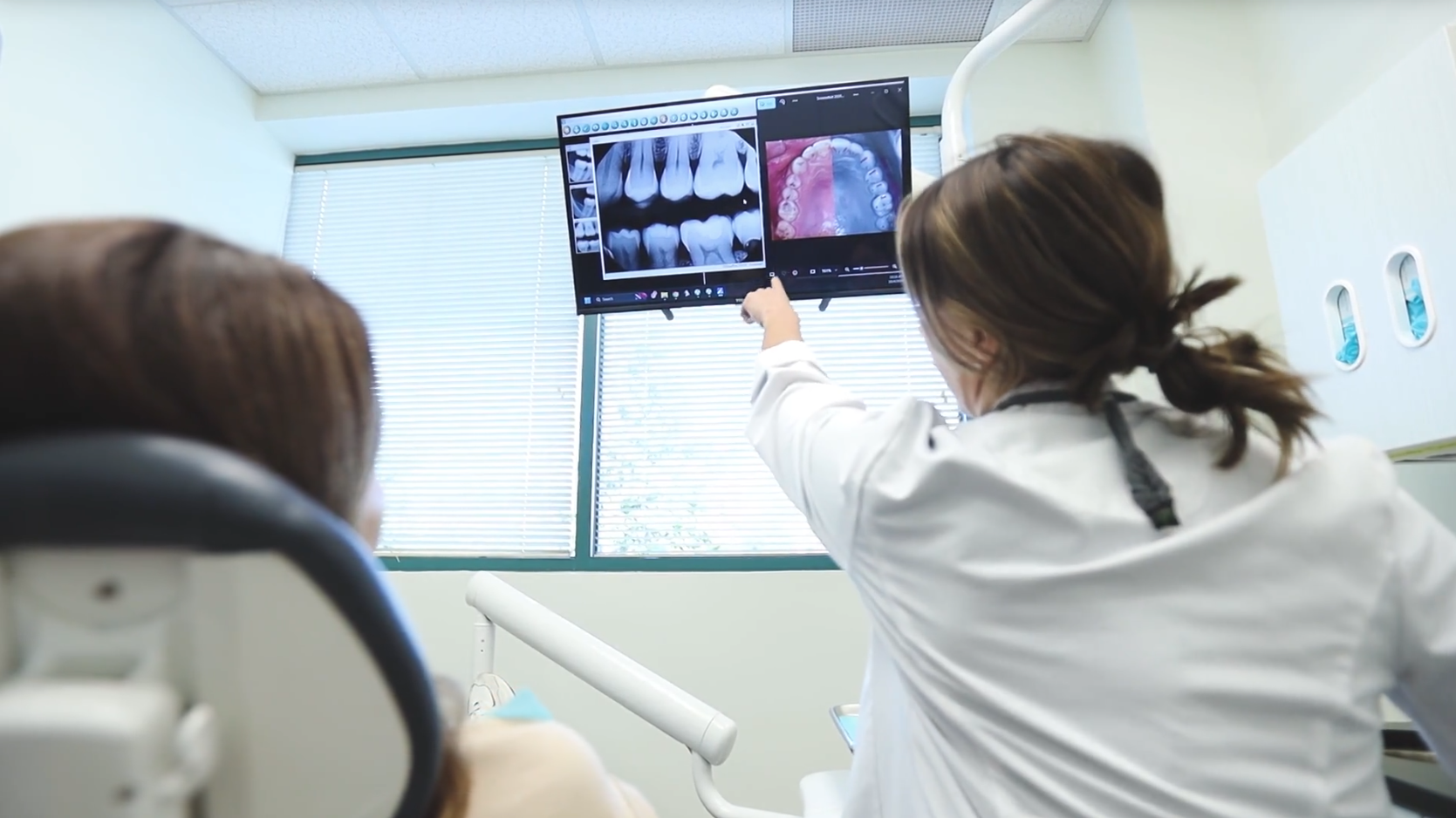
Work with the best dentists in St. Louis
Contact us today to schedule a comprehensive dental exam. We can’t wait to meet you!
Disclaimer: The information in this article is provided for general educational purposes only and does not constitute professional dental, medical, or legal advice. It is not a substitute for an examination, diagnosis, or treatment by a licensed dental professional. Every patient's situation is different, and recommendations, timelines, and outcomes vary. Consult a licensed dentist about your specific oral health needs before making decisions about your care.
