

Implant Supported Dentures Explained: Your Complete Guide to a More Confident Smile

Please note: Dental treatment recommendations can vary significantly based on geographic location, individual needs, and specific dental practices. Always consult with a qualified dental professional for personalized advice regarding your specific oral health needs.
For many people, the decision to pursue dentures comes after years of managing damaged, failing, or missing teeth. It is a significant step, and one that most patients hope will be their last. Traditional dentures have helped millions of people restore their smiles, but they have long come with familiar frustrations: slipping, discomfort, adhesive creams, and ongoing adjustments as the jaw changes shape over time.
Implant-supported dentures represent a meaningful evolution in how dentistry approaches tooth replacement. Rather than resting on top of the gums and relying on suction or adhesive for stability, these restorations are anchored directly to the jawbone using dental implants. The result is a level of stability, function, and long-term oral health benefit that traditional dentures simply cannot match.
If you are exploring your tooth replacement options and want to understand exactly how implant-supported dentures work, what the process involves, and whether you might be a good candidate, this guide is designed to give you a clear and thorough picture. We will cover the different types available, what the treatment process looks like step by step, candidacy considerations, cost expectations, and how to care for your restoration over time.
Tooth replacement decisions are rarely made lightly. They involve real financial planning, a willingness to commit to a multi-step process, and a need to trust that the outcome will be worth it. This guide will not minimize what implant-supported dentures require, but it will help you understand why so many patients describe this treatment as one of the most meaningful decisions they have made for their long-term health.
What Are Implant-Supported Dentures, Exactly?
At their core, implant-supported dentures are prosthetic teeth stabilized by dental implants rather than the gums alone. The implants themselves are small, threaded posts — typically made from titanium — that are surgically placed into the jawbone. Once they integrate with the surrounding bone through a natural process called osseointegration, they function as artificial tooth roots. The denture prosthetic is then attached to these implants, creating a restoration that is firmly anchored in place.
This is the foundational difference between implant-supported dentures and traditional dentures. Conventional dentures sit on top of gum tissue, and their stability depends on the shape of the gum ridge and the use of adhesive. Over time, as the jawbone naturally shrinks in the absence of tooth roots, even well-fitted traditional dentures require frequent relining or replacement.
Implant-supported dentures address this problem at the source. The titanium implants stimulate the jawbone much the way natural tooth roots do, helping to slow or prevent the bone loss that typically follows tooth extraction. This preserves more of the jaw's original shape, which has benefits not just for the denture's fit, but for the patient's overall facial structure and appearance over the long term.
Implant-supported dentures can replace all of the teeth in an arch (a full arch prosthetic) or provide support for a partial restoration in cases where some natural teeth remain. This flexibility makes them a viable consideration for a wide range of patients and clinical situations.
Types of Implant-Supported Dentures
Not all implant-supported dentures are the same. They vary in how they attach to the implants and whether they are designed to be removable or permanently fixed.
Fixed Implant Supported Dentures
Fixed implant-supported dentures — sometimes called hybrid dentures — are attached to the implants in a way that cannot be removed by the patient at home. They are secured by the dental team and only come out for professional maintenance. From a daily living standpoint, they function very much like natural teeth: patients brush and care for them in place, eat with them, and never have to think about removing them at night.
This type of restoration typically requires more implants per arch — often four to six or more — to provide the necessary support. All-on-4 and All-on-6 are specific treatment approaches within this category, each defined by the number and strategic positioning of the implants used to support a full arch restoration. Fixed dentures are often preferred by patients who want the closest possible functional experience to natural teeth.
Removable Implant Supported Dentures (Overdentures)
Removable implant-supported dentures — also called implant-retained overdentures — use a smaller number of implants (typically two to four per arch) to anchor a denture that the patient can still take in and out. The denture attaches to the implants using one of two common mechanisms.
Bar-retained overdentures use a thin metal bar that connects two or more implants along the jaw. The denture fits over this bar and clips securely into place using attachments built into the denture itself.
Ball-retained overdentures use ball-shaped connectors on the implants that snap into corresponding sockets in the denture. Many patients find this mechanism intuitive and easy to manage independently.
Both designs offer a significant improvement in stability over traditional dentures and eliminate the need for adhesive. The removable format also makes daily cleaning more straightforward. Patients who want the stability benefits of implant support but prefer a less complex surgical approach — or who are balancing cost considerations — often find overdentures to be an excellent fit.
The Treatment Process: Step by Step
For most patients, the process of receiving implant-supported dentures spans several months. This timeline reflects the biological reality of how implants work, and it is worth understanding before treatment begins.
Consultation and Treatment Planning
Everything begins with a comprehensive evaluation. Your dental team will assess the health of your existing teeth and gums, take detailed X-rays or three-dimensional imaging of your jaw, and evaluate bone density and volume. This information determines how many implants are needed, where they should be placed, and which type of restoration will serve you best.
Preparatory Procedures (If Needed)
Some patients require preliminary work before implants can be placed. This may include extracting compromised teeth or undergoing a bone graft to build up areas of the jaw where density has become insufficient.
Bone grafting is more common than many patients expect, particularly for those who have been missing teeth for some time, as bone volume naturally diminishes without the stimulation of a tooth root. A graft introduces bone material that encourages the jaw to rebuild to the density required for successful implant placement, and when it is necessary, additional healing time is built into the overall timeline.
Implant Placement
Once the jaw is prepared, the implants are placed during a surgical procedure. The dental surgeon makes small incisions in the gum tissue to access the jawbone, places each titanium implant post into its predetermined position, and sutures the gums closed. Local anesthesia is used, and sedation options are typically available. Post-surgical discomfort is generally manageable and resolves within a few days.
Osseointegration — The Healing Phase
After placement, the jawbone fuses to the titanium surface of each implant, a process that typically takes three to six months. During this period, patients wear a temporary healing denture that maintains function while integration occurs. Following the dental team's guidance during this phase is critical to the long-term success of the restoration.
Abutment Placement and Final Restoration
Once osseointegration is confirmed, small connector pieces called abutments are attached to the implants. Impressions or digital scans of the mouth are then taken to fabricate the final prosthetic, which is custom-designed to match the shape, size, and color of natural teeth. When it is ready, it is fitted and attached, completing the restoration.


At Kirkwood Family Dental, we love to bring smiles back to life. Check out more before and after photos of smile makeovers and contact us today learn more about how we can help you improve or maintain your dental health.
Who Is a Good Candidate?
Implant-supported dentures are suitable for a wider range of patients than many people assume. Several factors shape candidacy.
Adequate bone density is one of the most important requirements. Patients who have experienced bone loss may still qualify if bone grafting is performed beforehand. Your dental team will assess this during the initial evaluation.
Good overall health matters as well. Conditions that affect healing — such as uncontrolled diabetes or active cancer treatment — may complicate the process. Smoking is associated with higher rates of implant failure and is a significant factor in candidacy assessment. This does not mean smokers are automatically excluded, but it is an important conversation to have with your dental team, honestly and early.
Healthy gum tissue is also necessary. Active gum disease should be treated and resolved before implant placement begins. Gum health directly influences the long-term stability of any implant-based restoration, and a dental team will want to confirm that the tissue environment is ready to support the work ahead.
Age alone is rarely a disqualifying factor. Many older adults are excellent candidates when their overall health is well managed, and patients who have previously been told they are not candidates for implants may find that advances in grafting techniques and implant design have since expanded their options.

Ready for your implant supported dentures?
Schedule an appointment today to learn how we can help improve the overall health and appearance of your smile.
Benefits and Honest Trade-offs
The Benefits
Stability. Implant-supported dentures do not slip or shift during eating, speaking, or laughing. Because they are anchored to bone rather than resting on gum tissue, patients can engage in daily life without self-consciousness about movement or fit.
Bone preservation. The implants function as tooth roots and stimulate the jawbone, helping prevent the resorption that changes jaw structure and facial appearance over time.
Improved function. Fixed restorations in particular allow patients to chew with a force much closer to that of natural teeth, expanding food choices and supporting better nutrition.
Longevity. The titanium implants are designed to last a lifetime with proper care. The prosthetic portion may need to be replaced or updated over the years as materials experience normal wear, but the implant foundation itself is built to be a permanent part of the jaw.
Natural appearance. Prosthetics are custom-fabricated to replicate the look of natural teeth and gum tissue, and are matched to each patient's specific anatomy and coloring.
The Trade-offs
Investment. Implant-supported dentures are a significant financial commitment, and most insurance plans provide limited coverage. Financing options are worth discussing with your dental team.
Timeline. From consultation to final placement, treatment can span six months to a year or more — particularly when bone grafting is involved.
Surgical component. Implant placement is surgery. Complications are uncommon, but the process does carry the same general considerations as any procedure: anesthesia, recovery, and a degree of individual risk.
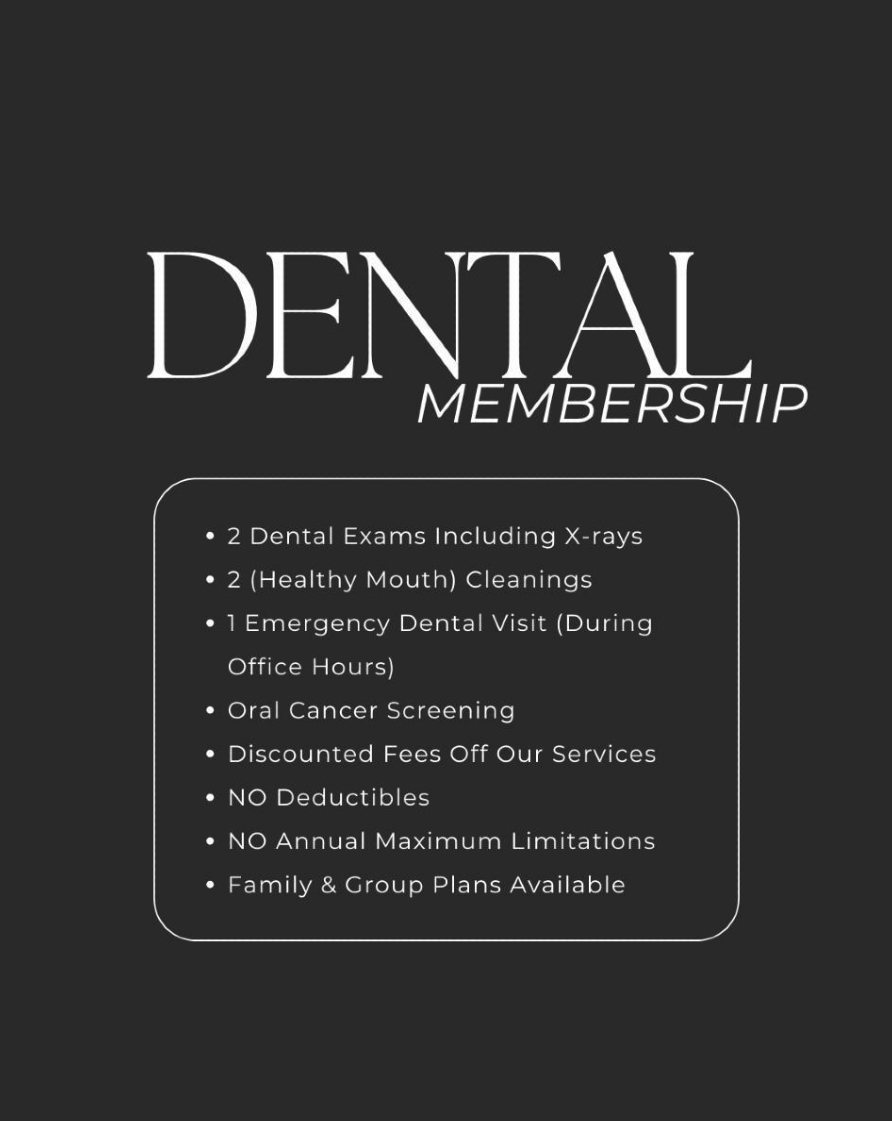
Looking for affordable dental plans in St. Louis?
We are excited to offer a membership plan for those patients who want to make Kirkwood Family Dental their home for dental care.
Cost and What Affects the Final Number
The cost of implant-supported dentures varies considerably and is influenced by several factors: the number of implants required, whether bone grafting is needed, the type of restoration chosen, and the materials used in the prosthetic. Removable overdentures are generally less expensive than fixed full-arch restorations because they require fewer implants and a less complex surgical approach.
Standard dental insurance plans often provide limited coverage for implant-related treatment — sometimes covering a portion of the diagnostic work or the prosthetic component, but not the surgical implant placement itself. Reviewing your specific plan and discussing insurance coordination with your dental office before treatment begins is always a worthwhile step. Many practices offer financing options to help patients manage the investment over time.
Practices like Kirkwood Family Dental, which offer comprehensive restorative care including implants and implant-supported denture solutions, incorporate a thorough financial discussion into the consultation process — so patients have a clear picture of the investment before committing to any path forward.
Caring for Your Implant-Supported Dentures
Long-term success depends on consistent, appropriate care, and what that looks like depends on the type of restoration.
Removable Overdentures
Overdentures should be removed for cleaning at least once daily. The prosthetic should be rinsed and brushed with a soft-bristle brush and a non-abrasive cleanser. The gum tissue and the implant attachment points should also be gently cleaned each day to prevent plaque accumulation, which can contribute to a condition called peri-implantitis — inflammation around the implant that, if left unaddressed, can compromise the surrounding bone.
Fixed Restorations
Fixed dentures are cleaned in place. Patients brush twice daily, paying careful attention to the margins between the prosthetic and gum tissue. Water flossers and interdental brushes are often recommended for cleaning around implants effectively. Your dental team will demonstrate the techniques best suited to your specific restoration.
Professional Maintenance
Regardless of the restoration type, routine professional maintenance is essential. Your dental team will monitor gum and bone health around each implant, check the integrity of the prosthetic and attachments, and make any necessary adjustments. Most patients are seen every six months, though individual circumstances may call for a different schedule.
Implant-Supported Dentures vs. Traditional Dentures
Traditional dentures offer a more accessible starting point in terms of cost and timeline. They do not require surgery and can typically be fabricated in a matter of weeks. For patients who are not surgical candidates or who face significant cost constraints, they remain a reasonable option for restoring basic function and appearance.
Implant-supported dentures require a larger investment of both time and resources, but they address many of the core limitations of their traditional counterparts. They preserve jawbone structure over the long term, provide stable function that does not rely on adhesive or gum suction, and deliver a quality of daily life that most patients describe as significantly improved. Eating is more comfortable and varied. Speaking is more natural. The ongoing maintenance demands — no nightly soaking, no adhesive purchasing, no periodic relining due to jaw changes — are genuinely reduced once the process is complete and healing is behind you.
The best choice for any individual depends on their oral health, overall health, lifestyle goals, and financial circumstances — and is best worked through with a dental team that takes time to understand your priorities and presents options without pressure.


At Kirkwood Family Dental, our expert team uses the latest techniques to transform your smile. See more before and after photos of smile makeovers. Contact us today to learn how we can help you experience a transformation firsthand.
A Final Word
Implant-supported dentures represent one of the most significant advances in restorative dentistry available to patients today. The process requires a meaningful commitment of time and resources, and it is not the right solution for every individual. But for patients who are good candidates and complete treatment successfully, the result is a stable, functional, natural-looking restoration built to last, and for most, a genuinely meaningful improvement in daily confidence, comfort, and quality of life.
If you are considering this option, the most important first step is a thorough consultation with a dental team experienced in implant-based restorations. A careful evaluation of your oral health, bone structure, and overall medical history is the foundation of any successful treatment plan. Going into that consultation with a clear understanding of the timeline, the stages, the investment, and what to expect on the other side puts you in the best position to make a confident, well-informed decision about your care.
Ready to upgrade your smile?
Contact our office today to schedule a no-pressure exam. We can’t wait to meet you!

FAQs: Implant Supported Dentures
How long does the full process take?
Treatment timelines vary by individual, but most patients should plan for six months to a year from initial consultation to final restoration. The longest phase is typically osseointegration — the period during which implants fuse with the jawbone — rather than the surgical appointments themselves.
Is the implant placement procedure painful?
The procedure is performed under local anesthesia, so patients do not feel pain during surgery. Some soreness and swelling in the days following are normal and typically manageable with over-the-counter medication. Many patients find recovery is less uncomfortable than they anticipated.
What if I have significant bone loss — am I still a candidate?
Many patients with bone loss remain viable candidates. Bone grafting can rebuild the volume and density needed to support implant placement, and this pathway is more commonly pursued than many people expect. The extent of bone loss and whether grafting is appropriate will be assessed during the initial consultation.
How long do the implants themselves last?
The titanium implant posts are designed to be a permanent part of the jaw. What typically requires attention over time is the prosthetic component — the denture itself — which may need adjustment or replacement due to normal wear. Keeping up with professional maintenance appointments is the most important factor in extending the life of both the implant and the restoration.
Can I eat normally with implant-supported dentures?
For most patients with fixed restorations, the return to a varied diet is one of the most appreciated outcomes of treatment. During the osseointegration and healing phase, softer foods are recommended, but once the final restoration is in place, chewing ability improves significantly. Many patients find they are able to enjoy foods they had been avoiding for years before treatment.
Do implant-supported dentures look natural?
The prosthetic is custom-fabricated based on impressions or digital scans specific to the patient's mouth, which means color, shape, and proportion are matched to complement each individual's facial appearance. Most people interacting with a patient who has well-made implant-supported dentures will not be able to distinguish them from natural teeth.
What happens if an implant fails?
Implant failure occurs in a small percentage of cases. In many instances, the implant can be removed, the area allowed to heal, and a new one placed. Individual risk factors are discussed during the consultation so patients go into treatment with a clear and realistic picture.
Can I sleep with my implant-supported dentures in?
For fixed restorations, yes, they are never removed. For removable overdentures, most providers recommend removing them at night to allow gum tissue to rest and to facilitate thorough cleaning. Your dental team will give you specific guidance for your restoration type.
Work with the best dentists in St. Louis
Contact us today to schedule a comprehensive dental exam. We can’t wait to meet you!
Disclaimer
The information in this article is provided for general educational purposes only and does not constitute dental or medical advice. Dental implants treatment timelines, and clinical recommendations vary based on individual patient needs, case complexity, geographic location, and the specific practices and implant denture systems involved. The price ranges cited are general estimates for the St. Louis metropolitan area and should not be interpreted as quotes or guarantees. Insurance coverage, benefit maximums, and financing terms vary by plan and provider and are subject to change. Always consult with a licensed dental or orthodontic professional for an evaluation and personalized treatment recommendation before beginning any orthodontic treatment.
