


This article is for informational purposes only and is not a substitute for professional dental advice. Prices vary by practice, location, and individual case, so please consult your dentist for an estimate specific to your tooth.
Key Takeaways
Typical Range: Same-day crowns are made from zirconia or ceramic, which generally cost $1,200 to $3,000 per tooth depending on the material and the case.
Premium vs. Traditional: Some practices charge $200 to $500 more for a same-day crown than for a traditional one. Others price the two similarly.
What You Skip: A same-day crown does not need a temporary crown, which can add $100 to $300 to a traditional crown, and it does not need a second appointment.
Insurance: Same-day and traditional crowns use the same insurance code, so coverage is generally the same. Most plans pay about 50% after the deductible, up to the annual maximum.
Same-day crowns have changed how many patients approach crown treatment, and cost is usually one of the first questions that follows. Patients want to know whether the convenience of a single visit comes with a higher price, what the price includes, and how it compares with a traditional crown that is made in an outside dental laboratory.
This guide explains what same-day crowns generally cost, why the price can differ from one practice to the next, and how the cost compares with a traditional crown once every line item is counted. If you would like to understand the technology first, our guide to what a same-day crown is and how CEREC technology works covers the process step by step. For pricing across every crown type, including metal and porcelain-fused-to-metal options, see our full guide on how much crowns cost.
What Goes Into the Price of a Same-Day Crown
A same-day crown is a permanent crown that is scanned, designed, milled, and placed during one appointment. The price reflects several parts of that process.
The Crown Itself: The restoration is milled from a solid block of zirconia or ceramic. The material is the largest single factor in the price, and the next section breaks it down.
In-Office Technology: Same-day crowns, commonly made with CEREC technology, require a digital scanner, design software, and a milling unit inside the dental office. Practices that offer same-day crowns have made a significant equipment investment, and some build part of that cost into the crown fee.
Chairside Time: Because the design and milling happen in the office, the appointment generally lasts a few hours. The dental team's time during the scan, design, milling, finishing, and placement steps is part of the fee.
No Outside Laboratory Fee: Traditional crowns are fabricated by a dental laboratory, and that laboratory charges the practice for its work. A same-day crown is made in the office, so this separate fee does not apply. For some practices, this offsets part of the added cost of the in-office technology.
Same-Day Crown Cost by Material
Same-day crowns are typically made from one of two materials, zirconia or ceramic. Metal and porcelain-fused-to-metal crowns are generally made in a laboratory, so they are not part of a same-day price comparison.
Zirconia Crowns ($1,500 to $3,000): Zirconia is valued for its strength and is a common choice for molars and premolars that handle heavy chewing forces. It is biocompatible and can be shaded to blend with surrounding teeth.
All-Ceramic Crowns ($1,200 to $2,500): Ceramic materials are known for their translucency, which allows them to closely resemble natural enamel. Ceramic is often selected for front teeth, where appearance is the main consideration.
Together, these two materials account for the range of roughly $1,200 to $3,000 per tooth. Where a specific crown falls within that range depends on the material your dentist recommends, the location of the tooth, and the complexity of the case.
Costs That Can Apply to Either Type of Crown
Some costs are tied to the condition of your tooth rather than to the type of crown, so they appear on both same-day and traditional treatment plans.
Root Canal Treatment: A tooth with a deeply damaged or infected nerve may need a root canal before it is crowned. Root canals can add $800 to $1,500 to the total.
Core Buildup: When a tooth has lost a significant amount of structure, a buildup restores enough material to support the crown. A buildup can add $200 to $400.
Sedation: Patients who prefer sedation can add nitrous oxide at $50 to $100 per appointment, oral sedation at $200 to $400, or IV sedation at $400 to $600 or more. A same-day crown is completed in one appointment, so sedation is charged once instead of twice for many patients.
Adjustments and Follow-Ups: Minor adjustments are often included in the crown fee, while extensive modifications may carry an additional charge.
Insurance Coverage for Same-Day Crowns
Insurance generally treats a same-day crown the same way it treats a traditional crown. Both use the same restoration code, so the way the crown is made does not change how the claim is processed.
Most dental plans classify crowns as major restorative procedures. These plans typically pay about 50% of the approved fee after you have met your deductible. Two details affect what you pay out of pocket.
Approved Fee: Insurers pay based on their reasonable and customary fee for your area, which can be lower than the fee a practice charges. The percentage your plan pays applies to the approved fee, not necessarily to the full charge.
Annual Maximum: Most dental plans cap their yearly payments at $1,000 to $2,000 across all dental work. One crown can use a large share of that maximum, which affects coverage for any other treatment needed in the same benefit year.
Plans differ, and some do not cover crowns at all, so it is worth confirming your benefits before the appointment. Practices that offer same-day crowns can usually review your plan and explain what to expect.
If you do not have insurance, many practices offer in-house payment plans, third-party financing, or membership plans. Our crown pricing guide explains each of these payment options in more detail.
Cost Per Year and Long-Term Value
A crown is a long-lasting restoration, so the annual cost is often more informative than the upfront price. With proper care, a zirconia or ceramic crown generally lasts 10 to 15 years, and many last longer.
Dividing the price across those years gives a useful range. A $1,200 crown that lasts 15 years costs about $80 per year, and a $3,000 crown that lasts 10 years costs about $300 per year. This is the same $80 to $300 annual range that applies to crowns in general.
Same-day crowns are made from the same zirconia and ceramic materials used in laboratory-made crowns, so there is no expectation that a same-day crown will wear out sooner than a traditional one. Longevity depends on oral hygiene, bite forces, and regular dental checkups. Patients who grind or clench their teeth may benefit from a night guard, which protects both the crown and the surrounding teeth from excess wear.
The single-visit format can also reduce costs that do not appear on a dental bill. A traditional crown requires two trips to the office, while a same-day crown requires one. That means less time away from work or school, fewer arrangements for transportation or childcare, and no period of managing a temporary crown that can loosen or feel uncomfortable.


At Kirkwood Family Dental, we love to bring smiles back to life. Check out more before and after photos of smile makeovers and contact us today learn more about how we can help you improve or maintain your dental health.
What Can Raise or Lower Your Estimate
Two patients who both need a same-day crown can receive different estimates. The factors below explain most of the variation.
Geographic Location: Practices in larger metropolitan areas generally have higher operating costs, including rent and labor, and their fees reflect that.
Complexity of the Case: A tooth that needs a buildup, a root canal, or other preparatory work costs more than one that needs only the crown.
Dentist's Experience and Training: Specialized training in restorative or cosmetic dentistry may be reflected in the fee.
Number of Crowns: When several teeth need crowns, the treatment plan can sometimes be spread across appointments or benefit years to make the most of insurance coverage.

Ready to learn about same day crowns?
Schedule an appointment today to learn how we can help improve the overall health and appearance of your smile.
Is a Same-Day Crown Worth the Cost?
Whether a same-day crown is worth the cost depends on your priorities and on your tooth. When the price is the same as a traditional crown, the choice comes down to preference for fewer appointments. When a same-day premium applies, the question is whether a single visit, no temporary crown, and no wait are worth a difference that is often modest.
Same-day crowns tend to appeal most to patients with demanding schedules, long commutes, or limited flexibility for follow-up visits. They are also well suited to patients who prefer a digital scan to the putty-like material used for traditional impressions.
Not every tooth is a candidate for same-day treatment. Some cases call for the customization and material options available through a dental laboratory. Kirkwood Family Dental offers same-day crowns in St. Louis using the CEREC Primemill system, and a dentist can confirm during an exam which approach suits a particular tooth.
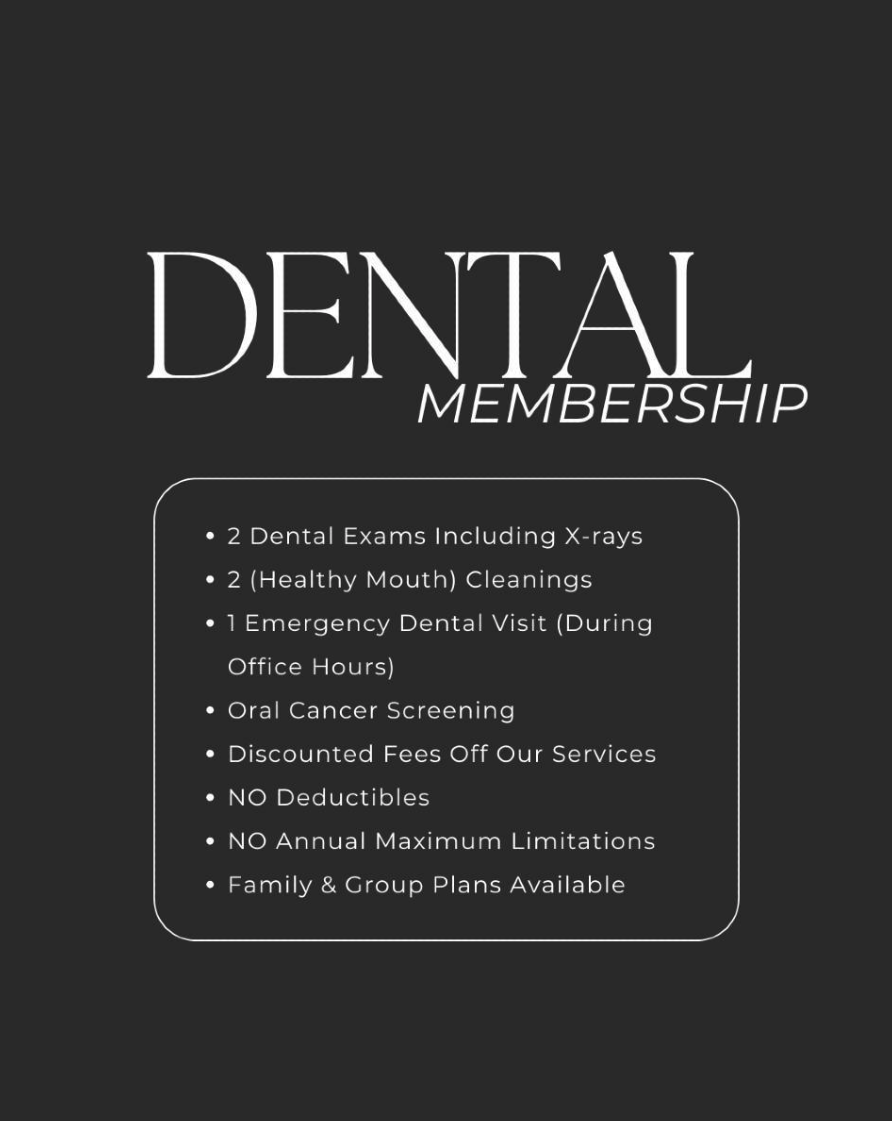
Looking for affordable dental plans in St. Louis?
We are excited to offer a membership plan for those patients who want to make Kirkwood Family Dental their home for dental care.
Questions to Ask Before Your Appointment
Asking specific questions helps you compare options accurately and avoid unexpected costs.
Is the crown fee for a same-day crown different from the fee for a traditional crown?
Does the estimate include everything, such as the buildup, any sedation, and the final placement?
Which material do you recommend for my tooth, and how does it affect the price?
How much will my insurance pay, and what will I owe after the deductible?
Are payment plans or financing options available?


At Kirkwood Family Dental, our expert team uses the latest techniques to transform your smile. See more before and after photos of smile makeovers. Contact us today to learn how we can help you experience a transformation firsthand.
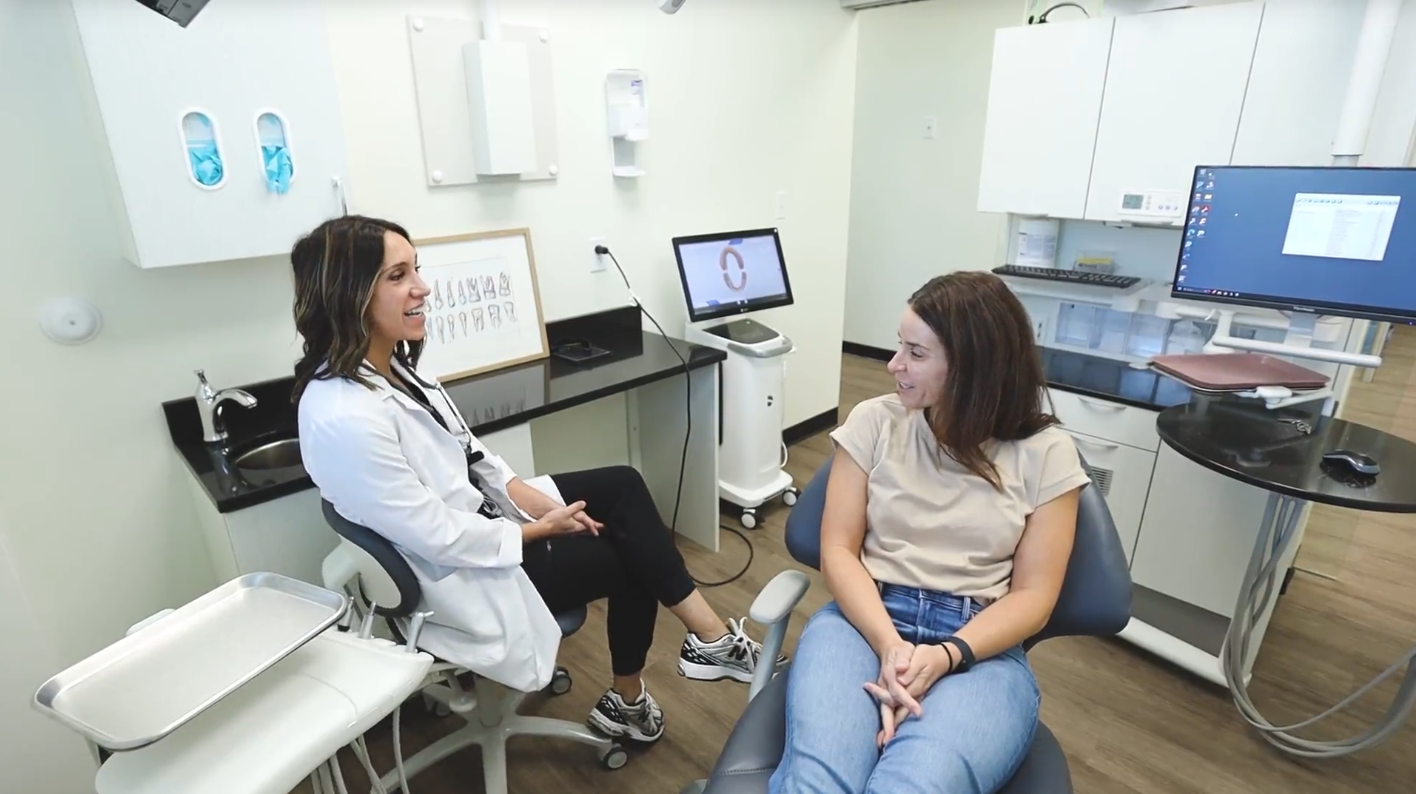
Ready to learn about same day crowns?
Contact our office today to schedule a no-pressure exam. We can’t wait to meet you!

FAQs About Same-Day Crown Costs
How much does a same-day crown cost?
Same-day crowns are made from zirconia or ceramic, which generally cost $1,200 to $3,000 per tooth. Zirconia typically falls between $1,500 and $3,000, and ceramic between $1,200 and $2,500. The final price depends on the material, the tooth, and the complexity of the case.
Is a same-day crown more expensive than a traditional crown?
It can be. Some practices charge $200 to $500 more for a same-day crown to account for in-office technology and chairside time. Other practices price the two options similarly, because a same-day crown has no outside laboratory fee.
Do I pay for a temporary crown with a same-day crown?
No. A same-day crown is permanent and is placed during the same appointment, so a temporary crown is not needed. A temporary crown can add $100 to $300 to a traditional crown when it is billed separately.
Does insurance cover same-day crowns?
Same-day crowns generally receive the same coverage as traditional crowns because both use the same insurance code. Most plans pay about 50% of the approved fee after the deductible, up to the annual maximum. Coverage varies by plan, so confirm your benefits before treatment.
Which costs more, a zirconia or a ceramic same-day crown?
Zirconia generally costs more, with a typical range of $1,500 to $3,000, compared with $1,200 to $2,500 for ceramic. Your dentist recommends a material based on the location of the tooth and the forces it handles, not only on cost.
Can I use an HSA or FSA to pay for a same-day crown?
Health Savings Account and Flexible Spending Account funds are pre-tax dollars and can generally be used for crown treatment. Confirm eligibility with your plan administrator.
How long does a same-day crown last?
With proper care, a same-day crown made from zirconia or ceramic can last 10 to 15 years or more, which is comparable to a traditional crown.
Can I get an estimate before treatment begins?
Yes. A dental team can examine your tooth, recommend a material, review your insurance coverage, and provide an estimate before any treatment starts. Asking for an itemized estimate makes it easier to compare same-day and traditional options.
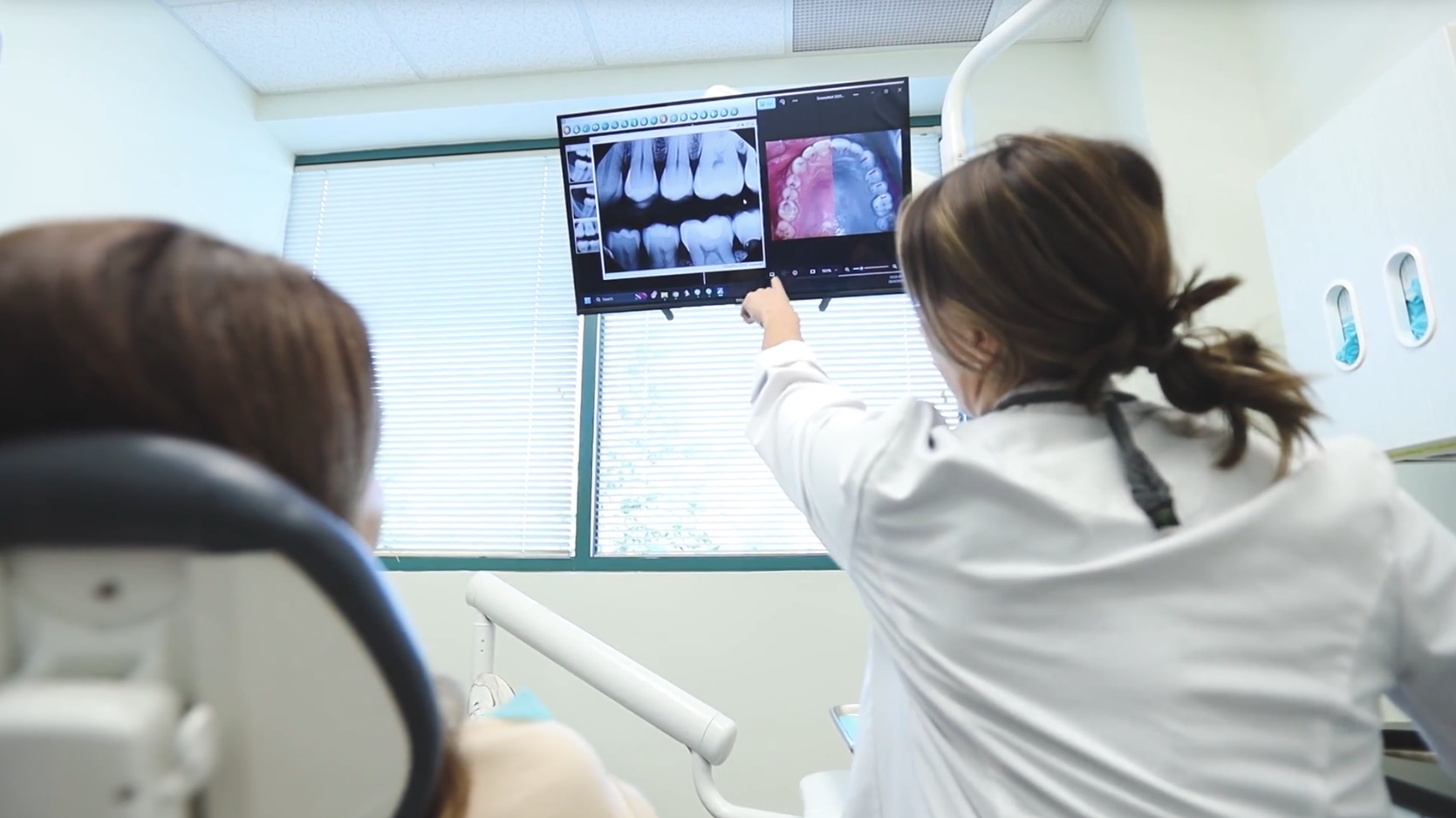
Work with the best dentists in St. Louis
Contact us today to schedule a comprehensive dental exam. We can’t wait to meet you!
Understanding Your Options
Same-day crowns pair a familiar restoration with a single-visit process, and the cost reflects both. To learn more about the process, read our guide on what a same-day crown is. To compare every crown material and price range, see our guide to how much crowns cost.
Disclaimer:
This article is for informational purposes only and should not be considered medical or dental advice. The costs, procedures, and information discussed may vary based on individual circumstances, geographic location, and specific dental practices. Always consult with a qualified dental professional for personalized advice regarding your specific dental needs and treatment options.
Dental treatment costs can vary significantly based on numerous factors including but not limited to: geographic location, complexity of treatment, materials used, individual patient needs, and insurance coverage. The price ranges provided are estimates based on general market information and should not be considered guaranteed pricing.
Same-day crown treatment depends on factors including the condition of the affected tooth, the patient's overall oral health, and the recommendation of the treating dentist. Not every patient or every tooth is a candidate for same-day crown treatment, and a traditional crown may be recommended in some cases.
Individual results may vary, and the longevity of dental work depends on many factors including oral hygiene, lifestyle habits, and regular dental care. This information does not replace professional dental consultation, examination, or diagnosis. If you have dental concerns or need treatment, please contact a qualified dental professional in your area.
